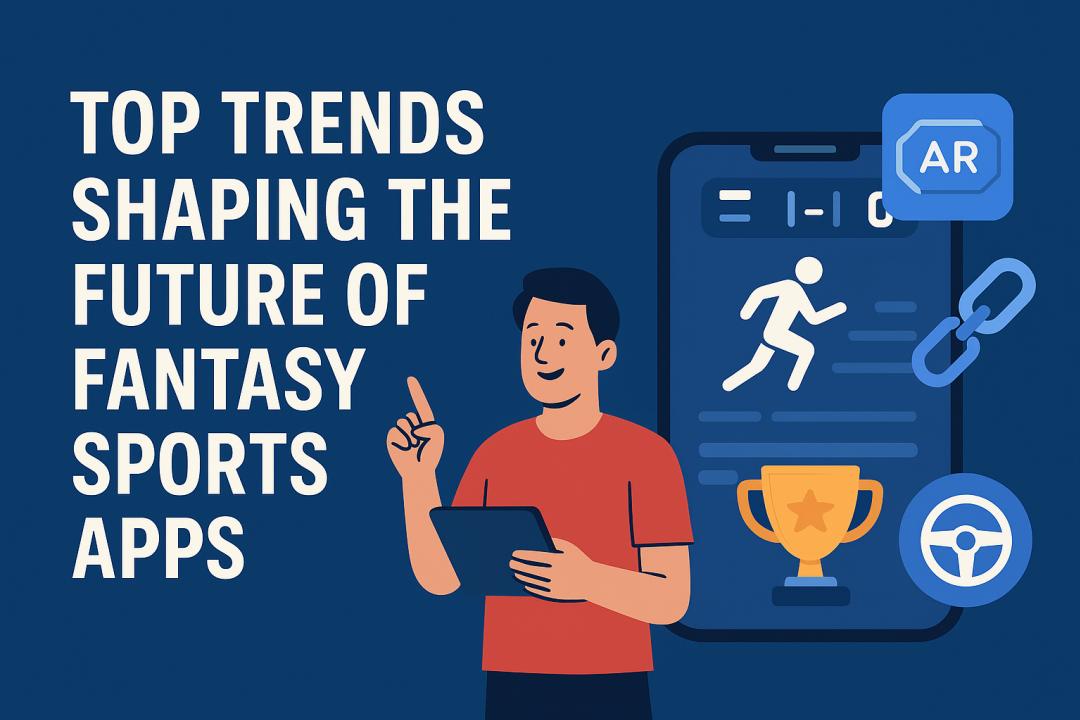
The fantasy sports industry has undergone tremendous transformation in the last decade. What started as a simple points-based engagement model has evolved into a multi-layered ecosystem powered by advanced technologies, intuitive user experiences, and immersive gameplay formats. As global sports viewership continues to grow, fantasy sports apps are becoming a dominant force, attracting millions of users each year.
Looking ahead, the future of fantasy sports lies in innovation. Developers, investors, and brands are constantly exploring new ways to enhance user engagement, improve fairness, and create long-term retention. Here are the top trends shaping the future of fantasy sports apps in 2025 and beyond.
1. AI-Driven Personalization & Predictive Analytics
Artificial intelligence is at the forefront of the next wave of fantasy sports innovation. AI-powered systems can analyze user behavior, team performance, match data, and player trends to deliver personalized suggestions.
For example, predictive analytics can help users make smarter selections by calculating player performance probabilities and matchup insights. AI-generated recommendations - such as ideal lineups, substitution suggestions, or match-specific strategies - offer users a competitive advantage.
This level of intelligent personalization not only increases user satisfaction but also boosts platform engagement and retention.
2. Augmented Reality (AR) for Immersive Experiences
One of the most exciting developments in fantasy sports apps is the integration of augmented reality. AR overlays can display real-time statistics, player cards, live match highlights, and fantasy scores on the user’s screen in a visually enriched format.
Imagine pointing your phone at your TV during a live game and instantly seeing fantasy points updated in augmented reality. AR can further enhance draft rooms, player comparison views, and leaderboard interactions.
As AR technology becomes more accessible, fantasy apps are expected to bring sports data to life in ways that were previously unimaginable.
3. Blockchain for Transparency & Fair Play
With increasing concerns about fairness, fraud prevention, and data ownership, blockchain is emerging as a game changer.
Blockchain enables secure, tamper-proof transactions and provides a transparent audit trail for scoring systems, contest results, and prize distribution. Smart contracts are revolutionizing fantasy sports contests by automating prize payouts without delay or manipulation.
Furthermore, blockchain-powered NFTs are creating new opportunities for digital player cards, rare collectibles, and ownership-based rewards. This can transform the economic ecosystem of fantasy sports apps, making them more open, transparent, and rewarding for users.
4. Micro-Fantasy and Instant-Play Formats
Traditional fantasy sports formats - season-long or match-long contests - are evolving to fit modern attention spans. Micro-fantasy is gaining massive traction, offering short-duration contests that last for a single over, quarter, inning, or even a few minutes.
These instant-play formats allow users to join multiple contests during a single match, increasing engagement and revenue potential. They also cater to casual users who may not want to commit to long-term leagues.
This shift toward quick, exciting gameplay keeps users active throughout the game rather than just before it.
5. Social Integration & Community-Driven Competitions
Fantasy sports have always been social, but modern platforms are taking them to the next level. Apps are now incorporating features like:
- Live chat rooms
- Private leagues for friends
- Voice chat during drafts
- User-created tournaments
- Reaction-based interactions
This social-first approach turns fantasy platforms into digital sports communities, increasing user loyalty and reducing churn.
Additionally, influencer-backed mini-leagues and creator-driven competitions are expected to become a massive trend in the coming years.
6. Gamification That Goes Beyond Points
Gamification is evolving from simple points and badges to full-fledged interactive environments. Modern fantasy apps are integrating:
- Daily challenges
- Achievement journeys
- Level-based progression
- Mystery rewards
- Spin-the-wheel bonuses
- Virtual trophies and collectibles
These features create a more rewarding ecosystem that motivates users to stay active beyond just matchdays. Gamification also provides new monetization opportunities through premium boosts, XP packs, and exclusive digital items.
7. Voice-Enabled Features & Smart Device Integration
Voice assistants like Google Assistant, Alexa, and Siri are becoming increasingly popular in the fantasy sports landscape.
Voice-enabled features allow users to:
- Check player stats
- Get lineup suggestions
- Join contests
- Receive injury alerts
- Monitor live scores
This hands-free experience is particularly useful for multitasking users and enhances accessibility for visually impaired fantasy players. Smart TVs and smartwatches are also being integrated, enabling users to interact with fantasy platforms across multiple screens.
8. Hyper-Personalized Rewards & Loyalty Ecosystems
Fantasy operators are realizing the importance of retaining users beyond a single season. As a result, loyalty-based engagement models are emerging, offering:
- Tiered memberships
- Personalized reward programs
- Real-world perks such as merchandise or match tickets
- Dynamic reward systems based on user behavior
The future of fantasy sports will involve a fusion of digital and real-world incentives, making the gaming experience more meaningful and rewarding.
9. Rise of White-Label & Customized Fantasy Platforms
Businesses and sports organizations are seeking faster market entry, leading to a significant rise in white-label fantasy solutions. These ready-made platforms enable brands to launch fantasy apps with custom features, branding, and sport variants.
Companies are partnering with a fantasy sports app development company to leverage their expertise in building scalable, secure, and feature-rich platforms. This trend will continue as more industries experiment with fantasy mechanics for fan engagement.
Conclusion
The future of fantasy sports apps is dynamic, immersive, and deeply influenced by technological evolution. AI, AR, blockchain, micro-fantasy formats, and social-centric features are reshaping how users play, compete, and connect with sports.
As user expectations grow, apps will need to provide personalized, transparent, and interactive experiences across devices and sports categories. Businesses and developers that embrace these trends early will be at the forefront of the next generation of fantasy sports innovation.