A high-performing B2C ecommerce website is more than just a digital storefront—it's a fast, intuitive, and conversion-optimized platform that attracts customers, engages them, and converts traffic into revenue. With online shopping becoming the default buying behavior, businesses must create ecommerce experiences that are fast, mobile-first, visually appealing, and personalized. Here is a complete guide to building a B2C ecommerce website that delivers results.
1. Start with the Right Ecommerce Platform
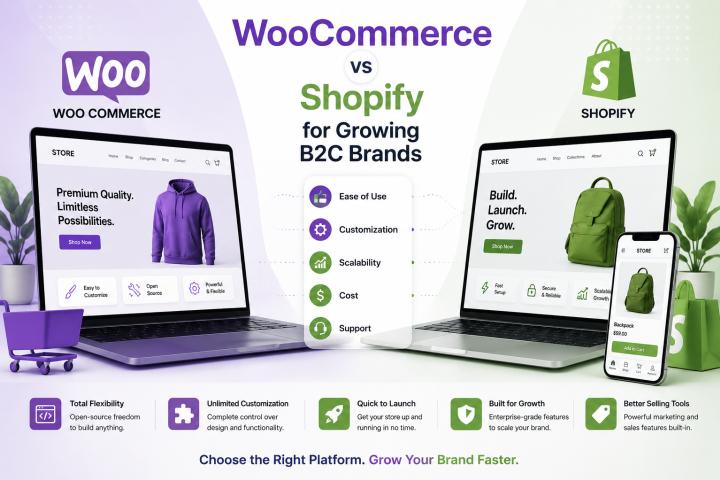
Choosing the right platform sets the foundation for performance, scalability, and cost. Popular options include Shopify development, WooCommerce, Magento, and custom-built solutions.
- Shopify: Best for startups and small retailers, quick to launch.
- WooCommerce: Flexible with strong customization for WordPress-based stores.
- Magento / Adobe Commerce: High scalability for enterprises.
- Custom Development: Ideal for unique workflows, marketplace features, or large-scale needs.
Ensure your platform supports fast loading, third-party integrations, mobile optimization, and smooth checkout.
2. Ensure a Clean & Conversion-Focused UI/UX
Your website design determines user engagement and purchase likelihood.
Key principles include:
- Minimalistic, clutter-free layout
- Clear product categorization
- High-quality images & videos
- Easy navigation with sticky menus and filters
- Prominent CTAs like “Buy Now” or “Add to Cart”
- Personalized recommendations
- Quick add-to-cart features
Every element should reduce friction and guide the user toward checkout.
3. Optimize for Mobile Commerce
More than 60% of ecommerce purchases now happen on mobile.
To build a high-performing B2C site:
- Use responsive design
- Optimize images for mobile
- Create mobile-first product pages
- Implement fast-loading AMP pages
- Offer mobile wallets (Apple Pay, Google Pay, UPI, etc.)
A seamless mobile experience directly boosts conversions.
4. Integrate Secure & Fast Payment Gateways
A slow or complicated payment process increases cart abandonment.
Ensure your website includes:
- Multi-currency support (if targeting global customers)
- Popular wallets & BNPL options
- One-click checkout
- PCI-DSS-certified gateways
- Fraud detection & encryption
The goal is to make checkout safe and effortless.
5. Build Robust Product Management
A high-performing B2C ecommerce website development needs an efficient backend to manage product catalogs, inventory, and pricing. Include:
- Advanced search with auto-suggestions
- Dynamic product filters
- Real-time stock status
- Variants for size, color, quantity
- AI-powered product recommendations
A well-structured catalog improves user experience and SEO.
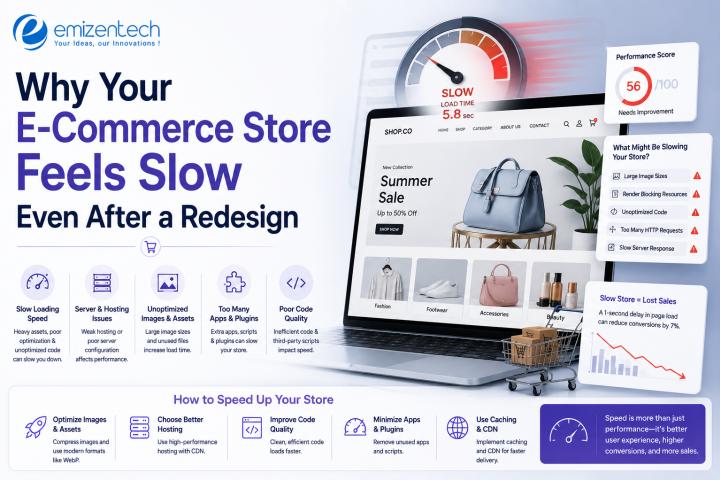
6. Speed Optimization (Performance is Everything)
Website speed is crucial—slow sites lose customers and rankings.
To optimize performance:
- Enable caching
- Compress images
- Use CDN
- Minimize plugins and scripts
- Optimize server response time
Aim for 2 seconds or faster page loading time.
7. Add Essential Ecommerce Features
A strong B2C website includes features that enhance customer satisfaction and retention.
Must-have features:
- User Registration & Guest Checkout
- Wishlist & Save for Later
- Product Reviews & Ratings
- Order Tracking
- Multi-language & Multi-currency
- Offers & Discount Engine
- AI Chatbots
- Loyalty Programs
These features create a more engaging shopping experience.
8. Implement Strong Security Measures
Security builds trust and protects customer data.
Your website should include:
- SSL certificate
- HTTPS everywhere
- Data encryption
- Two-factor authentication (if applicable)
- Regular vulnerability scans
- Secure admin access
Secure sites improve conversions and customer trust.
9. Add Marketing & SEO Capabilities
A high-performing B2C ecommerce website must bring traffic and convert it.
Include:
- SEO-friendly URLs
- Schema markup
- Blog section
- Social media integration
- Email marketing setup
- Analytics & user behavior tracking
Optimize product pages with keywords, descriptions, tags, and metadata.
10. Test, Launch & Continuously Optimize
Before going live:
- Perform usability testing
- Check for broken links
- Test checkout flow
- Validate mobile responsiveness
- Conduct speed tests
Post-launch, monitor analytics and optimize based on real user behavior.
Final Thoughts
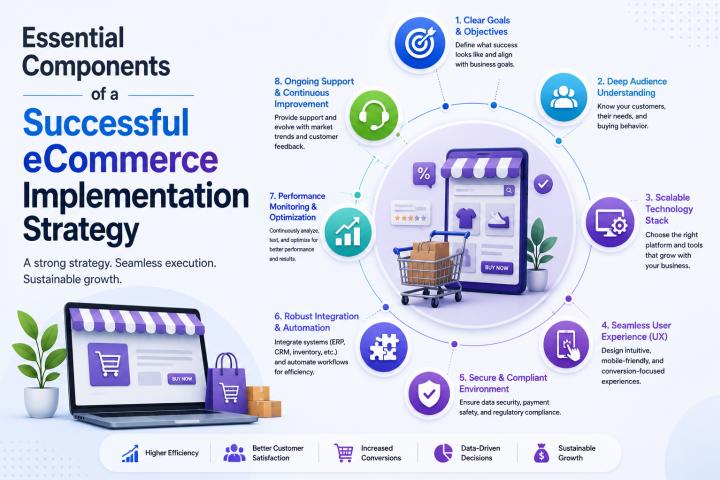
Building a high-performing B2C ecommerce website requires the right combination of platform, design, functionality, speed, security, and marketing. Whether you're a startup or an established retail brand, your e-commerce website development should reflect customer needs, adapt quickly to trends, and deliver seamless shopping experiences. If you invest in performance and personalization today, you gain a long-term competitive edge in the digital commerce landscape.