
I’ll admit it — I wasn’t expecting much when I first opened https://glorycasinomobile.com/. It was late, my coffee had gone cold, and I was tired of the usual online distractions. Yet, something about the interface — clean, intuitive, almost calming in its organization — drew me in. It wasn’t flashy or overbearing; it simply felt like a space designed to let the games breathe, and for a moment, I forgot I was staring at a screen. There’s a subtle charm in that kind of design — one that whispers possibilities rather than shouting them.
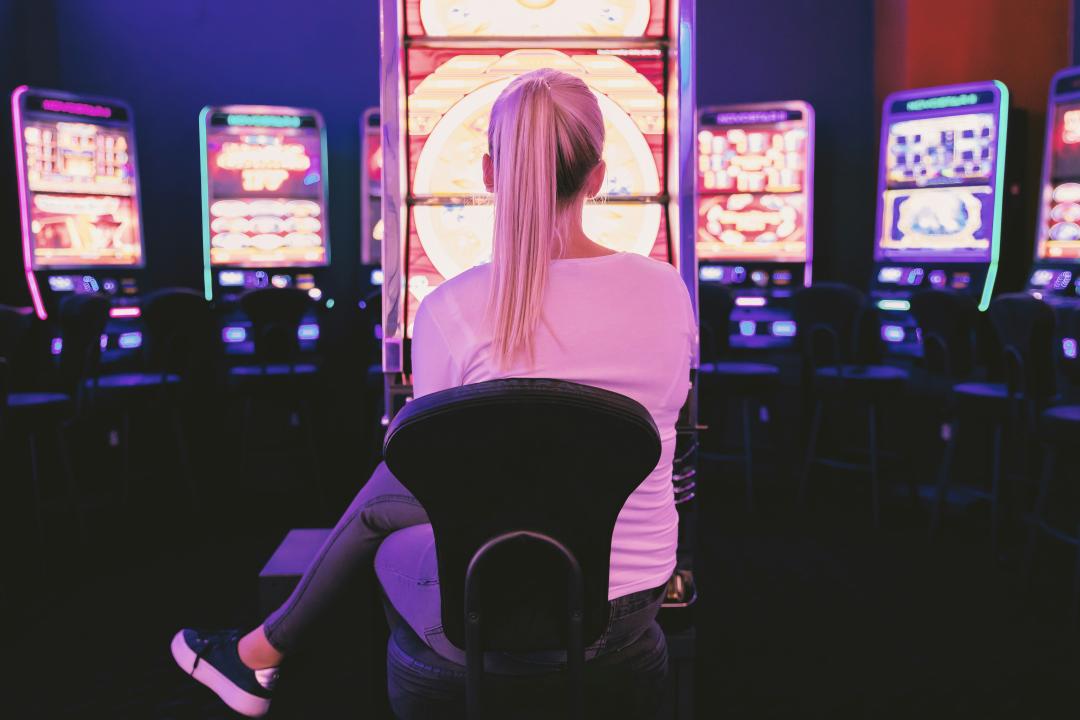
My journey started predictably with slots — it’s a safe place to ease in, after all. I found myself navigating from simple three-reel classics to the more elaborate video slots, each one layered with features that demanded attention. The mix of suspense and reward was addictive — not the money, necessarily, but the pattern recognition, the small dopamine hits from near-misses, the thrill when the reels aligned in my favor. I caught myself chuckling at my own reactions — an almost childlike excitement for something I knew was designed to be unpredictable.
Table games offered a different rhythm — slower, more deliberate. Blackjack required strategy, patience, and a bit of intuition. Every hand was a puzzle, every decision weighted with small stakes and the ever-present hum of possibility. Roulette was hypnotic — the ball spinning, bouncing, teasing with its uncertain landing. Poker, meanwhile, was an entirely different beast. It wasn’t just about cards; it was about reading the table, predicting moves, understanding psychology. I realized quickly that the challenge was not only external but internal — keeping my impulses in check, tempering excitement, and avoiding the familiar trap of chasing losses.
Live dealer games added a dimension I hadn’t anticipated. Seeing an actual person run the table — their gestures, their smiles, the subtle cues of engagement — made the experience feel alive. It’s strange how human presence, even through a screen, can heighten the stakes. Wins felt more vivid, losses stung slightly deeper, and the ebb and flow of the game became almost cinematic. I noticed my own reactions shifting, a slight lean forward, a quiet laugh at a dealer’s playful comment, the thrill of interaction that went beyond mere chance.
Bonuses and promotions — often a point of skepticism for me — were handled gracefully. They didn’t scream for attention or overwhelm; instead, they were integrated into the experience, nudging me to explore games I might not have tried otherwise. The small rewards felt like incentives rather than manipulations, subtle encouragements to experiment, to take risks within a controlled framework. I found it fascinating — the way design and psychology intersected, not just in gameplay but in engagement strategies.
Mobile usability was another pleasant surprise. I could slip into short sessions while waiting in line or during a brief pause in my day. Everything was responsive — bets placed precisely, animations smooth, transitions seamless. Even five minutes felt substantial. That portability brought an intimacy to the experience, a sense that the platform adapted to me rather than the other way around. I was noticing patterns not only in the games but in myself — my patience, my excitement, my tolerance for risk — all unfolding in real time.
Emotionally, the experience was unpredictable — small wins sparked delight, near-misses prompted frustration, and occasional losses forced reflection. I realized that gambling is more than just a pursuit of profit; it’s a lens into human behavior, a mirror reflecting our impulses, our hopes, our strategies, and, sometimes, our stubbornness. Observing my own reactions became as engaging as any jackpot — a continuous feedback loop that made me think, laugh, and occasionally groan at my own decisions.
There were moments of self-awareness, too — when I paused, reflecting on why a particular spin felt so satisfying, or why a loss lingered longer than expected. It’s easy to dismiss these as trivial, but in a subtle way, they are the essence of what makes the experience compelling. Every decision — to bet, to fold, to spin again — carried weight beyond the numbers on the screen. And that, perhaps, is the real draw of a well-designed casino platform — not the fleeting wins, but the engagement of mind, emotion, and intuition in a structured space of chance.
By the end of the evening, I hadn’t walked away a millionaire — far from it. And yet, I felt richer in other ways. I understood patterns, I recognized the interplay of design and psychology, and I experienced firsthand the subtle art of engagement that separates a thoughtful platform from a forgettable one. The thrill wasn’t in the currency; it was in the experience itself — the tension and release, the push and pull of probability and human behavior, and the quiet joy of observation.
Reflecting now, I see that my time on the platform was a microcosm of gambling at large — a dance of risk, reward, strategy, and emotion. It’s not about chasing fortune blindly; it’s about understanding the rhythm, appreciating the craft, and savoring the unpredictable journey. For anyone willing to look beyond the surface, there’s insight to be gained — not only into the games themselves but into ourselves. And in that sense, a night spent exploring a mobile casino isn’t just entertainment — it’s a study of chance, choice, and the small thrills that make it all fascinating.