It started one quiet evening — a curiosity-driven click on https://baocasinologin.org/ that I promised myself would be just a quick glance. I’ve spent years writing about iGaming, analyzing platforms, and reviewing user experiences, but nothing quite compares to immersing myself in the environment firsthand. There’s a subtle tension that digital gambling creates — the perfect blend of anticipation, design, and psychology — and I wanted to feel it, not just describe it.
From the moment I logged in, the interface spoke a language I had come to recognize over the years. It’s designed to feel welcoming — smooth navigation, intuitive layouts, and just enough visual flair to pull your attention without overwhelming it. I found myself pausing, sometimes longer than I expected, as small design choices guided me toward particular games or sections. It’s a curious mix — overtly inviting, yet quietly persuasive. I noted each hover effect, each animated button, each little pop-up — subtle nudges that influence behavior far more than most users realize.
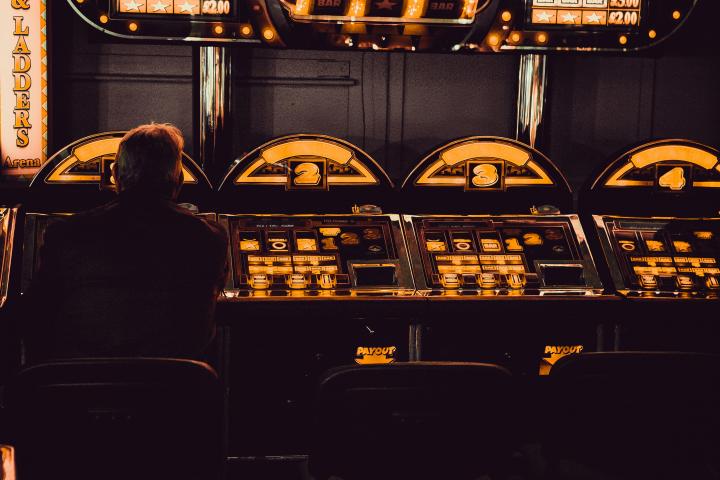
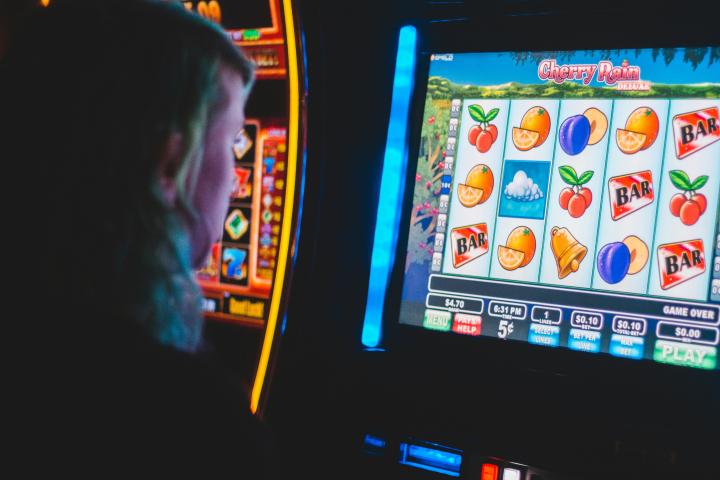
Slots are the first stop for almost any gambler, and for good reason. There’s a rhythm to them that’s almost musical — small wins peppered with near misses that keep you hooked. I spun a few rounds, testing both strategy and restraint. And yes, even with my analytical eye, I couldn’t deny the thrill of a lucky streak, the slight spike of adrenaline when symbols align just right. It’s fascinating — something so mechanical in essence can tap so deeply into human hope and expectation. There’s a reason slot designers spend months perfecting reward intervals and visual cues; even a seasoned reviewer like me isn’t immune to their subtle choreography.
Table games offer a different kind of engagement — more cerebral, yet equally compelling. Blackjack, roulette, and poker demand attention, strategy, and a willingness to embrace uncertainty. I paid attention to interface cues again — chip suggestions, visual highlights, subtle reminders that guide play without overtly telling you what to do. The balance here is delicate. The platform encourages confidence but also ensures the unpredictability that makes gambling exciting. I felt the familiar twinge of tension and anticipation, that quiet voice in my head debating each decision — a sensation that never quite leaves, no matter how many platforms you’ve experienced.
Promotions are a world unto themselves. Deposit bonuses, free spins, and loyalty rewards are framed to feel rewarding, yet they cleverly extend engagement. I explored these with a critical eye, tracking potential gains versus the effort required. It’s fascinating how anticipation is engineered — the way offers appear at precisely the moment attention might waver. And yet, I couldn’t help but appreciate the subtle artistry behind it. There’s a fine line between manipulation and incentive, and the best platforms walk it with elegance.
Security and reliability are often overlooked in discussions about gambling, yet they form the invisible backbone of the experience. From seamless login processes to secure deposits and withdrawals, the platform maintained a sense of ease and confidence. I tested transactions and account features — everything was smooth, unintrusive, and reassuring. This invisible safety net allows users to focus on the thrill without fear, reinforcing trust in the ecosystem.
Responsible gaming measures were present, understated but effective. Limits, reminders, and monitoring tools were accessible yet unobtrusive, allowing autonomy while promoting awareness. I experimented with these lightly, reflecting on their role. They serve as quiet checkpoints in an environment designed to engage, reminding players that even in pursuit of entertainment, self-regulation is crucial. These features underscore a responsible approach without diminishing the experience — a balance that’s harder to achieve than it looks.
Community features — chats, leaderboards, and achievements — add another dimension. They transform what might be a solitary experience into a subtly social one. I observed how recognition, ranking, and social comparisons influence engagement. Even as a reviewer, I found a sense of pride in completing challenges or climbing small virtual ladders. It’s a gentle, almost invisible motivator — a reminder that humans are social beings, even in digital spaces dominated by chance.
The underlying algorithms are the real puppet masters, orchestrating randomness and engagement. Random Number Generators, payout ratios, and behavioral analytics work seamlessly to maintain interest and sustain the thrill. Watching how perceived control, chance, and reward intertwine is both humbling and enlightening. It reinforces a key insight: modern iGaming is as much about psychology and design as it is about luck. The interplay of chance and engineered experience creates a world that is compelling, engaging, and sometimes a little addictive — in ways most players barely notice.
Reflecting on my session, I realize that the magic of online gambling extends far beyond games themselves. It’s an ecosystem where design, psychology, ethics, and strategy converge. Every decision, click, and moment of engagement is influenced by countless subtle cues — and recognizing them enhances appreciation for the craft. My experience was a mix of observation, analysis, and a genuine rush of excitement. The platform succeeds not simply through its games but through an orchestrated balance of design, anticipation, and user engagement.
By the end, my exploration felt like more than mere play. It was a study in behavior, perception, and the mechanics of engagement. I left with a deeper understanding of how digital gambling captivates attention, encourages interaction, and balances thrill with responsibility. For anyone intrigued by iGaming, stepping into this ecosystem firsthand — with curiosity and mindfulness — offers lessons not just about gaming, but about human behavior, expectation, and choice itself.