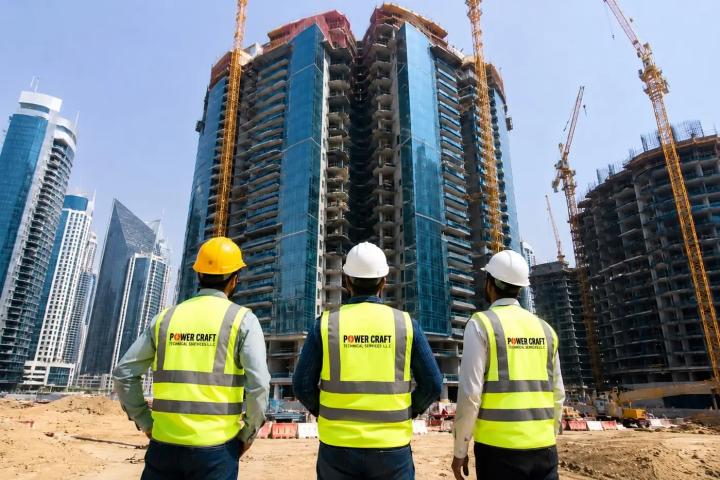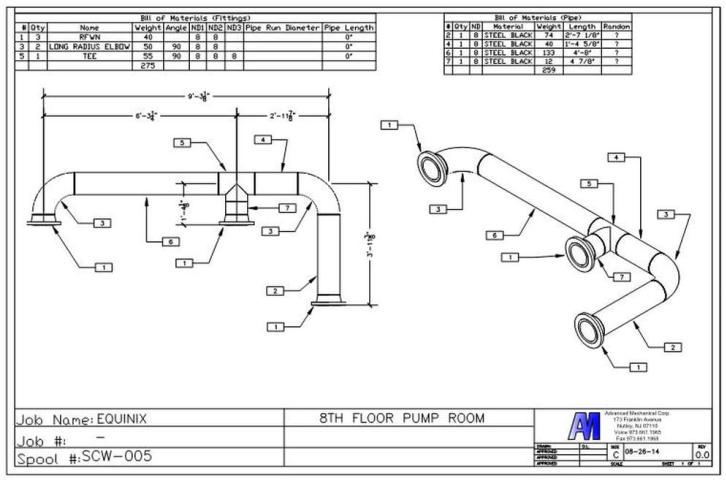

In today’s modern construction
environment, buildings are no longer just structures—they are complex, fully
integrated systems that must deliver comfort, safety, efficiency, and
sustainability. At the heart of this integration lies MEP contracting.
Yet for many people outside the construction industry, the term “MEP” still
feels technical and confusing.
So what exactly is MEP
contracting? Why are mechanical, electrical, and plumbing systems so
critical to a building’s success? And how does a professional MEP contractor
bring all these systems together?
In this blog, we demystify MEP
contracting by breaking down each system, explaining its purpose, and
revealing why expert MEP contracting services are essential for every
successful project.
What
Is MEP Contracting?
MEP contracting refers to the specialized field of construction responsible
for the design, installation, coordination, and maintenance of:
- Mechanical systems
- Electrical systems
- Plumbing systems
A professional MEP contractor
ensures that all three systems work together seamlessly to make a building
functional, safe, comfortable, and energy-efficient. Without proper MEP
engineering, even the most impressive architectural design cannot operate
effectively.
Today, leading MEP contracting companies are involved from the early design stage through construction,
testing, commissioning, and long-term maintenance.
Mechanical
Systems Explained (The “M” in MEP)
The mechanical system
controls air quality, temperature, and ventilation inside a building. It
directly affects occupant comfort, productivity, and health.
A professional mechanical MEP
contractor handles:
- HVAC (Heating, Ventilation & Air Conditioning)
systems
- Chillers and cooling towers
- Boilers and heating systems
- Ductwork and air distribution
- Exhaust and ventilation systems
- Smoke extraction and pressurization systems
Modern mechanical MEP services
focus heavily on energy efficiency, indoor air quality, and smart climate
control.
SEO Keywords Used: mechanical MEP contractor, HVAC MEP services, mechanical
systems installation
Electrical
Systems Explained (The “E” in MEP)
The electrical system is the
backbone of every modern building. It powers everything from lighting and
elevators to data networks and life safety systems.
A certified electrical MEP
contractor is responsible for:
- Power distribution systems
- Internal and external lighting
- Backup generators and UPS systems
- Fire alarm and detection systems
- Low-current systems (CCTV, access control, IT networks)
- Renewable energy integration (solar, EV chargers,
battery storage)
Proper electrical MEP
installation ensures uninterrupted operations, safety, and compliance with
strict regulatory standards.
SEO Keywords Used: electrical MEP contractor, MEP electrical services, power
distribution systems
Plumbing
Systems Explained (The “P” in MEP)
The plumbing system manages
water supply, drainage, sanitation, and gas systems inside a building. It is
vital for hygiene, safety, and daily operations.
A professional MEP plumbing
contractor handles:
- Potable water supply systems
- Drainage and sewage networks
- Rainwater and stormwater systems
- Gas piping systems
- Firefighting and sprinkler systems
- Water treatment and recycling systems
Smart plumbing MEP solutions
now focus on water conservation, pressure optimization, and leak detection
technologies.
SEO Keywords Used: plumbing MEP contractor, MEP plumbing services, water
supply and drainage systems
How
MEP Systems Work Together
While mechanical, electrical, and
plumbing systems are separate disciplines, they are deeply interconnected:
- HVAC systems rely on electrical power
- Firefighting systems depend on plumbing and
electrical controls
- Smart buildings integrate mechanical, electrical,
and IT systems into one automated platform
This is why a single, experienced MEP
contractor company is preferred over multiple uncoordinated vendors.
Integrated MEP contracting services ensure:
- Zero system clashes
- Faster execution
- Higher efficiency
- Better long-term reliability
The
Role of an MEP Contractor in Construction
A professional MEP contractor in
construction projects is responsible for:
- MEP design and engineering coordination
- Load calculations and system sizing
- BIM-based MEP shop drawings
- Installation and site execution
- Testing, commissioning, and system balancing
- Preventive and corrective maintenance
The MEP scope impacts project
cost, timeline, safety compliance, and building performance more than any other
technical discipline.
Why
MEP Contracting Is So Critical
Here’s why MEP contracting
plays a decisive role in every construction project:
✅
1. Operational Efficiency
Efficient MEP systems reduce energy
consumption and operational costs.
✅
2. Occupant Comfort & Safety
Thermal comfort, air quality,
lighting, and water hygiene all depend on MEP performance.
✅
3. Regulatory & Fire Safety Compliance
Fire detection, firefighting,
emergency lighting, and alarm systems come under MEP.
✅
4. Sustainability & Green Building Certification
Energy-efficient HVAC, smart
lighting, and water-saving plumbing define green buildings.
✅
5. Asset Value & Long-Term ROI
High-quality MEP systems increase
property value and reduce maintenance expenses.
Industries
That Depend on MEP Contractors
Professional MEP contracting
companies serve a wide range of industries, including:
- Residential towers & gated communities
- Commercial offices & business parks
- Hospitals & healthcare facilities
- Hotels & hospitality developments
- Industrial plants & factories
- Data centers & IT infrastructure
- Airports & transport terminals
Each of these sectors requires
tailored MEP engineering solutions for safety, scale, and performance.
Choosing
the Right MEP Contracting Company
To get the best results from your MEP
systems, always choose an MEP contractor company that offers:
- Proven project experience
- Certified mechanical & electrical engineers
- In-house MEP design & BIM coordination
- Strong safety and quality standards
- Reliable after-sales maintenance support
The right MEP contracting partner
ensures your project runs smoothly from design to handover and beyond.
Final
Thoughts
Understanding MEP contracting
doesn’t have to be complicated. At its core, it is the science of making
buildings functional, safe, efficient, and comfortable through expertly
integrated mechanical, electrical, and plumbing systems.
A skilled MEP contractor
transforms empty structures into fully operational living and working spaces.
From HVAC and electrical power to water supply and fire protection, MEP
services define how well a building truly performs.
Whether you are developing a
residential project, commercial building, industrial plant, or data center,
investing in professional MEP contracting services is one of the most
critical decisions for long-term success.