The insurance sector in India has grown rapidly over the last decade, with millions of people now relying on insurance for financial protection. But with growth comes responsibility. Customers expect transparent processes, trustworthy insurers and fair claim settlement. This is exactly where IRDAI What is IRDAI, the Insurance Regulatory and Development Authority of India, plays a crucial role.
IRDAI acts as the watchdog of the Indian insurance industry. It ensures that insurance companies work fairly, follow rules, treat customers ethically and operate in a financially sound manner. Whether you are a policyholder, aspiring insurance agent or industry professional, understanding IRDAI is essential.
In this detailed, easy-to-read guide, we explain what IRDAI is, its key roles, functions, and why it is important in the insurance ecosystem - using the EEAT (Experience-Expertise-Authority-Trustworthiness) writing approach.
What is IRDAI?
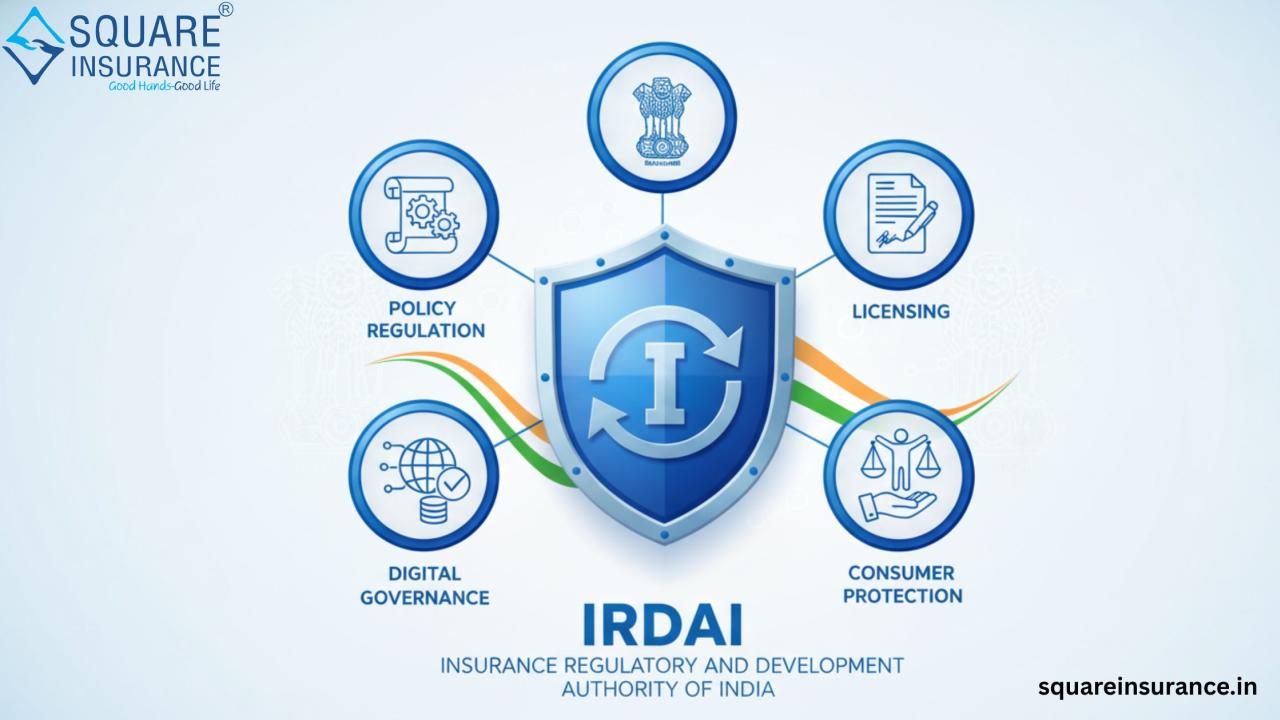
The Insurance Regulatory and Development Authority of India (IRDAI) is the apex body responsible for regulating, promoting and ensuring the orderly growth of the insurance sector in India.
It was established under the IRDA Act, 1999, initially as an autonomous regulatory body. Later, it became a statutory body under the Insurance Laws (Amendment) Act, 2015.
In simple words, IRDAI protects the interests of insurance policyholders while ensuring insurance companies operate safely and professionally.
Why was IRDAI formed?
Before IRDAI, the insurance industry was largely unregulated, and private insurers had limited participation. There was a need for:
- A dedicated authority to regulate insurers
- Standardisation of rules and policies
- Protection of policyholders’ interests
- Encouragement of fair competition
- Opening the market for private players
IRDAI was formed to fulfil these needs and to bring transparency, accountability and growth to the sector.
Objectives of IRDAI
The primary objectives of IRDAI include:
- Protecting policyholders’ interests
- Ensuring fair treatment and ethical practices
- Regulating insurance companies & intermediaries
- Promoting healthy competition
- Maintaining financial stability in the insurance ecosystem
- Encouraging insurance penetration in India
- Ensuring claim settlements are quick and fair
These objectives guide all policies, circulars, guidelines and reforms introduced by IRDAI.
Key Functions of IRDAI
IRDAI performs several regulatory and developmental functions to ensure the smooth functioning of India’s insurance market. Here are the major ones:
1. Issuing Licenses to Insurers & Intermediaries
IRDAI is responsible for granting licences to:
- Life insurance companies
- General insurance companies
- Health insurers
- Insurance intermediaries (POSPs, brokers, corporate agents, surveyors, TPAs)
No company or intermediary can operate without IRDAI approval.
2. Frame Regulations & Guidelines
IRDAI sets rules for:
- Insurance products
- Pricing structure
- Claim processes
- Grievance redressal
- Solvency margins
- Investment norms
- Agent and distributor guidelines
These regulations ensure consistency and fairness in the industry.
3. Monitoring Insurers & Ensuring Compliance
To protect customers, IRDAI actively monitors:
- Financial health of insurers
- Claim settlement ratios
- Customer service quality
- Business practices
- Operational risks
Insurers failing to comply face penalties, fines or licence cancellations.
4. Ensuring Fair Treatment of Policyholders
IRDAI ensures that policyholders:
- Understand what they are buying
- Get transparent policy documents
- Receive help in case of mis-selling
- Experience smooth claim processes
- Have access to grievance redressal systems
This strengthens trust between consumers and insurers.
5. Regulating Insurance Products
Insurance companies cannot launch a product without IRDAI approval.
IRDAI evaluates:
- Product structure
- Premium pricing
- Inclusions & exclusions
- Customer suitability
- Market competitiveness
This ensures customers receive safe, beneficial and reasonably-priced policies.
6. Promoting Insurance Awareness
IRDAI conducts public awareness campaigns on:
- Importance of insurance
- How to read policy documents
- Fraud protection
- Benefits of health, life and motor insurance
The goal is to increase insurance penetration across India.
7. Overseeing Claims Management
IRDAI sets strict rules to ensure that claims are:
- Processed quickly
- Resolved fairly
- Not rejected without valid reasons
- Supported by transparent communication
The Authority also monitors claim settlement ratios to ensure customer protection.
8. Protecting the Interest of Vulnerable Customers
IRDAI ensures:
- No discriminatory pricing
- Special products for rural & low-income groups
- Simplified policies for easy understanding
- Protection against mis-selling
This supports inclusive growth of insurance in India.
The Role of IRDAI in the Indian Insurance Sector
IRDAI has multiple roles—regulator, supervisor, developer and protector. Here's a breakdown:
1. Regulatory Role
The regulatory role includes:
- Setting industry standards
- Monitoring insurance companies
- Ensuring compliance with laws
- Issuing licences
This creates a strong and stable insurance environment.
2. Protective Role
IRDAI protects policyholders by:
- Enforcing transparency
- Ensuring fair claim settlement
- Taking action against fraud or mis-selling
- Running consumer grievance channels like IGMS
3. Developmental Role
IRDAI develops the insurance sector by:
- Supporting digital insurance adoption
- Encouraging new products
- Promoting competition
- Making insurance accessible in rural areas
4. Supervisory Role
IRDAI supervises:
- Financial stability of insurers
- Capital adequacy
- Governance practices
- Risk management systems
This ensures long-term stability of the industry.
Importance of IRDAI in the Insurance Industry
IRDAI is crucial for both insurers and policyholders. Here’s why:
1. Builds Trust & Credibility
With IRDAI’s strict regulations, customers feel confident that:
- Policies are genuine
- Companies are accountable
- Claims won’t be unfairly denied
2. Ensures Financial Stability
By enforcing solvency margins and monitoring financial health, IRDAI ensures insurers can meet their claim commitments.
3. Prevents Mis-Selling
IRDAI’s guidelines ensure insurance agents and distributors sell policies ethically and transparently.
4. Supports Digital Insurance Growth
IRDAI promotes innovations like:
- e-KYC
- Online policy purchase
- Cashless health networks
- Instant policy issuance
5. Encourages Competition & Better Products
With more players in the market, insurers offer:
- Lower premium rates
- Better coverage
- Improved customer service
6. Strengthens Claim Settlement
IRDAI enforces timelines and processes to make claim settlement fast, fair and hassle-free.
Conclusion
IRDAI is the backbone of India’s insurance sector. It maintains a balance between safeguarding customers and ensuring the industry grows efficiently. Whether you are buying health insurance, car insurance, life insurance or any other policy, IRDAI ensures the product is safe, transparent and trustworthy.
In a rapidly evolving insurance market, IRDAI continues to play a vital role in promoting financial protection for millions of Indians.
Frequently Asked Questions.
Q.1. What is the full form of IRDAI?
The full form of IRDAI is Insurance Regulatory and Development Authority of India. It is the apex regulatory body that oversees the Indian insurance sector.
Q.2. What is the main purpose of IRDAI?
IRDAI’s main purpose is to regulate insurance companies, protect policyholders’ interests, and ensure fair, transparent and ethical practices within the insurance industry.
Q.3. When was IRDAI established?
IRDAI was established in 1999 under the IRDA Act, 1999 and later became a statutory body under the Insurance Laws (Amendment) Act, 2015.
Q.4. Does IRDAI approve insurance products?
Yes. Insurance companies cannot launch any product without IRDAI’s approval. IRDAI evaluates the product’s structure, pricing and suitability for customers.
Q.5. What is IGMS in insurance?
IGMS stands for Integrated Grievance Management System, an online platform created by IRDAI for customers to file, track and escalate complaints against insurers.