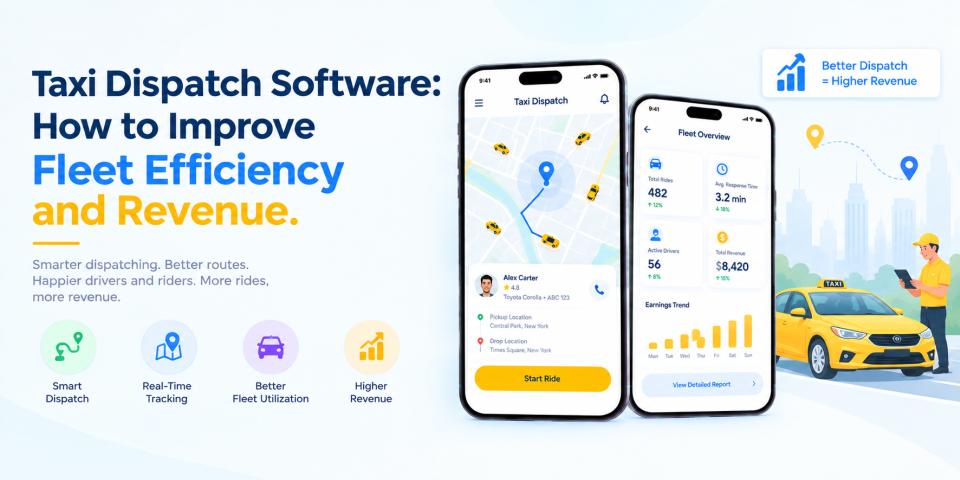

Technology has completely transformed the transportation industry, and at the center of this evolution stands modern taxi app development. From user-friendly interfaces to automation-driven processes, taxi apps have made commuting faster, more transparent, and more convenient than ever. Businesses aiming to enter this competitive market must understand that users today expect more than just basic ride-booking features; they demand speed, security, personalization, and seamless usability.
Whether you are a startup, an entrepreneur, or an established transport operator planning to expand digitally, developing a feature-rich app is essential. Modern platforms are not just booking systems—they are advanced digital ecosystems built with innovation, smart routing, real-time tracking, and analytics. With Taxi booking app development now becoming a core component of successful mobility solutions, businesses must implement features that create value and encourage long-term user retention.
Below is a deep dive into the key features needed to build a cutting-edge taxi application that delivers exceptional performance and user satisfaction.
1. Easy Registration & Authentication
The user journey begins with a simple and secure onboarding process. Offering flexible registration options such as phone number OTP, email, and social login (Google and Facebook) makes the signup frictionless.
Modern apps focus heavily on multi-layer authentication to ensure safety. Features like two-step verification and device detection alerts build trust, especially for new users.
Simple, fast, and secure onboarding sets the tone for a positive user experience.
2. Real-Time Ride Booking
Instant ride booking is the heart of every taxi app. When users open the application, they expect fast results—real-time driver availability, instant ride suggestions, and accurate fare estimates.
In modern on-demand app development, real-time booking technology uses GPS, mapping APIs, and geolocation data to ensure accurate pickup and drop-off suggestions.
Additional enhancements may include:
- Smart auto-suggestions for frequent routes
- One-tap booking options
- Recent ride history for quick rebooking
These features allow users to save time and book rides effortlessly.
3. Advanced GPS & Live Tracking
Live location tracking is one of the most crucial features of taxi apps. It ensures driver authenticity, enhances user confidence, and provides accurate journey insights.
Today’s taxi apps integrate intelligent mapping technologies like Google Maps, Mapbox, or OpenStreetMap to deliver:
- Real-time driver movements
- Optimal route suggestions
- Live distance and ETA updates
- Alerts for delays or route changes
GPS tracking for both users and drivers improves transparency and strengthens the overall service experience.
4. Multiple Payment Methods
Modern digital users prefer flexibility, and taxi apps must accommodate diverse payment preferences.
Essential options include:
- Credit/debit cards
- UPI
- Wallets (Paytm, PhonePe, Google Pa
- Net banking
- Cash payments
Many taxi businesses also integrate in-app wallets for faster transactions and loyalty rewards. Offering secure, encrypted payment gateways is key to preventing fraud and ensuring user trust.
5. Accurate Fare Estimation
Before confirming a ride, users expect clear and transparent pricing. A good taxi app uses algorithms that calculate fares based on:
- Distance
- Estimated travel time
- Real-time traffic data
- Surge pricing rules
- Vehicle type
Fare transparency helps users make informed decisions and reduces conflicts between drivers and customers.
This feature is especially important for scaling the business and maintaining credibility.
6. Driver Profile & Verification
Safety is one of the top concerns for passengers. That’s why every taxi app must include complete driver profile details such as:
- Driver name and photo
- Vehicle information
- Ratings and reviews
- License and ID verification
Businesses should ensure drivers undergo proper background checks before approval.
Verified and reliable drivers help build a strong brand image and user loyalty.
7. Seamless Communication & Chat Support
Users appreciate quick and hassle-free communication. Integrating features like:
- In-app chat
- Secure mask calling
- Automated messages
- Real-time updates
ensures smoother interaction between drivers and riders. Masked calling protects the privacy of both parties by hiding their real phone numbers.
This feature enhances the user experience while maintaining strict privacy standards.
8. Push Notifications & Alerts
A modern taxi app must keep users informed throughout the journey. Push notifications provide instant updates for:
- Driver arrival
- Ride status
- Payment confirmations
- Promotional offers
- Cancellation messages
With smart notification personalization, businesses can increase user engagement and encourage repeat bookings.
9. Ride Scheduling for Future Travel
Pre-booking is a valuable feature for users who want to plan ahead. Whether it’s airport travel or daily office commute, future booking gives users more control and convenience.
Modern taxi apps also include reminders and automated driver assignment to ensure the ride begins on time.
10. Ratings, Reviews & Feedback System
Feedback is essential for maintaining quality standards. After completing a ride, both the driver and the user should be able to rate each other.
This system helps taxi companies:
- Identify top-performing drivers
- Address service complaints
- Improve app experience
- Maintain professional standards
Transparent feedback builds accountability and encourages better service delivery.
11. SOS & Emergency Support System
Safety remains one of the most critical aspects of taxi apps. Integrating SOS (panic button) and emergency assistance ensures users feel protected. With one tap, users can notify:
- Local authorities
- Emergency contacts
- The company’s safety team
Real-time location sharing during emergencies further enhances safety.
12. Smart Admin Panel & Analytics Dashboard
To manage operations efficiently, taxi businesses need an advanced admin dashboard. It helps track operations in real time and includes features such as:Driver reports
- Daily ride analytics
- Revenue tracking
- Dynamic pricing management
- User activity monitoring
With powerful analytics, businesses can optimize fleet operations, improve customer service, and drive long-term growth.
13. Loyalty Rewards & Promo Codes
To attract more users and retain existing ones, taxi apps often integrate loyalty systems. Businesses can offer:Wallet cashback
- Discount coupons
- Referral rewards
- Special promo codes
These incentives encourage users to book more frequently and help build brand loyalty.
14. Offline Booking & Low-Connectivity Mode
In many regions, users experience poor network connectivity. Modern apps are now built with offline capabilities where:
- Drivers can accept rides in low signal areas
- App data is stored locally during disconnection
- Users can view essential features without full connectivity
This ensures uninterrupted service and better accessibility.
Conclusion
Taxi app development has evolved beyond simple ride booking. Today’s users expect intuitive design, faster performance, transparent pricing, real-time tracking, and advanced safety features. As the demand for mobility solutions grows, businesses investing in Taxi booking app development or entering the market through on-demand app development must incorporate cutting-edge features that elevate user experience.
Modern taxi apps are not just transportation tools—they are smart digital solutions built to streamline operations, enhance safety, and deliver a seamless travel experience. By integrating the essential features outlined above, businesses can build a powerful taxi app that stands out in the competitive market and ensures long-term growth.