If your internet has ever cut out at the worst time right before an important meeting, during a live class, or while streaming then you know how stressful that can be. In today’s connected world, even a brief interruption can disrupt your whole routine. That’s why more people are looking for ways to get emergency WiFi, temporary internet access, and reliable backup internet that keeps them online when their main provider fails.
But what options do you have when your home network suddenly drops? How can you find urgent WiFi without relying on your primary connection? And which internet outage solutions should you consider?
This guide breaks everything down in a friendly and practical way, no tech jargon, no complicated explanations. Just straightforward solutions that help you stay connected when it’s most important.
Why You Need an Emergency Wi-Fi Plan (Even If You Think You Don’t)
Let’s face it: most of us only think about emergency internet after an outage occurs. And by that point, it’s often too late.
The truth is, having a plan matters because:
Work-from-home jobs depend on stable connectivity
Online classes and virtual exams can’t wait
Telehealth visits and online prescriptions rely on video calls
Smart home devices stop functioning
Entertainment, communication, and personal tasks get disrupted
Even a short outage can cost money, time, and productivity. Having access to WiFi during emergencies means you’re prepared, not panicked.
What Exactly Is Emergency Wi-Fi?
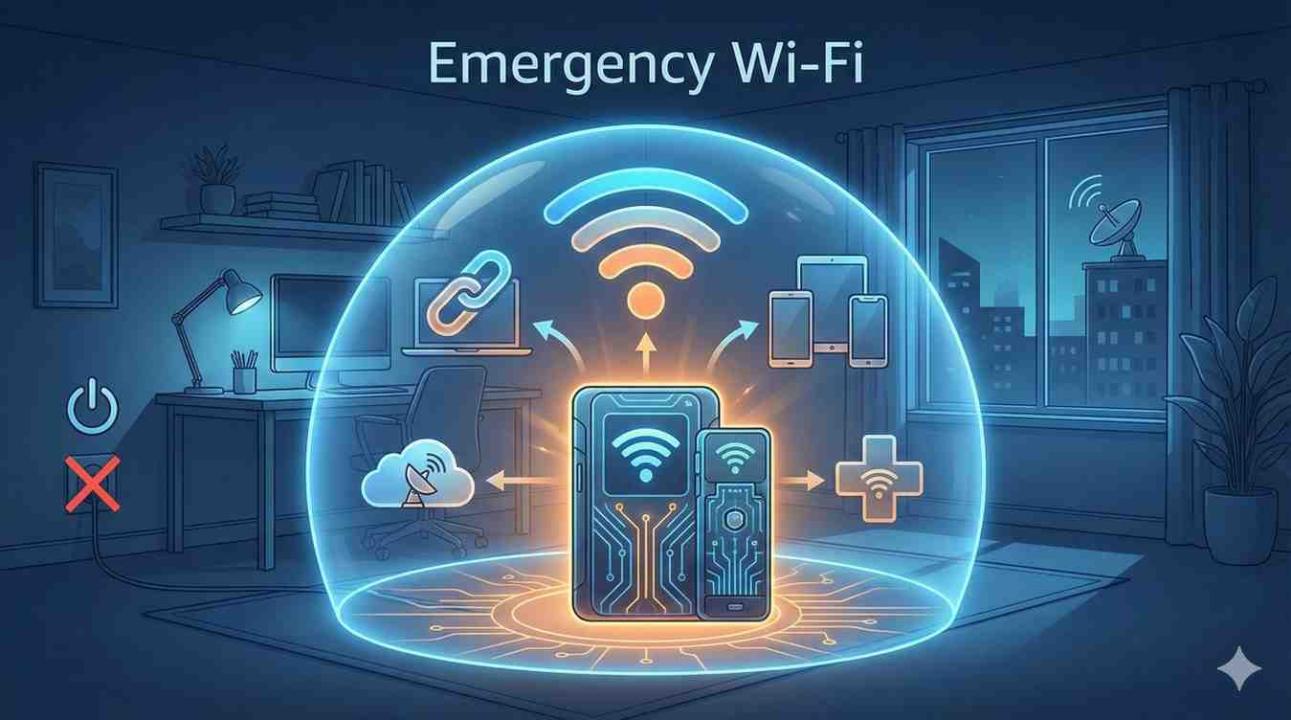
Emergency Wi-Fi is a temporary alternative that keeps you online when your main internet connection fails. It’s designed to be fast, easy to set up, and available anywhere—from your home and office to your car or even outside.
Think of it as a digital safety net.
Emergency Wi-Fi solutions typically fall into a few categories:
Portable hotspots
Smartphone hotspot tethering
Dedicated backup internet devices
Satellite-based emergency connections
Community or public Wi-Fi as temporary access
Each option comes with its own strengths, and you can choose one based on your life>
The Most Reliable Ways to Get Emergency Wi-Fi During an Outage
Below are the best and most practical options for getting back online quickly when everything else fails.
1. Use a Mobile Hotspot Device
Mobile hotspot devices (also known as MiFi or hotspot routers) are one of the most reliable forms of temporary internet access. They use cellular networks 4G LTE or 5G to create Wi-Fi.
Why it’s great:
Works even if your home internet provider is down
Portable and battery-powered
Connect multiple devices
Good for remote work, travel, or outages
This is a top choice for anyone who wants a reliable internet outage solution without relying on their smartphone.
2. Turn Your Smartphone Into a Hotspot
When you need urgent WiFi in a hurry, your smartphone can act as an instant hotspot. Most modern phones have a built-in hotspot feature. Just turn it on, connect your laptop or tablet, and you’re back online.
Pros:
Free (if included in your mobile plan)
Fast setup
Accessible anywhere you have cellular signal
Cons:
Burns through battery
Uses your mobile data
Connection may not be as stable as a dedicated hotspot
Still, it’s one of the easiest ways to get emergency internet on the spot.
3. Portable 4G/5G Routers for Backup Internet
These devices look and function like regular home routers but use cellular networks instead of wired internet.
They offer:
Unlimited data options
Better range than hotspot devices
Stronger, more consistent speeds
If you want a genuine backup internet system that automatically kicks in during outages, this is the perfect option for homes and offices.
4. Satellite Internet for Emergencies
Satellite-based emergency WiFi is particularly useful in rural or remote areas where cellular signals are weak.
Modern satellite solutions provide:
Wide coverage even in areas without towers
Decent download speeds
Reliable access during natural disasters
However, this option is usually more expensive and might have hardware requirements. For those who live off-grid, travel a lot, or face frequent outages, satellite is a solid backup choice.
5. Public or Community Wi-Fi (Temporary Quick Fix)
If you only need a short-term solution during an outage, you can access:
Community Wi-Fi zones
Libraries
Coffee shops
Co-working spaces
University campuses
This is not a private or secure option, but it can help you complete urgent tasks when everything else fails.
6. Work Internet + Personal Hotspot Combo
If you work remotely, your employer may provide backup options like:
VPN access from your phone hotspot
Company-issued mobile routers
Cloud-based workflow flexibility
This hybrid approach is increasingly common among remote workers who deal with everyday outages.
Choosing the Best Emergency Wi-Fi Option for Life>
Here’s a simple way to decide which solution fits you best:
For Remote Workers
A 4G/5G backup router or hotspot device ensures smooth video calls and uploads.
For Families
A cellular router with unlimited data keeps multiple devices running.
For Travelers or RV Users
Portable hotspot devices and satellite internet provide flexibility anywhere.
For Students
A smartphone hotspot is affordable and convenient.
For Rural Residents
Satellite or long-range hotspot solutions are best.
Your choice depends on three things: coverage, budget, and data usage.
Tips to Make Your Emergency Internet More Reliable
Once you have an emergency solution, maximize its performance by:
Keeping hotspot devices fully charged
Positioning routers near windows for better signal
Updating your devices for optimal performance
Using apps to check signal strength
Having a power bank ready during long outages
With the right setup, your emergency WiFi will feel almost as stable as your main connection.
Why Emergency Wi-Fi Matters More Than Ever
Internet outages are increasing due to:
Network congestion
Weather conditions
Equipment failure
Construction or line damage
Power outages
Provider maintenance
We are more dependent on digital technology than ever. From banking to schoolwork to entertainment, everything requires internet access.
That’s why having a backup internet isn’t a luxury anymore, it's essential. It offers peace of mind, productivity, and a sense of readiness when unexpected outages happen.
Conclusion
Getting reliable emergency Wi-Fi during an internet outage doesn’t need to be complicated. With options like mobile hotspots, portable routers, satellite internet, and temporary public Wi-Fi, there’s always a way to stay connected when your main network goes down.
The key is to choose a solution that meets your daily online needs and have it ready before an outage occurs. Whether you work remotely, study online, run a business, or simply want uninterrupted access, an internet outage solution ensures you’re never offline when it matters most.
Emergency internet isn’t just about convenience it’s about security, productivity, and peace of mind.
FAQs About Emergency Wi-Fi
1. What is emergency Wi-Fi?
Emergency Wi-Fi is temporary or backup internet used when your main connection goes down due to outages or disruptions.
2. How can I get emergency internet fast?
Use mobile hotspots, dedicated hotspot routers, smartphone tethering, or satellite connections for a quick setup.
3. Is mobile hotspot enough for backup internet?
Yes, it works well for short outages, video calls, and basic work depending on your data plan and signal strength.
4. Can I use satellite internet during emergencies?
Absolutely. Satellite internet provides coverage in rural areas where cellular or wired networks are limited.
5. What’s the cheapest way to get emergency Wi-Fi?
Using your smartphone hotspot is the most affordable option, followed by low-cost portable hotspot devices.