
If you are looking to take your networking career to the next level, CCIE Wireless Training is one of the most effective ways to gain advanced knowledge and hands-on experience in wireless technologies. This training is designed to help professionals master the skills needed to design, implement, and troubleshoot complex wireless networks. By following a structured learning path, you can build confidence in both theoretical concepts and practical applications.
Wireless networks are becoming the backbone of modern businesses, making expertise in this area highly valuable. Whether you are new to wireless networking or already have experience, CCIE Wireless Training equips you with the tools and techniques required to handle real-world scenarios. Investing in this training not only strengthens your technical skills but also prepares you for the prestigious CCIE certification, which is recognized globally in the networking industry.
Understanding CCIE Wireless
The CCIE Wireless certification is one of the most respected credentials in the networking field. Unlike basic certifications, it validates your ability to design, implement, and troubleshoot large-scale wireless networks. Employers highly value CCIE-certified professionals because they bring advanced technical skills, practical problem-solving abilities, and an understanding of modern wireless technologies.
Wireless networks are complex due to factors like interference, security concerns, and the need for seamless connectivity. CCIE Wireless Training ensures that candidates gain in-depth knowledge about these challenges and how to overcome them efficiently. This certification not only tests your knowledge but also measures your real-world networking skills.
Structure of the CCIE Wireless Exam
The CCIE Wireless exam is divided into two main parts:
Written Exam: This is the first step and assesses your theoretical understanding of wireless technologies. Topics include network protocols, wireless design principles, RF fundamentals, security, and troubleshooting. A solid foundation in these areas is crucial for success in the lab exam.
Lab Exam: The lab exam is hands-on and tests your ability to configure, implement, and troubleshoot wireless networks in real-world scenarios. It is time-bound, so practicing under exam-like conditions is essential. The lab exam evaluates not just your technical skills but also your efficiency and accuracy under pressure.
Understanding the exam structure early on helps in planning your preparation strategy and ensures a focused approach to training.
How to Start Your CCIE Wireless Training
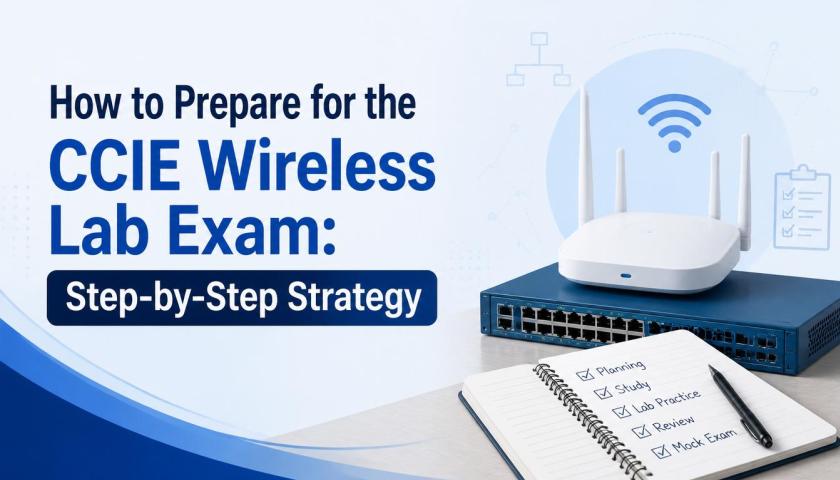
Starting CCIE Wireless Training can seem overwhelming at first, but breaking it into manageable steps makes it easier. Here’s a practical approach:
Build a Strong Foundation: Ensure you have a solid grasp of networking basics, including TCP/IP, routing, switching, and security. These concepts are crucial for understanding advanced wireless topics.
Learn Wireless Concepts: Focus on Wi-Fi standards, WLAN architecture, access point deployment, RF fundamentals, and wireless security protocols. These topics form the core of CCIE Wireless knowledge.
Hands-On Practice: Setting up a lab environment, either physically or using simulators, is essential. Regular practice helps you gain confidence in configuration, monitoring, and troubleshooting tasks.
Use Study Materials: Utilize official guides, video tutorials, practice labs, and online forums. Consistency is more important than cramming. Even dedicating a small amount of time daily can significantly improve your understanding.
Tips for Effective Learning
To succeed in CCIE Wireless, consider these strategies:
Create a Study Schedule: Break your preparation into weekly goals and track your progress. Structured learning prevents burnout and ensures steady improvement.
Join Study Groups: Interacting with peers allows you to clarify doubts and learn alternative approaches to solving problems.
Practice Troubleshooting: Lab exams often focus on resolving network issues quickly. Practice common troubleshooting scenarios regularly.
Review Regularly: Revisiting key topics frequently strengthens retention and helps with exam readiness.
Common Challenges and Solutions
Many candidates face challenges during CCIE Wireless Training. Time management in the lab exam is a major one. To overcome it, simulate lab scenarios under timed conditions and gradually increase your speed. Another challenge is remembering configurations and commands. Using flashcards, cheat sheets, or notes can help reinforce memory. Maintaining motivation over months of preparation can also be difficult. Setting small milestones and celebrating achievements keeps your focus and confidence high.
Importance of Hands-On Experience
Hands-on practice is crucial for success in CCIE Wireless. The lab exam tests real-world skills, not just theoretical knowledge. By practicing in a lab environment, you learn to handle network issues that occur in actual deployments. Simulators or home labs are cost-effective ways to gain this experience. Focus on building, configuring, and troubleshooting wireless networks regularly to strengthen your problem-solving skills.
Career Benefits of CCIE Wireless
Earning a CCIE Wireless certification opens many doors in the networking industry. It establishes you as an expert in wireless technologies, giving you an edge in competitive job markets. Professionals with this certification often pursue roles such as network architects, wireless engineers, and senior IT consultants. Beyond technical skills, CCIE Wireless also develops problem-solving abilities, making you a valuable asset to any organization.
Final Thoughts
Achieving CCIE Wireless certification is a challenging but highly rewarding journey. By following a structured training plan, practicing consistently, and staying motivated, you can gain the knowledge and hands-on skills needed to excel in advanced wireless networking. The training prepares you for real-world scenarios and helps you build confidence in designing, implementing, and troubleshooting complex networks.
For networking professionals looking to reach the highest level, CCIE Enterprise Wireless Certification provides global recognition, advanced career opportunities, and validation of your expertise in wireless networking. Investing time and effort in CCIE Wireless Training is a step toward becoming a leader in the field and mastering one of the most in-demand skills in the IT industry.