Stepping onto the EBC Trail
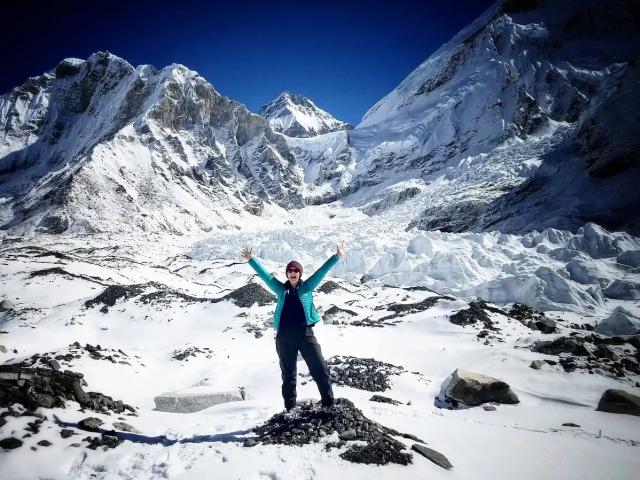
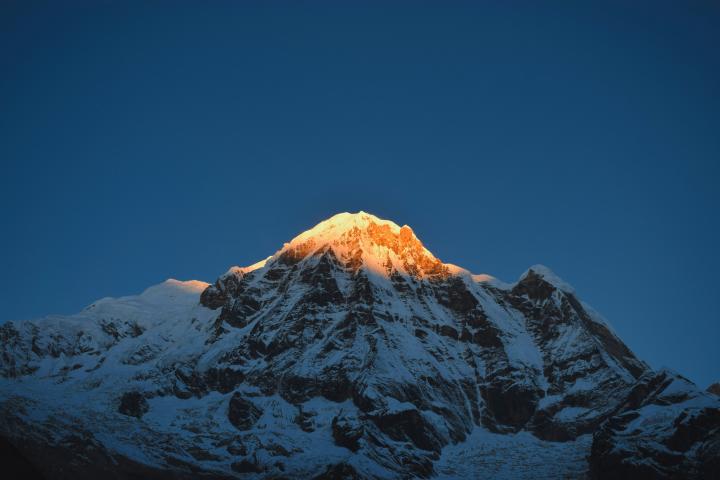
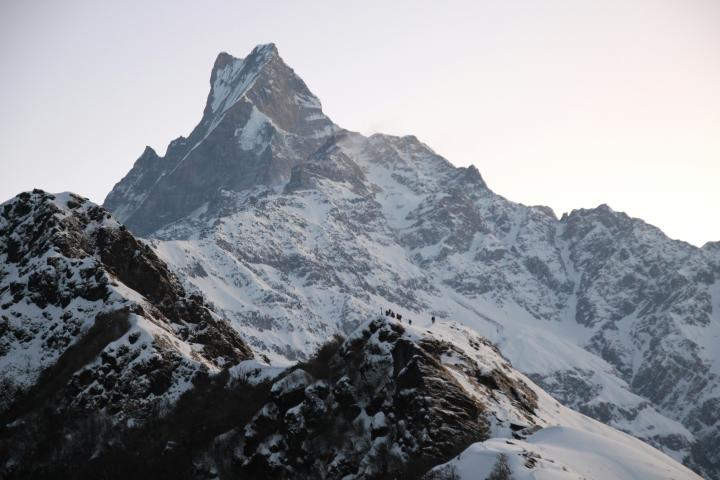
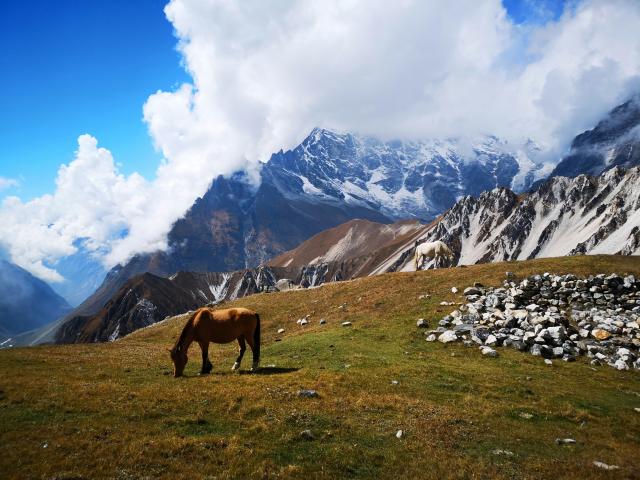
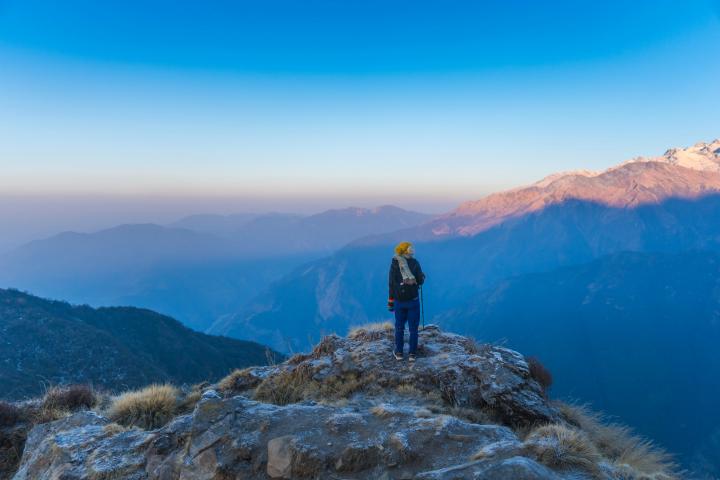
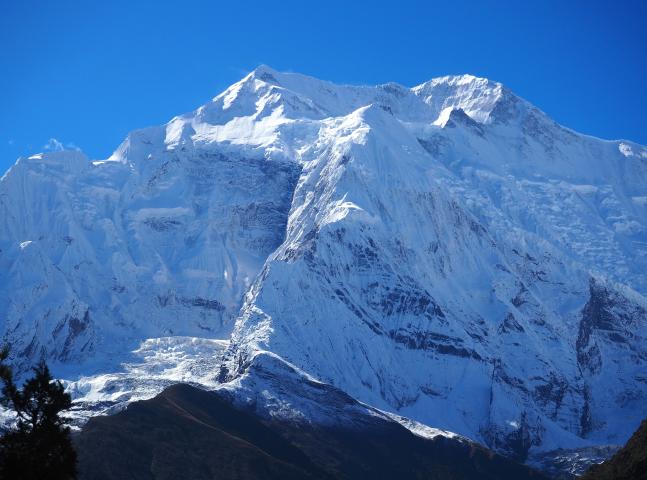
The first time I walked on the EBC Trail, I felt a mixture of excitement and awe. The mountains towered above me, the air was thin and crisp, and every step brought a new view. Walking toward Everest Base Camp is not just a trek, it is an experience that touches the heart. The trail takes you through forests, rivers, and high alpine landscapes. Along the way, you meet friendly Sherpa communities and see the rich culture of the Khumbu region. Every day on the trail feels like a step into another world where nature and humanity meet in harmony.
Understanding the Trek
The Everest Base Camp Trek is a moderate to challenging journey. The trek usually takes about 12 to 14 days depending on the pace and rest days. The total distance covered is approximately 130 kilometers round trip. The highest point you reach is Kala Patthar at 5,545 meters, which offers the best view of Mount Everest. Walking at this altitude requires careful pacing, proper rest, and preparation to avoid altitude sickness.
The Route and Scenery
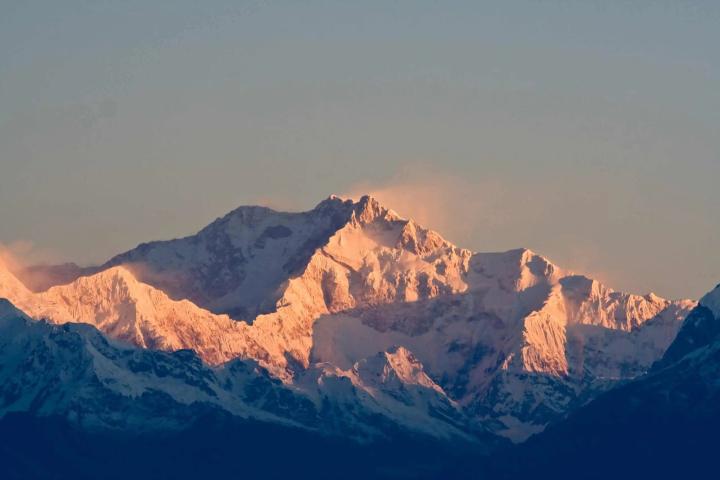
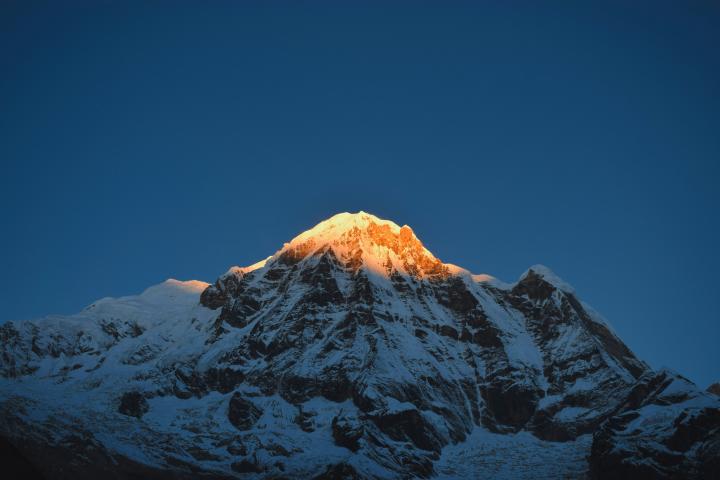
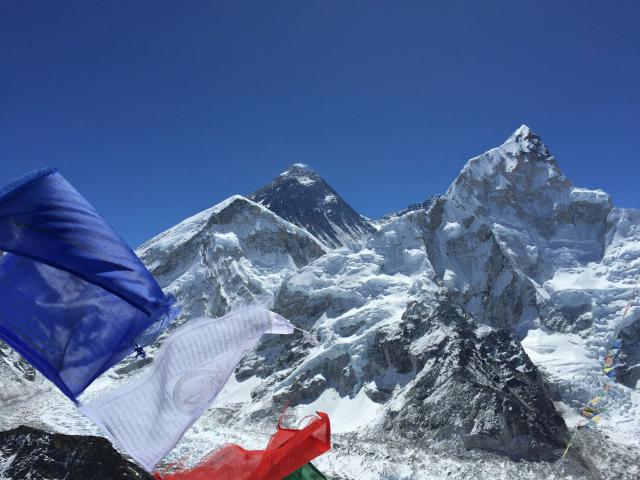
The trek starts from Lukla, a small mountain town with the famous Tenzing-Hillary Airport. From here, the trail passes through pine forests, rhododendron valleys, and terraced villages. Namche Bazaar is the main hub for trekkers. It is lively with shops, cafes, and lodges. Beyond Namche, the trail climbs higher, reaching villages like Tengboche, Dingboche, and Lobuche. Each step upward offers panoramic views of Everest, Lhotse, Nuptse, and Ama Dablam. Kala Patthar is the final viewpoint before reaching base camp, giving a breathtaking view of the massive Everest summit.
Culture Along the Trail
The Khumbu region is home to the Sherpa people. Their culture and hospitality make the trek more memorable. Monasteries, prayer flags, and mani stones are seen throughout the villages. Visiting Tengboche Monastery gives a glimpse into Buddhist life in the Himalayas. Local tea houses provide warm meals and beds for trekkers. Sharing a meal with Sherpa families or fellow trekkers is an experience that adds meaning to the journey.
Weather and Best Time to Trek
Weather is an important consideration. The most popular times for the trek are spring (March to May) and autumn (September to November). Spring brings blooming rhododendrons and moderate temperatures. Autumn has clear skies and stable weather, perfect for mountain views. Winter is cold and quiet, and monsoon brings heavy rainfall and slippery trails, which can make the trek difficult. Proper clothing and gear are essential to stay safe and comfortable.
Accommodation on the EBC Trail
Most trekkers stay in tea houses along the trail. These are simple lodges with shared bathrooms, warm meals, and beds. The quality improves as you move down the trail, but at higher altitudes, facilities are basic. Carrying personal hygiene items, a sleeping bag, and a water bottle is necessary. Staying in tea houses allows trekkers to experience the local life while resting for the next day’s climb.
Food and Energy on the Trek
Food is an important part of trekking at high altitude. Dal bhat, a traditional meal of rice and lentils, is served at many tea houses. Noodles, soups, potatoes, and bread are also common. Eating simple, warm meals helps maintain energy and body heat. Carrying snacks like nuts, chocolate, and energy bars is useful for long walking days. Staying hydrated is also very important for health and endurance during the trek.
Physical Preparation
Even though the trek is non-technical, physical fitness is important. Walking long distances with a backpack at high altitude requires stamina and endurance. Regular walking, hiking, and basic cardio exercises before the trek improve the experience. Trekking poles, proper boots, and layered clothing help manage the trail and weather conditions.
Memorable Experiences
The EBC Trail is filled with unforgettable moments. Watching the sunrise over Everest from Kala Patthar, meeting Sherpa children in villages, and feeling the crisp mountain air are experiences that stay in memory. The journey is not only about reaching the base camp but also about enjoying each step along the way, connecting with nature, and appreciating the culture and landscape.
Tips for a Successful Trek
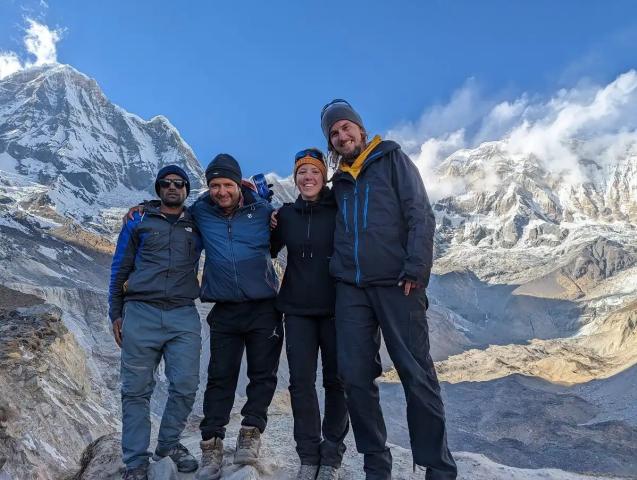
Plan the trek carefully, including permits, gear, and travel insurance. Walk slowly to adapt to altitude and rest regularly. Eat well and drink enough water. Respect local culture and environment. Take time to enjoy the scenery and capture memories. Trekking with a guide or a group can make the experience safer and more enjoyable, especially for first-time trekkers.
Final Thoughts
The Everest Base Camp Trek is more than a walk in the mountains. It is a journey that challenges the body, inspires the mind, and touches the soul. The EBC Trail combines adventure, culture, and breathtaking natural beauty. Whether it is the villages, monasteries, or the mighty peaks, every part of the trek leaves a lasting impression. Proper preparation, respect for the altitude, and a love for the mountains are key to making this journey unforgettable.