
In the digital world, visibility on Google can make or break a business. Ranking well is no longer just about keywords and backlinks; it is about trust and authority. Google’s goal is simple: deliver the most reliable, relevant, and valuable content to users. To earn a strong position in search results, websites must prove they are trustworthy and authoritative over time.
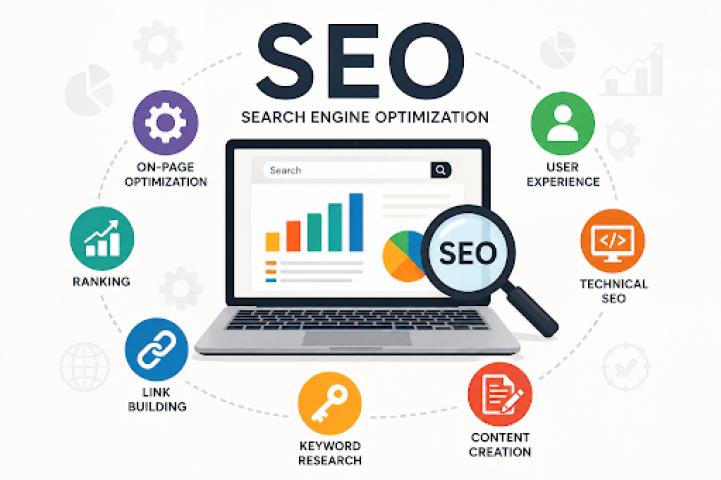
The foundation of trust begins with high-quality content. Google prioritizes content that genuinely helps users by answering their questions clearly and accurately. Articles should be well-researched, original, and written with real human insight. Thin, repetitive, or misleading content weakens credibility. Instead of creating content only for rankings, focus on solving problems and providing value. When users spend more time reading, sharing, and returning to your content, Google sees positive engagement signals.
Expertise is another key factor. Google evaluates whether content is created by knowledgeable sources, especially for topics related to health, finance, or major life decisions. Demonstrating expertise can be done by publishing in-depth articles, using accurate data, and clearly explaining complex ideas. Adding author details, credentials, or real business information helps reinforce authenticity and reliability.
Backlinks remain a strong signal of authority. When reputable websites link to your content, Google interprets it as a vote of confidence. However, quality matters far more than quantity. A few links from trusted, relevant websites are more powerful than dozens from low-quality sources. Building backlinks naturally through valuable content, partnerships, guest articles, and digital PR creates long-term authority without risking penalties.
Website experience also plays a major role in trust. A secure website with HTTPS encryption, fast loading speed, and mobile-friendly design signals professionalism and reliability. Users should be able to navigate easily, find information quickly, and enjoy a smooth experience across all devices. Poor user experience, broken links, or excessive ads can reduce credibility in Google’s evaluation.
Transparency strengthens trust as well. Clear contact details, an “About Us” page, privacy policies, and terms of service show that the business is legitimate and accountable. Reviews and testimonials further support trust, especially when they appear genuine and consistent across platforms. Responding to reviews—both positive and negative—demonstrates responsibility and openness.
Consistency is often overlooked but essential. Publishing content regularly, maintaining updated information, and keeping branding consistent across the web helps Google understand and trust your presence. Inconsistent business details, outdated pages, or abandoned blogs can raise red flags.
Finally, trust and authority are built over time. There are no shortcuts. Google rewards websites that show steady growth, ethical practices, and long-term value. By focusing on quality content, strong technical foundations, authentic connections, and user-first thinking, businesses can earn Google’s trust naturally.