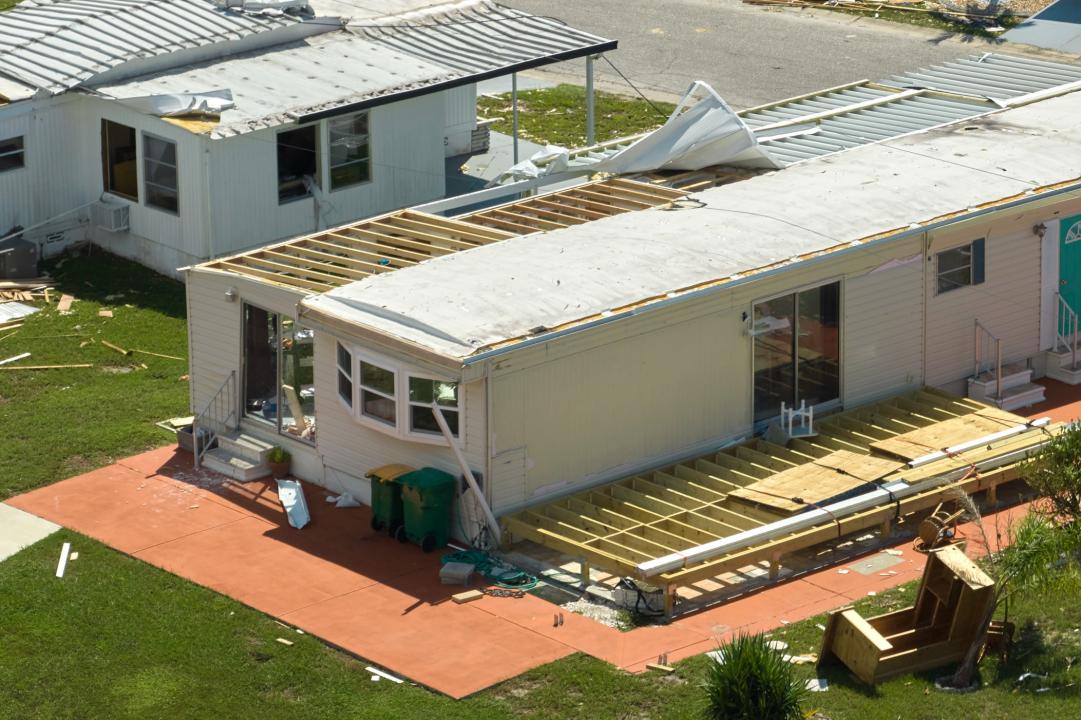
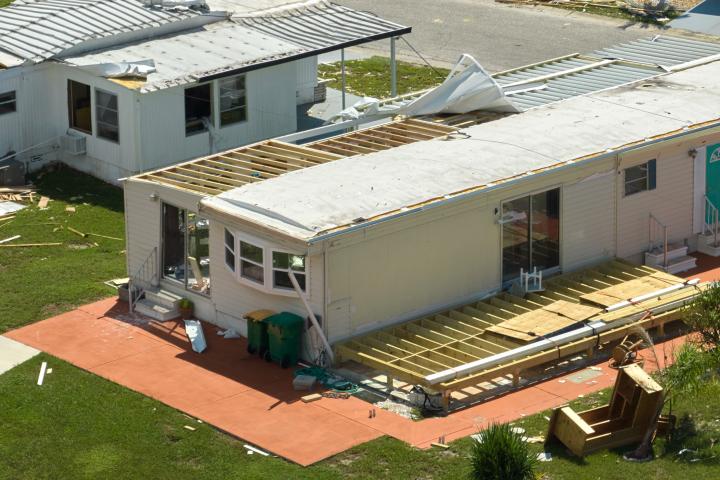
Many buyers and owners ask an important question before relocating a home: can a mobile home be moved between wind zones in Florida. The answer depends on how the home was built, where it is going, and whether it meets current safety standards. Understanding Florida wind zone rules helps avoid legal issues, permit delays, and unexpected costs.
Understanding Wind Zones in Florida
Florida uses HUD wind zone standards to regulate how mobile homes are constructed and installed. These zones are based on expected wind speeds and storm exposure. Coastal and high risk areas require stronger construction than inland regions.
Each mobile home is built and approved for a specific wind zone. This rating determines where the home can legally be placed.
Moving From a Higher Wind Zone to a Lower One
A mobile home built for a higher wind zone can usually be moved to a lower wind zone area in Florida. Since the home already meets stronger construction standards, it is generally accepted in areas with lower wind requirements.
Even in this situation, the home must still pass local inspections and meet current installation standards. Permits are required, and the anchoring system must match the new location’s code.
Moving From a Lower Wind Zone to a Higher One
A mobile home built for a lower wind zone cannot be moved to an area with higher wind requirements. Florida building codes do not allow homes to be upgraded to meet higher wind zone ratings after construction.
This rule is strictly enforced during the permitting process. Attempting to move a lower rated home into a higher risk area will result in permit denial.
Why Homes Cannot Be Upgraded to Higher Wind Zones
Wind zone ratings are based on how the home was originally engineered and built. Structural elements such as framing, roof connections, and wall systems are designed during manufacturing.
Because these features cannot be fully modified after the home is built, Florida does not allow retroactive wind zone upgrades. This is a key reason buyers must confirm wind zone ratings before purchasing or relocating a home.
How to Check a Mobile Home’s Wind Zone Rating
The wind zone rating of a mobile home is listed on the data plate inside the home. This plate shows where the home is approved to be placed.
Before moving a mobile home between wind zones in Florida, buyers should verify both the home’s rating and the destination property’s wind zone with local building officials.
Permits and Inspections Still Apply
Even when a move is allowed, permits and inspections are required. Local building departments review the wind zone rating, installation plans, and anchoring system.
The home must meet current installation standards, even if it was built years ago. This may require updated tie downs or foundation adjustments.
Insurance and Financing Considerations
Insurance companies and lenders also review wind zone compliance. Homes moved into lower wind zones may still need proof of proper installation. Homes that do not meet wind zone rules may face coverage limits or financing challenges.
Understanding whether a mobile home can be moved between wind zones in Florida helps buyers plan ahead and avoid surprises.
Final Thoughts
So, can a mobile home be moved between wind zones in Florida. In many cases, moving from a higher wind zone to a lower one is allowed. Moving from a lower wind zone to a higher one is not permitted.
Knowing these rules before buying or relocating a mobile home saves time, money, and stress. Proper planning and verification ensure a smoother process and safer placement.
Also Read : Florida Coastal Wind Zone Rules for Mobile Homes