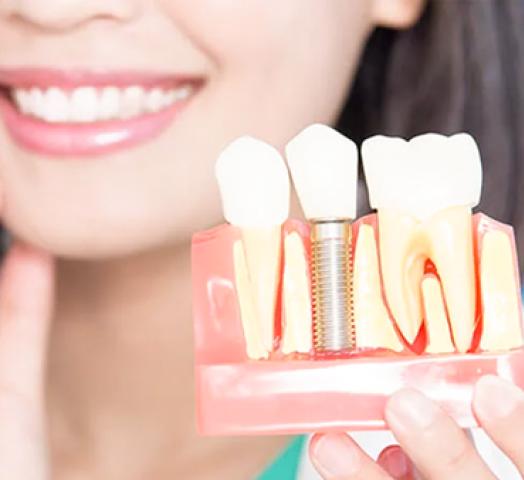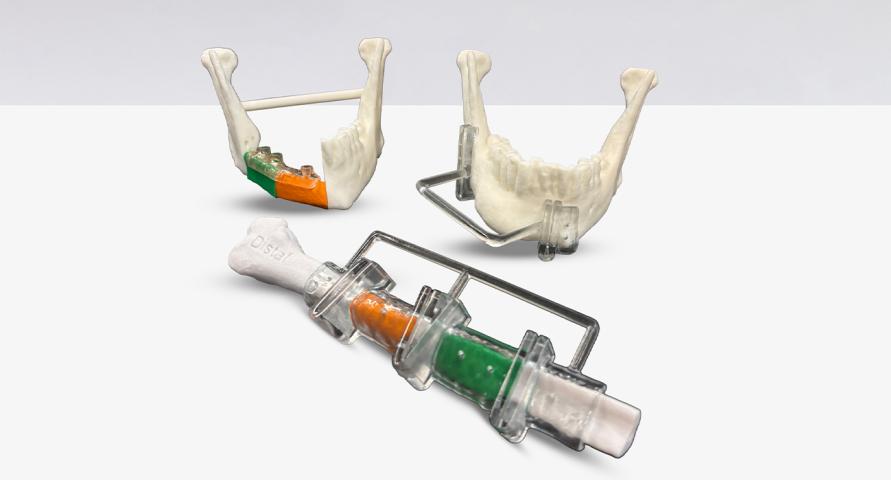
Teeth play a crucial role in everyday activities such as eating, speaking, and smiling with confidence. However, many people experience dental problems at some point in their lives due to poor oral hygiene, unhealthy diets, or lack of regular dental care. Understanding common teeth problems and learning how to prevent them can help you maintain strong teeth and healthy gums for the long term.
Tooth Decay (Cavities)
Tooth decay is one of the most common dental problems worldwide. It occurs when plaque, a sticky film of bacteria, builds up on the teeth and produces acids that damage the enamel. Sugary and starchy foods increase the risk of cavities. To prevent tooth decay, brush twice daily with fluoride toothpaste, floss regularly, and limit sugary snacks and drinks. Regular dental checkups help catch cavities early before they worsen.
Gum Disease
Gum disease, also known as periodontal disease, starts as gingivitis and can progress to more severe stages if left untreated. Symptoms include swollen or bleeding gums, bad breath, and gum recession. Gum disease is mainly caused by poor oral hygiene and plaque buildup. Preventing it requires proper brushing, daily flossing, and professional dental cleanings. Quitting smoking also significantly reduces the risk of gum disease.
Tooth Sensitivity
Tooth sensitivity causes discomfort or pain when consuming hot, cold, sweet, or acidic foods. It usually occurs when the enamel wears down or gums recede, exposing the sensitive inner layers of the tooth. Using toothpaste designed for sensitive teeth, avoiding overly acidic foods, and brushing gently can help reduce sensitivity over time.
Tooth Discoloration
Stained or discolored teeth can affect confidence and appearance. Common causes include coffee, tea, tobacco, aging, and poor oral hygiene. Preventing discoloration involves brushing regularly, reducing staining foods and drinks, and visiting the dentist for professional cleanings. Whitening treatments may also be recommended for stubborn stains.
Bad Breath (Halitosis)
Bad breath is often caused by bacteria buildup in the mouth, dry mouth, or poor oral hygiene. It can also result from underlying dental issues such as cavities or gum disease. Brushing the tongue, flossing daily, drinking enough water, and treating dental problems promptly can help prevent chronic bad breath.
Cracked or Chipped Teeth
Teeth can crack or chip due to accidents, grinding, or biting hard objects. Using your teeth as tools, chewing ice, or grinding teeth at night increases the risk. Wearing a mouthguard during sports or while sleeping can help protect your teeth from damage.
Wisdom Teeth Problems
Wisdom teeth often cause issues such as pain, swelling, crowding, and infection due to lack of space in the jaw. After extraction, proper care is essential for healing. Many patients ask, When Can I Use a Straw After Wisdom Teeth Removal? Dentists usually advise waiting several days, as using a straw too soon can disturb the healing blood clot.
Another common concern is recovery time. People often wonder, How Long Does Wisdom Teeth Pain Last? While discomfort typically decreases within a few days, full healing may take longer depending on the individual and how well aftercare instructions are followed.
Preventive Dental Care
Preventing common teeth problems starts with good daily habits. Brush twice a day, floss daily, maintain a balanced diet, and avoid tobacco products. Regular dental visits allow early detection and treatment of potential problems before they become serious.
Conclusion
Common teeth problems can affect anyone, but most are preventable with proper care and awareness. By maintaining good oral hygiene, making healthy life>