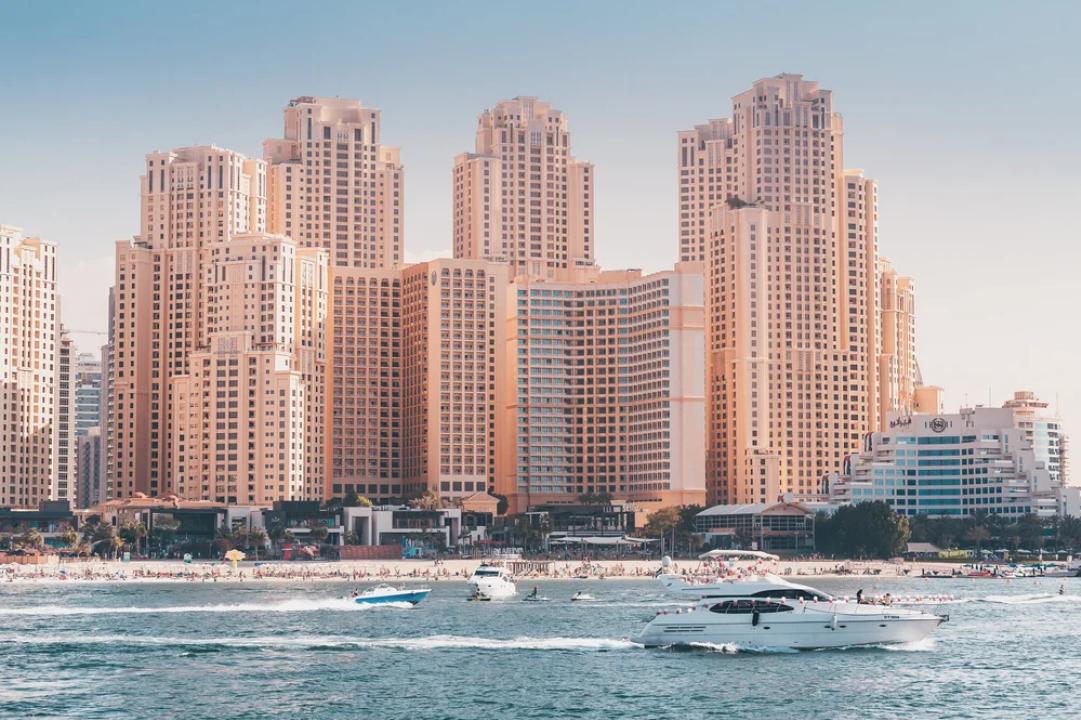
Dubai’s property sector has continued to evolve at a rapid pace. Over the past year, the market has shown strong activity across residential, commercial, and mixed-use developments. Buyers, investors, and long-term residents have all played a role in shaping recent trends.
What makes the current phase interesting is the balance between growth and adjustment. Prices have risen in many areas, yet supply has also expanded. Policy reforms, infrastructure projects, and global economic shifts have influenced how the sector behaves. Understanding these developments helps explain where the market stands today and where it may be heading next.
Changing Buyer Behaviour and Market Activity
Buyer behaviour in Dubai has shifted noticeably. While investors remain active, there is a growing number of end users entering the market. Many buyers are no longer looking for quick returns. Instead, they are focusing on long-term value, liveability, and rental stability.
Within this context, Real Estate Agents in Dubai are observing greater demand for well-planned communities rather than isolated developments. Buyers want access to transport, schools, healthcare, and leisure spaces. This has increased interest in established neighbourhoods as well as new master-planned areas designed around daily living.
Transaction volumes remain strong, but decision-making has become more measured. Buyers are spending more time comparing locations and unit types. This suggests a maturing market where confidence exists, but caution plays a role. It is a sign of stability rather than slowdown.
Another notable trend is the diversity of buyers. Interest continues to come from Europe, South Asia, Africa, and the wider Middle East. This global demand base helps protect the market from over-reliance on any single region, making it more resilient to external pressures.
Expansion of New Developments and Housing Supply
One of the most significant developments has been the expansion of new housing supply. Large numbers of apartments, villas, and townhouses are being delivered across the city. This includes both affordable and premium segments.
Developers have responded to previous demand by accelerating project launches. Areas such as Dubai South, Jumeirah Village districts, and emerging waterfront zones have seen substantial construction activity. These locations offer relatively competitive pricing while still benefiting from future infrastructure plans.
At the same time, supply growth is beginning to influence pricing in certain segments. In locations with high volumes of similar units, buyers have more negotiating power. This is particularly noticeable in mid-range apartment developments where competition between sellers is increasing.
Despite this, demand has largely kept pace with supply. Population growth, business expansion, and life>
Government Policies and Regulatory Developments
Government policy continues to shape the direction of Dubai’s property sector. Long-term residency options linked to property ownership remain a key attraction for overseas buyers. These policies provide reassurance and encourage long-term commitment rather than short-term speculation.
Regulatory improvements have also enhanced transparency. Digital land registration systems, clearer escrow regulations, and improved buyer protection measures have strengthened trust in the market. These steps reduce uncertainty and make transactions more straightforward.
Recent tax and compliance updates have mainly affected corporate structures rather than individual homeowners. However, they reflect Dubai’s effort to align with international standards while maintaining its competitive advantages. This approach supports sustainable growth without discouraging foreign investment.
Overall, the regulatory environment aims to strike a balance. It promotes growth while ensuring the market remains well-governed. This balance is a major reason Dubai continues to attract global attention.
Price Trends Across Different Property Segments
Property prices in Dubai have shown varied movement depending on the segment. Villas and townhouses have generally outperformed apartments. This reflects continued demand for larger living spaces, particularly from families and long-term residents.
Luxury properties have also remained resilient. Waterfront homes, branded residences, and high-specification villas continue to attract wealthy international buyers. Limited supply in this segment has helped support price strength.
In contrast, some apartment markets have experienced price stabilisation. This is not a sign of weakness. Instead, it reflects the impact of increased supply and more cautious buyer behaviour. In many cases, prices have levelled rather than fallen.
Rental prices follow a similar pattern. While rents remain high in prime areas, the pace of growth has slowed. New completions are offering tenants more choice, which is gradually easing pressure in certain neighbourhoods.
Infrastructure Growth and Urban Planning
Infrastructure development remains a central driver of Dubai’s property sector. Transport expansions, road upgrades, and new public facilities continue to influence where demand flows. Areas connected to future metro lines or major road networks often see increased interest.
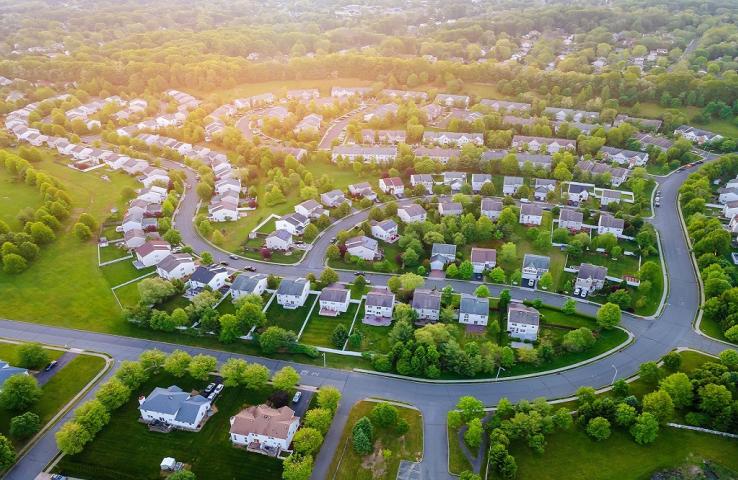
Urban planning has also become more people-focused. New communities are designed with walkability, green spaces, and shared amenities in mind. This reflects changing life>
Large mixed-use developments are gaining popularity. These projects combine residential units with retail, offices, and leisure facilities. They create self-contained environments that appeal to both residents and investors seeking rental demand.
Such planning decisions support long-term value. They reduce reliance on private transport and enhance daily convenience, which increasingly matters to modern buyers.
The Role of International Investment
International investment remains a cornerstone of Dubai’s property sector. Global buyers view the city as a stable and well-connected base. Political neutrality, strong governance, and economic diversification contribute to this perception.
Luxury buyers, in particular, continue to see Dubai as a life>
Institutional investors are also playing a role. Investment into property-related platforms, development funding, and large-scale projects signals long-term confidence in the sector. This type of capital supports innovation and market depth.
The diversity of investment sources reduces volatility. When one market slows, others often compensate. This global mix has been a defining strength of Dubai’s property landscape.
Sustainability and Design Trends
Sustainability is becoming more prominent in new developments. Energy-efficient designs, improved insulation, and smart home systems are increasingly standard rather than optional.
Buyers are more aware of running costs and environmental impact. Developers are responding by incorporating sustainable materials and technologies. This not only appeals to buyers but also aligns with wider environmental goals.
Design trends have also evolved. Homes are being built with flexible layouts, home-office spaces, and better natural light. These features reflect changes in how people live and work.
Such shifts suggest that the market is adapting to real needs rather than simply following past formulas. This adaptability supports long-term demand.
What These Developments Mean Going Forward
Dubai’s property sector is not slowing down, but it is becoming more balanced. Rapid growth has given way to a phase of consolidation and refinement. This is a healthy transition for any mature market.
Buyers benefit from increased choice and transparency. Investors benefit from clearer regulations and stable demand. Developers face more competition, which encourages better quality and realistic pricing.
Looking ahead, the sector’s direction will depend on global economic conditions, population growth, and continued infrastructure investment. However, the foundations remain strong.
Dubai’s ability to adapt has always been one of its greatest strengths. The recent developments in its property sector reflect this adaptability and point towards a future built on stability rather than speculation.