Commercial HVAC systems are workhorses. They keep offices, retail spaces, hospitals, data centers, schools, and industrial facilities at regulated temperatures year-round. But when an HVAC unit fails unexpectedly, the impact can be more than uncomfortable — it can disrupt operations, jeopardize productivity, and cost tens of thousands of dollars in emergency repairs and lost revenue.
Understanding what triggers sudden breakdowns isn’t just interesting — it’s necessary. Facility managers, business owners, and maintenance teams must know the real causes so they can prevent them, recognize warning signs, and act fast when things go wrong.
In this article, we’ll break down the top reasons commercial HVAC systems fail suddenly, how to identify those issues early, and what you can do to minimize emergency repair costs. If you need professional help, our commercial hvac repair services team can diagnose and resolve emergent problems quickly and effectively.
Why Commercial HVAC Fails: The Core Causes
Unlike residential systems, commercial HVAC units operate under much higher stress and heavier workloads. The complexity and demand mean there are more failure points and less tolerance for neglect. The most common causes of sudden failures include poor maintenance, component wear and tear, electrical issues, airflow blockages, and environmental strain.
1. Inadequate or Irregular Maintenance
This is the number one reason commercial HVAC systems fail. Preventive maintenance isn’t optional — it’s essential.
What happens without proper maintenance:
- Filters clog with dust and debris
- Coils accumulate dirt
- Refrigerant levels go unchecked
- Belts stretch or crack
- Calibration drifts on sensors and thermostats
Systems without scheduled inspections and maintenance checks are running blind. Small inefficiencies build up until something gives way — often at the worst possible time, like peak summer or winter demand.
Veteran technicians will tell you: most “emergency” HVAC calls are actually avoidable with routine service.
2. Dirty or Blocked Filters and Coils
Air filters are cheap. Dirty filters are expensive.
Clogged filters restrict airflow, forcing HVAC units to work harder. That additional strain increases operating temperatures, which accelerates wear on motors and compressors. Dirt also accumulates on evaporator and condenser coils, decreasing heat transfer efficiency. The result? System overheating, frozen coils, baffled thermostats, and sudden shutdowns.
What to watch for:
- Rising energy bills
- Weak airflow
- Frost on refrigerant lines
- Uneven cooling across zones
Changing filters on schedule and cleaning coils regularly isn’t just preventive — it extends equipment life.
3. Refrigerant Leaks
Refrigerant is what makes cooling possible. When there’s a leak:
- The system loses capacity
- Pressures fall outside safe operating ranges
- Compressors overheat and fail
Commercial systems use complex refrigerant circuits. A small leak in a hard-to-reach place can go unnoticed until the system stops cooling altogether.
Refrigerant issues also have environmental and regulatory implications. Low refrigerant doesn’t just hurt performance — it can mean non-compliance with laws governing leaks, handling, and disposal.
4. Electrical Failures
Commercial HVAC systems have multiple electrical components:
- Contactors
- Relays
- Capacitors
- Transformers
- Control boards
- Breakers
A failed capacitor alone can prevent compressors and fans from starting. Loose wiring can cause shorts. Burnt contacts can interrupt power delivery. Unstable electrical supply (voltage spikes or drops) will stress sensitive electronics.
Electrical failures often strike without much notice because damage accumulates over time. Sometimes it’s age; other times it’s poor installation or inadequate protection.
5. Mechanical Component Breakdowns
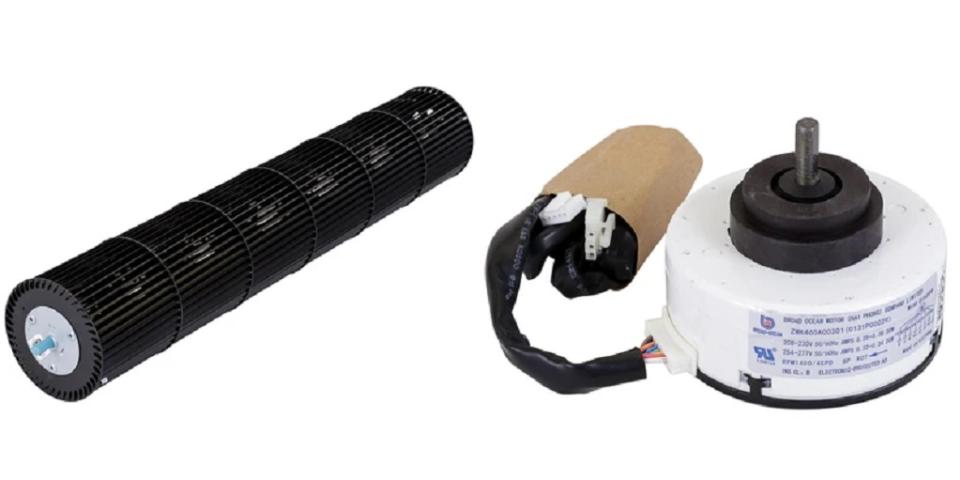
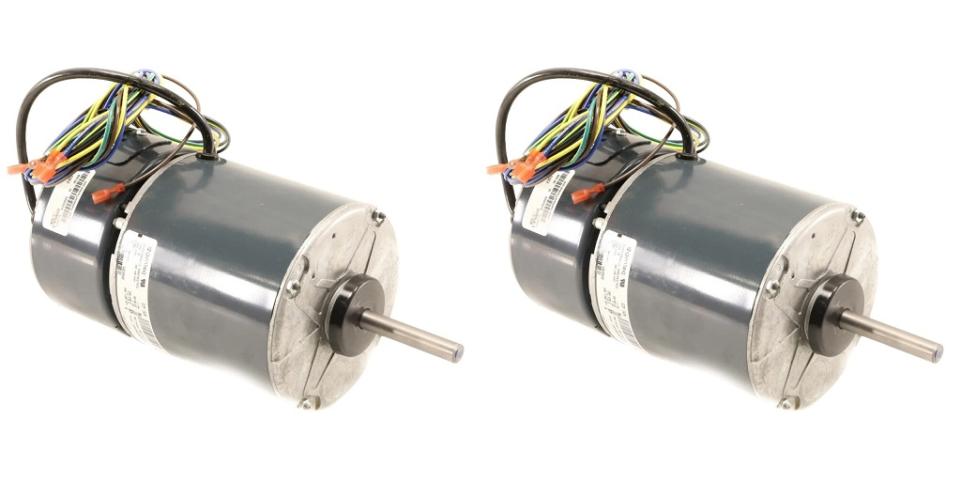
Bearings, belts, fan motors, and blower assemblies are moving parts — and moving parts wear out.
With extended use, belts stretch and crack. Bearings lose lubrication. Motors overheat. Fans wobble.
Eventually, a component fails outright. When that happens during high demand (mid-summer heat waves or winter cold spells), systems shut down to protect critical elements. That’s when facilities call for emergency repairs.
6. Thermostat or Sensor Problems
Modern commercial HVAC relies on accurate sensing to regulate temperatures and manage zones efficiently.
A faulty thermostat or temperature sensor can send misleading data to the control system. That might cause the system to:
- Run constantly without ever reaching set points
- Cycle on and off rapidly (short cycling)
- Ignore cooling or heating demands entirely
Incorrect readings confuse the control logic, force equipment into unsafe operations, and lead to premature shutdowns.
7. Airflow Issues
Airflow problems can come from:
- Blocked ductwork
- Closed dampers
- Dirty filters
- Fan motor failures
Poor airflow doesn’t just reduce comfort — it creates pressure imbalances that stress coils and compressors. In commercial systems with multiple zones, one blocked pathway can cascade into failures across the system.
8. Environmental and Operational Stress
Commercial HVAC units often operate in harsh environments:
- Rooftop exposure to wind, heat, and rain
- Dusty or corrosive industrial air
- High occupant load buildings
- Extended operating hours
Continuous heavy use — especially without adequate rest cycles and maintenance — accelerates wear and increases the odds of sudden breakdowns.
Recognizing the Early Warning Signs
You can’t prevent every failure, but you can catch many before they become emergencies — if you know what to look for.
Here are symptoms that precede many sudden failures:
- Unusual noises — squealing, grinding, banging, or rattling
- Frequent cycling — starts and stops repeatedly
- Higher than normal energy use
- Hot or cold spots across zones
- Water leaks or ice buildup
- Frequent system resets
- Odors (burning, musty, chemical)
If you notice these, don’t wait. Call a qualified HVAC technician immediately.
What Emergency HVAC Repair Looks Like
An emergency repair call isn’t just “fix it.” A competent response includes:
Fast Diagnosis
Technicians should:
- Inspect electrical systems
- Check refrigerant levels
- Evaluate airflow patterns
- Test sensors and controls
- Scan for hidden damage
You want clarity, not guesswork.
Repair or Temporary Stabilization
In some cases, the fix is straightforward (replace a capacitor, tighten wiring). Other times, the goal is temporary stabilization — restoring operation long enough to plan a full repair.
A good technician will explain:
- What failed
- Why it failed
- What’s recommended now
- What’s recommended later
Clear Reporting
You should always receive a report with:
- Parts replaced
- Tests run
- System readings (temperatures, pressures, voltages)
- Future recommendations
That documentation isn’t optional — it protects your system and your budget.
How to Prevent Future Failures
Emergency repairs are expensive. Planned maintenance is not.
Here’s what separates reliable HVAC programs from reactive ones:
Scheduled Preventive Maintenance
At minimum, a commercial HVAC system should be inspected twice a year — before cooling season and before heating season.
A comprehensive maintenance visit includes:
- Filter replacement
- Coil cleaning
- Electrical tightening and testing
- Lubrication of moving parts
- Refrigerant checks
- Calibration of thermostats and sensors
- Airflow measurements
If your current provider isn’t doing all of this, they’re not doing maintenance — they’re just charging for visits.
System Monitoring and Controls
Modern building automation systems (BAS) and advanced controllers can provide early alerts on:
- Temperature drift
- Pressure anomalies
- Unexpected runtime patterns
- Fault codes
Most emergency failures are preceded by days or weeks of abnormal data. If you’re not monitoring, you’re blind.
Training for On-Site Staff
Facility personnel should be able to notice:
- Changes in system behavior
- Odd noises
- Water where there shouldn’t be water
- Unusual odors
Early human detection combined with technical diagnostics is powerful.
Budgeting for Lifecycle Investment
Commercial HVAC systems don’t last forever. Compressors, coils, and controls all age out.
A good lifecycle plan anticipates:
- Major equipment replacement every 10–15 years
- Control upgrades every 7–10 years
- Efficiency improvements when cost-benefit justifies it
Rolling emergency repairs year after year is a financial trap.
When to Call Professionals
Do not attempt major HVAC repairs in commercial systems without trained technicians. Electrical hazards, refrigerant handling, and system pressures can be dangerous.
You should call an experienced team when:
- The system shuts down completely
- There’s burning smell or smoke
- Refrigerant lines are iced
- Circuits are tripping repeatedly
- There’s significant water leakage
Timing matters. Waiting increases damage and cost.
Final Takeaways
Sudden commercial HVAC failures almost never happen spontaneously. They result from accumulated neglect, hidden faults, or stress conditions that went unnoticed.
Here’s the tough truth: if your system is failing often, the underlying issue isn’t luck — it’s lack of proper maintenance, poor monitoring, or deferred investment.
A proactive strategy — including routine maintenance, data-driven monitoring, and fast professional response — isn’t optional if you care about comfort, reliability, and operational continuity.
If your commercial system is showing signs of trouble, don’t wait for disaster. Early action saves money, reduces downtime, and keeps your building environment stable.
For expert diagnosis and fast emergency response, reach out to qualified commercial HVAC professionals who understand the real causes — and know how to fix them right.