Introduction: Making the Right Investment Decision
India’s mobility market continues to expand rapidly, driven by urbanization, smartphone adoption, and changing commuter habits. For startups and enterprises alike, investing in ride hailing app development is a strategic move—but only when done with clarity on features, costs, and expected returns. This buying guide outlines what decision-makers should evaluate to build competitive platforms aligned with user expectations and the benchmarks set by the best ride hailing apps in India.
Choosing the Right Ride Hailing App Development Company
Your technology partner determines long-term success. A reliable ride hailing app development company brings domain expertise, scalable architecture, and regulatory awareness to the table. Buyers should assess prior experience in ride-hailing app development, knowledge of local compliance, and post-launch support capabilities. The right partner helps avoid costly rework and ensures the platform can evolve to match the sophistication of the best ride hailing apps operating at scale.
Core Features Every Platform Must Include
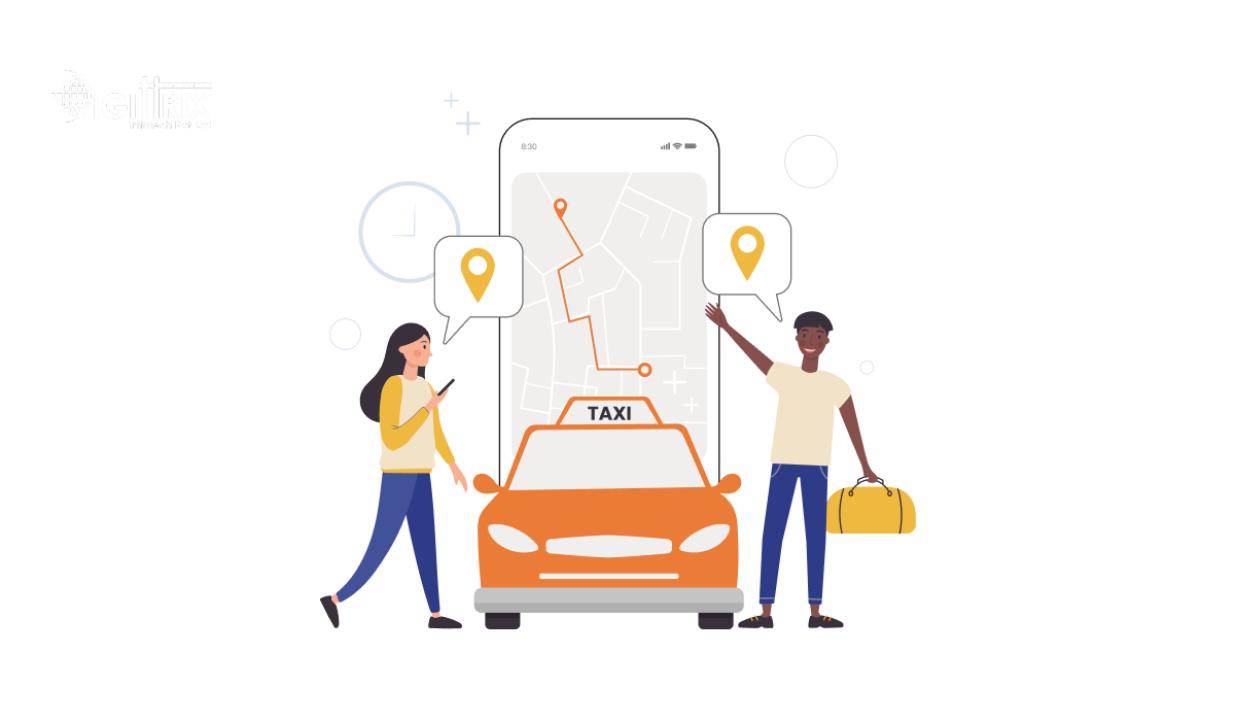
Feature selection directly impacts adoption and retention. Essential capabilities in taxi booking app development include user registration, real-time GPS tracking, fare estimation, driver allocation, in-app payments, and ratings. Advanced features such as surge pricing, analytics dashboards, and customer support tools further strengthen ride hailing app development. Buyers should prioritize features that solve real user problems rather than overloading the app with unnecessary complexity.
Designing a High-Impact On-Demand Ride Hailing App
User experience is central to platform success. A well-designed on-demand ride hailing app focuses on fast bookings, transparent pricing, and reliable ETAs. Buyers should ensure the on-demand ride hailing app supports personalization, multiple payment options, and clear communication during peak hours. Investing in UX-centric ride hailing app development improves satisfaction and positions the platform closer to the best ride hailing apps in the market.
Understanding Pricing Models and Development Costs
Pricing for ride hailing app development varies based on feature scope, technology stack, and scalability requirements. Basic taxi booking app development may cover core booking and payment flows, while advanced builds include AI-based dispatch, analytics, and integrations. Buyers should evaluate pricing not just as upfront cost but as total cost of ownership, including maintenance, upgrades, and infrastructure scaling.
Monetization and Revenue Streams
Understanding revenue levers is essential when calculating ROI. Common monetization models in ride hailing app development include commission per ride, surge pricing margins, subscriptions for drivers, and advertising partnerships. Well-planned taxi booking app development aligns monetization with user value, ensuring sustainable income without eroding trust. Platforms that balance pricing and value typically mirror the profitability patterns of the best ride hailing apps.
Mobile App Development and Performance ROI
Performance quality has a direct impact on ROI. High-standard mobile app development ensures fast load times, minimal crashes, and smooth transactions across devices. Buyers should validate mobile app development practices through testing, performance benchmarks, and optimization strategies. Reliable performance reduces churn, improves ratings, and maximizes returns from ride hailing app development investments.
Scalability, Integrations, and Long-Term Value
A smart buying decision considers future expansion. Scalable ride hailing app development supports city-wise configuration, new payment methods, and operational integrations. Buyers should ensure the platform can accommodate growth without major redesigns. Long-term ROI improves when taxi booking app development is flexible enough to adapt to regulatory changes and market demand.
Evaluating Shared Mobility Potential
Shared rides are increasingly relevant in cost-sensitive markets. Buyers should assess whether the platform roadmap includes carpooling app development. Early support for pooling features enhances utilization and opens additional revenue opportunities. Integrating carpooling app development within broader ride hailing app development improves sustainability and competitive differentiation.
Measuring ROI Beyond Revenue
ROI is not limited to direct earnings. Brand trust, user retention, and operational efficiency are equally important outcomes of strong ride hailing app development. Analytics-enabled taxi booking app development helps track KPIs such as customer lifetime value, acquisition costs, and service reliability. These insights guide continuous optimization and long-term profitability.
Final Words
Buying a ride hailing or taxi platform is a strategic investment that demands informed decisions. Thoughtful ride hailing app development, guided by an experienced ride hailing app development company, balances features, pricing, and scalability to maximize returns. By prioritizing performance-driven mobile app development, delivering a seamless on-demand ride hailing app, and planning ahead for innovation through carpooling app development, businesses can build resilient platforms that stand alongside the best ride hailing apps in India’s competitive mobility landscape.