Selecting the correct tow ball might seem like a simple task, but this small component plays a crucial role in ensuring safe and secure towing. Whether you're hauling a boat trailer, horse float, or family caravan, understanding tow ball specifications and options will help you make an informed decision that protects both your vehicle and cargo.
Understanding Tow Ball Basics
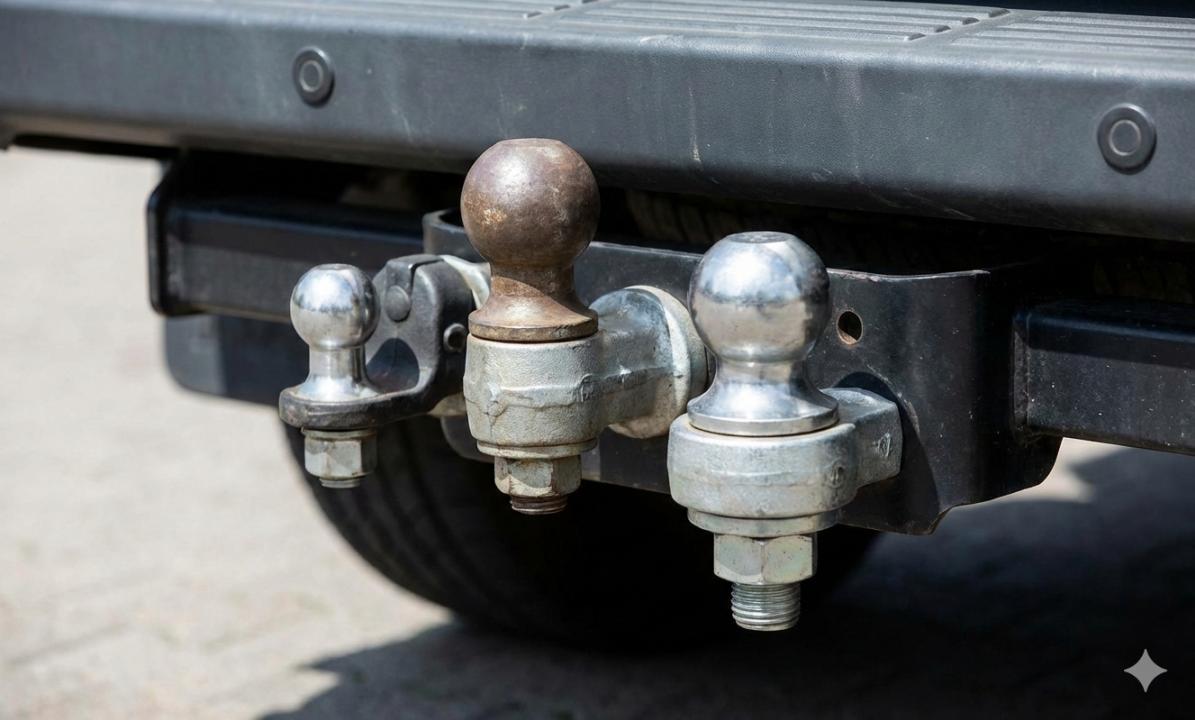
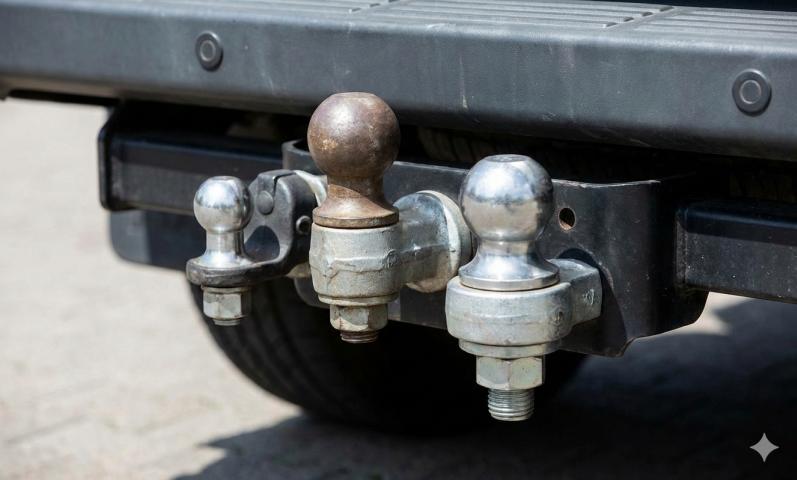
A tow ball serves as the critical connection point between your vehicle and trailer. This spherical coupling component attaches to your vehicle's tow bar and slots into the trailer's coupler, creating a pivot point that allows the trailer to follow your vehicle's movements while maintaining a secure connection.
The seemingly simple design of a tow ball conceals important engineering considerations. Manufacturers design these components to withstand enormous forces during towing, including the trailer's weight, dynamic loads from road conditions, and lateral forces during turns and lane changes.
Key Factors to Consider
Weight Ratings and Capacity
The most critical factor when selecting a tow ball is matching its capacity to your towing requirements. Every tow ball displays a rated capacity, typically ranging from 2,000 to 3,500 kilograms. This rating indicates the maximum weight the tow ball can safely handle.
Calculate your requirements by determining your trailer's Aggregate Trailer Mass (ATM), which represents the maximum loaded weight. Your tow ball's capacity must equal or exceed this figure. Never assume that because a tow ball fits your tow bar, it can handle your trailer's weight. Using an undersized tow ball creates serious safety risks, including potential failure while towing.
Tow Ball Diameter
Australian and international standards specify different tow ball diameters. The most common size in Australia is 50mm (approximately 2 inches), which suits most recreational trailers and caravans. However, you'll also encounter 1 7/8-inch balls on some imported equipment and lighter trailers.
Your trailer's coupler determines which diameter you need. Using the wrong size creates dangerous play in the connection, increasing wear and raising the risk of disconnection. Always verify your trailer coupler's specifications before purchasing a replacement tow ball.
Shaft Dimensions
The tow ball's shaft—the threaded portion that attaches to your tow bar—comes in various diameters and lengths. Standard shaft diameters include 16mm and 19mm, though other sizes exist. Your tow bar's receiver determines which shaft diameter you need.
Shaft length matters equally. The shaft must provide sufficient thread engagement in your tow bar while positioning the ball at the correct height for your trailer. Insufficient thread engagement compromises the connection's strength and safety.
When You Need an Extended Tow Ball
Understanding Extended Designs
An extended tow ball features a longer shaft that positions the ball further from the tow bar mounting point. This design addresses specific towing challenges that standard tow balls cannot accommodate.
Extended tow balls typically add 50mm to 150mm of additional length compared to standard models. This extra distance proves invaluable in several towing scenarios where clearance issues would otherwise prevent safe operation.
Clearance Solutions
The primary purpose of an extended tow ball involves creating clearance between your vehicle and trailer. Modern vehicles often feature rear-mounted spare tires, bikes, or other accessories that would interfere with a trailer's front during sharp turns. An extended design moves the pivot point forward, eliminating this contact risk.
Vehicles with aggressive departure angles or aftermarket rear protection systems also benefit from extended tow balls. The additional space prevents the trailer from striking vehicle components during driveway transitions or rough terrain navigation.
Drop and Rise Considerations
Extended tow balls also help achieve proper trailer height when used with drop hitches or rise hitches. Proper trailer leveling ensures even tire wear, optimal braking performance, and reduced stress on the coupling system.
Choosing Quality: The McHitch Advantage
Material and Construction Quality
Premium tow balls like those from McHitch utilize high-grade steel alloys engineered specifically for towing applications. These materials provide superior strength-to-weight ratios while resisting deformation under load.
Manufacturing quality significantly impacts tow ball performance and longevity. The McHitch tow ball range exemplifies proper engineering, featuring precision machining that ensures perfect spherical geometry for smooth articulation and minimal wear on your trailer's coupler.
Heat treatment processes further enhance tow ball durability. Quality manufacturers subject their products to controlled hardening procedures that create tough surface layers while maintaining core ductility, preventing brittle failure modes.
Corrosion Resistance
Environmental exposure subjects tow balls to harsh conditions including road salt, moisture, and UV radiation. Quality tow balls feature protective coatings or corrosion-resistant materials that maintain their integrity despite these challenges.
Chrome plating provides both aesthetic appeal and practical corrosion protection. However, regularly inspect plated surfaces for chips or damage that could allow rust to develop underneath the coating.
Installation and Safety Considerations
Proper Installation Techniques
Installing a tow ball requires attention to detail and proper torque specifications. Always use the correct fasteners—typically high-tensile bolts with appropriate washers and lock nuts. Never substitute standard hardware for towing-grade fasteners.
Torque specifications matter significantly. Under-tightening allows movement and wear, while over-tightening can damage threads or distort components. Consult your tow bar manufacturer's specifications and use a calibrated torque wrench for installation.
Regular Maintenance and Inspection
Tow balls require periodic inspection to ensure continued safe operation. Check for wear indicators including visible grooves, flat spots, or discoloration from overheating. Any of these signs indicates replacement is necessary.
Clean your tow ball regularly to remove accumulated dirt and grime. However, avoid lubricating the ball surface itself—lubricants attract dirt and can reduce friction needed for secure coupling. Only lubricate the trailer coupler's internal friction pads if specified by the manufacturer.
Making Your Final Decision
Choosing the right tow ball involves balancing multiple factors: capacity requirements, dimensional compatibility, quality construction, and specific application needs. Start by thoroughly understanding your trailer's specifications and towing requirements.
Consider investing in quality products from established manufacturers. While premium options like a McHitch tow ball cost more initially, their superior construction provides better safety margins and longer service life, ultimately delivering better value.
Remember that your towing system's safety depends on every component working together correctly. A quality tow ball represents a small investment compared to the value of your vehicle, trailer, and cargo—not to mention the safety of everyone on the road.
Take time to measure, research, and select the appropriate tow ball for your specific needs. When in doubt, consult with towing equipment specialists who can provide guidance based on your vehicle, trailer, and intended use. Safe towing starts with the right equipment, properly installed and maintained.