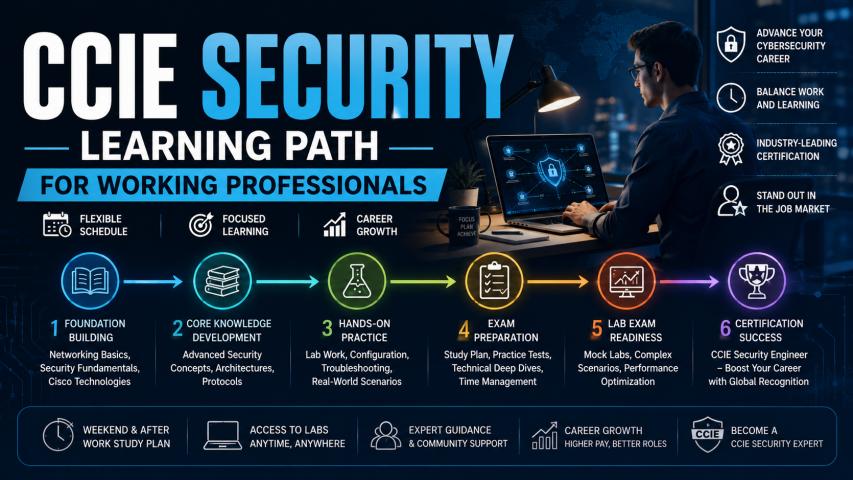

Career transitions are becoming increasingly common in India’s fast-evolving IT industry. Professionals from system administration, IT support, networking, cloud, or even application support roles often look to move into specialized security positions. For those considering CCIE Security Training in India, including structured pathways such as a Cisco CCIE Security Bootcamp, switching to CCIE Security can be a strategic step toward long-term career growth.
This blog explains how professionals from other IT roles can
transition into CCIE Security, what challenges to expect, and how to approach
the journey realistically.
Why Many IT Professionals Shift to CCIE Security
Cybersecurity has become a core business priority across
industries in India. Organizations need experts who can secure large, complex
networks rather than just manage systems or applications.
CCIE Security appeals to professionals because it represents
expert-level credibility, deeper technical ownership, and access to senior
roles. Compared to general IT positions, security roles often offer stronger
career stability and long-term relevance.
Common Backgrounds That Transition Well
Professionals from several IT roles are well positioned to
move into CCIE Security:
- Network
engineers already understand routing, switching, and traffic flow,
which are foundational for CCIE Security
- System
administrators bring strong troubleshooting and operational discipline
- IT
support engineers develop diagnostic skills and real-world
problem-solving ability
- Cloud
and infrastructure engineers understand modern hybrid environments
where security is critical
Each background brings transferable skills, even if direct
security exposure is limited.
Understanding the Skill Gap
The biggest challenge when switching roles is the skill gap
between current responsibilities and CCIE Security expectations. CCIE Security
requires deep understanding of network behavior, security architecture, and
fault-based troubleshooting.
Professionals must be prepared to strengthen networking
fundamentals and security concepts before attempting expert-level labs.
Recognizing this gap early helps set realistic timelines and prevents
frustration.
Building the Right Foundation
Before starting CCIE-level preparation, professionals should
focus on:
- Networking
fundamentals such as routing, switching, and traffic analysis
- Basic
security concepts including firewalls, VPNs, access control, and
segmentation
- Hands-on
troubleshooting rather than theoretical learning
This foundation makes the transition smoother and improves
the effectiveness of advanced training.
Shifting the Mindset from Support to Architecture
One of the most important changes is mindset. Many IT roles
are reactive—fixing issues as they arise. CCIE Security roles are proactive and
design-oriented.
Professionals must learn to think in terms of architecture,
risk reduction, and long-term security strategy. This shift takes time but is
essential for success at the CCIE level.
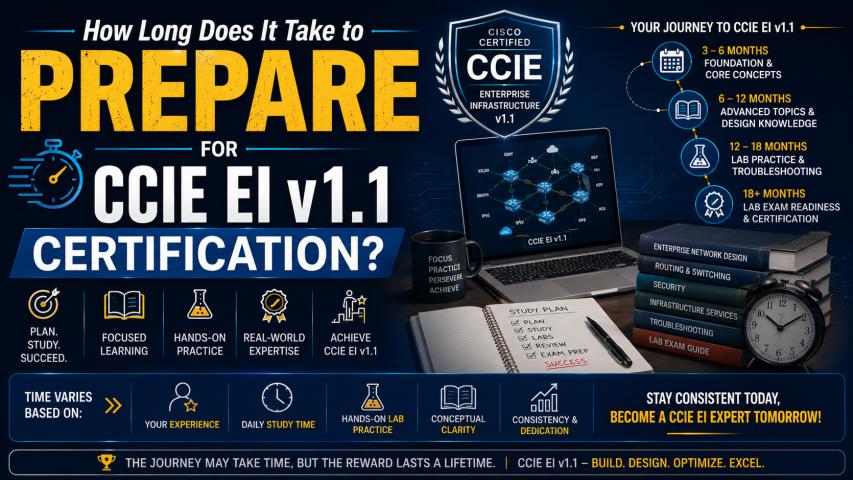
Managing the Transition While Working
Most professionals in India transition to CCIE Security
while continuing their current jobs. Time management and consistency are
critical.
A realistic study schedule, regular lab practice, and
incremental progress help balance work and preparation. CCIE Security should be
viewed as a long-term investment rather than a quick career switch.
Real-World Benefits Even Before Certification
One advantage of CCIE Security preparation is that benefits
often appear before certification is completed. Professionals begin to think
more analytically, troubleshoot more effectively, and understand enterprise
security design.
These improvements can lead to internal role changes,
increased responsibility, or better project involvement even during
preparation.
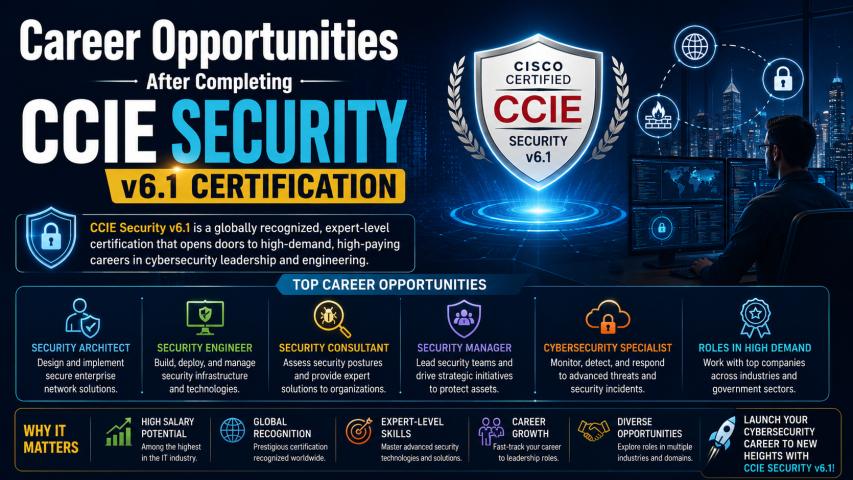
Career Opportunities After the Switch
In India, CCIE Security professionals find opportunities
across IT services, banking, telecom, cloud providers, and government projects.
Roles may include senior security engineer, network security architect, or
consultant.
Professionals who successfully switch from other IT roles
often bring a broader perspective, making them valuable in complex
environments.
Challenges to Be Prepared For
The transition is demanding. CCIE Security preparation
requires patience, discipline, and acceptance of a steep learning curve.
Initial progress may feel slow, especially for those without a networking
background.
However, consistent effort and structured learning gradually
close the gap.
Conclusion
Switching to CCIE Security from other IT roles in India is
challenging but achievable with the right approach. By building strong
fundamentals, developing an architectural mindset, and committing to long-term
preparation, professionals can successfully transition into expert-level
security careers.
For those investing in CCIE Security Training in India,
whether through a structured program or a Cisco CCIE Security Bootcamp, the
journey may be demanding—but it offers significant professional growth, career
stability, and long-term relevance in India’s evolving cybersecurity landscape.