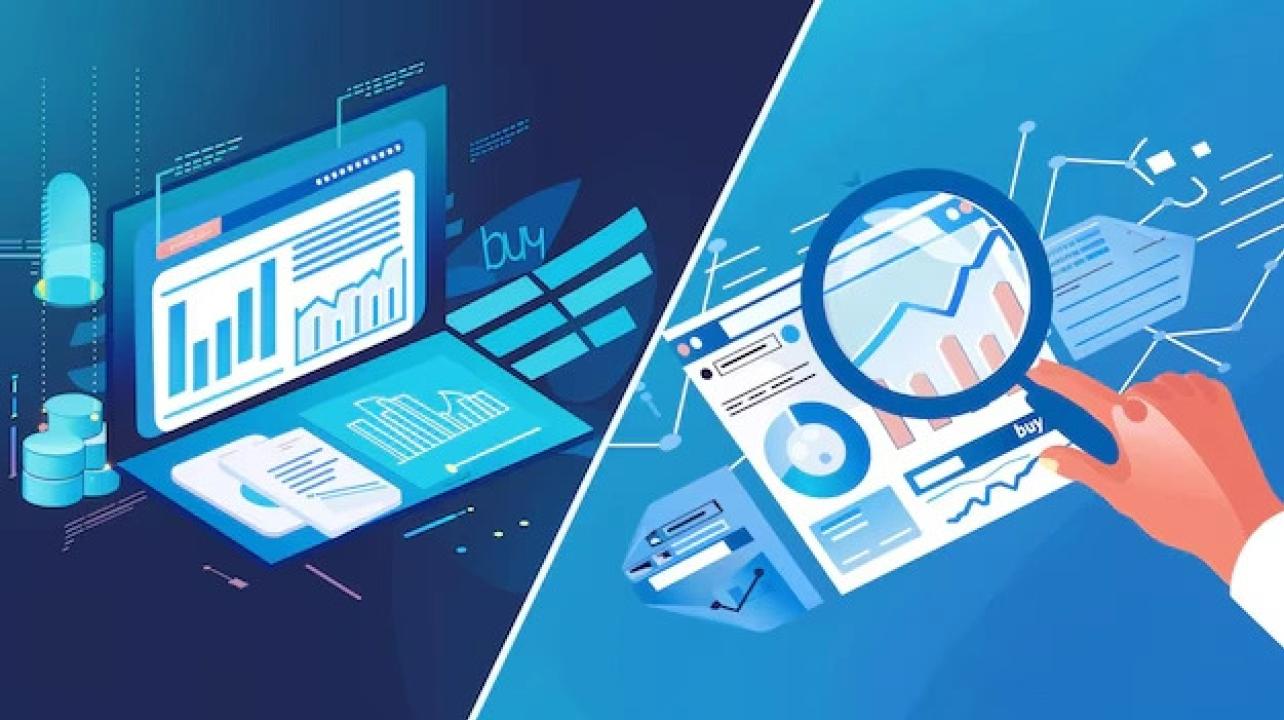
India is witnessing a massive digital transformation. With millions of new internet users coming online every year, businesses are rapidly shifting their focus from traditional advertising to online channels. In 2026, this shift has accelerated even further, driven by mobile-first audiences, AI-powered platforms, and performance-focused marketing strategies.
As a result, Digital Marketing in India is no longer just an option for brands—it has become a core growth engine. From startups and SMEs to large enterprises and institutions, organizations across sectors are investing heavily in digital channels to reach, engage, and convert their audiences more effectively than ever before.
Key Takeaways
-
Understand the key factors driving rapid digital marketing growth in India
-
Learn how technology, data, and consumer behavior are shaping the industry
-
Discover opportunities and challenges businesses face in the Indian market
-
Explore practical insights to leverage digital marketing more effectively
-
See why digital-first strategies are essential for long-term growth
1. Massive Growth in Internet and Smartphone Users
India has one of the largest and fastest-growing online populations in the world. Affordable smartphones and low-cost data plans have made internet access available to users across urban and rural regions.
This widespread connectivity has expanded the digital audience base, giving businesses access to millions of potential customers online. Digital platforms now reach audiences that traditional media could never target with such precision or scale.
For brands, this creates endless opportunities to engage users where they spend most of their time—online.
2. Shift in Consumer Buying Behavior
Indian consumers are more informed, research-driven, and digitally active than ever before. Before making a purchase, users compare prices, read reviews, watch videos, and search for recommendations online.
This behavior has made search engines, social media, and content platforms critical touchpoints in the customer journey. Businesses that fail to establish a strong digital presence risk losing trust and visibility.
Digital marketing allows brands to influence decisions at every stage of the buying process.
3. Cost-Effective Marketing for All Business Sizes
One of the biggest reasons SEO Company in India is growing rapidly is affordability. Compared to traditional advertising, digital campaigns require lower investment and offer measurable returns.
Small businesses and startups can compete with larger brands by targeting specific audiences, locations, and interests. Flexible budgets and performance-based models make digital marketing accessible to everyone.
This democratization of marketing has fueled widespread adoption across industries.
4. Rise of Local and Regional Language Content
India’s linguistic diversity has played a major role in digital growth. Platforms now support multiple regional languages, enabling brands to connect with audiences in their preferred language.
Localized content builds trust, improves engagement, and drives higher conversions. Businesses that adapt their messaging for regional markets gain a strong competitive edge.
This localization trend continues to push digital marketing deeper into Tier 2 and Tier 3 cities.
5. Growth of E-Commerce and Online Services
The rapid expansion of e-commerce, fintech, edtech, and healthtech platforms has accelerated digital marketing demand. Online-first businesses rely heavily on SEO, paid ads, content marketing, and analytics to drive growth.
Even traditional brick-and-mortar brands are adopting digital channels to support omnichannel strategies.
As online competition increases, businesses invest more in digital marketing to stand out and acquire customers efficiently.
6. Advanced Targeting and Data-Driven Insights
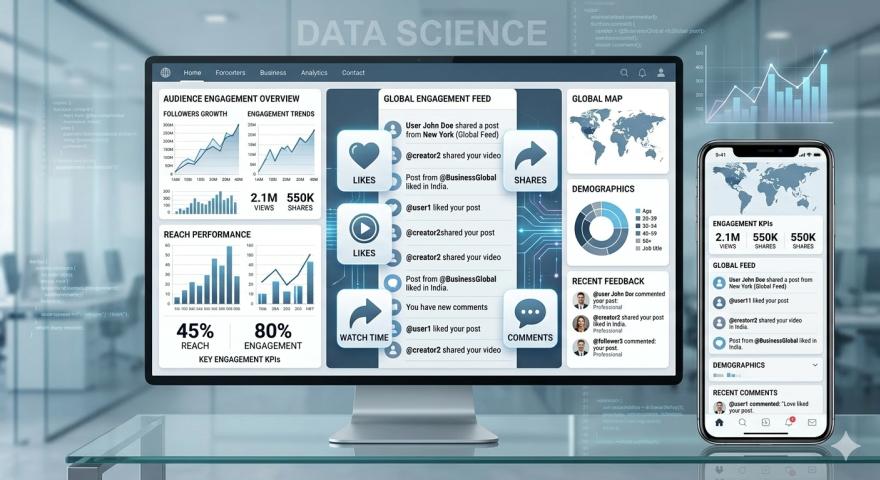
Digital marketing provides access to detailed data and audience insights. Businesses can track user behavior, campaign performance, and conversion paths in real time.
This data-driven approach allows marketers to optimize campaigns continuously and improve ROI. Instead of guessing what works, brands make informed decisions based on actual performance.
Data transparency is a major advantage over traditional advertising.
7. Influence of Social Media and Creator Economy
Social media platforms have become powerful marketing channels in India. Influencers, creators, and community-driven content play a key role in shaping brand perception.
Short-form videos, live commerce, and interactive content formats have transformed how brands communicate with audiences. Businesses leverage these platforms to build relationships, not just run ads.
This engagement-driven model has significantly boosted digital marketing adoption.
8. AI and Automation in Marketing Strategies
AI-powered tools are reshaping how campaigns are planned, executed, and optimized. From predictive analytics to automated bidding and personalization, technology is driving efficiency and scale.
In 2026, AI helps businesses deliver relevant content at the right time to the right audience. Automation reduces manual effort while improving accuracy and performance.
This innovation makes digital marketing more effective and future-ready.
9. Measurable ROI and Performance Tracking
Unlike traditional marketing, digital campaigns offer clear performance metrics. Businesses can track impressions, clicks, leads, sales, and customer lifetime value.
This transparency builds confidence and encourages higher investment. Marketing teams can justify budgets and refine strategies based on measurable outcomes.
For decision-makers, this accountability is a key driver of continued growth.
10. Increasing Demand for Skilled Digital Talent and Agencies
As competition intensifies, businesses seek expert support to manage complex digital ecosystems. This has led to rising demand for professional services, tools, and specialized skills.
Companies partner with experienced teams to handle SEO, paid media, analytics, content, and automation. The ecosystem continues to mature as more businesses recognize the value of expert-led digital strategies.
This trend further accelerates the growth of digital marketing across India.
Challenges Businesses Must Navigate
While growth is strong, challenges remain. Rising competition increases ad costs, algorithm changes require constant adaptation, and data privacy regulations demand compliance.
Businesses must stay agile, invest in learning, and adopt best practices to succeed. Those who treat digital marketing as a long-term strategy—not a quick fix—see the best results.
Understanding both opportunities and limitations is essential for sustainable success.
Best Practices to Leverage Digital Marketing Effectively
Organizations should start with clear goals and audience understanding. Investing in quality content, user experience, and data tracking builds a strong foundation.
Regular performance analysis, testing, and optimization help maintain competitiveness. Collaboration between internal teams and external experts ensures strategies remain aligned with business objectives.
A structured, data-driven approach delivers consistent growth.
Take the Next Step Toward Digital Growth
The rapid rise of Digital Marketing in India reflects changing consumer behavior, technological innovation, and the need for measurable results. Businesses that embrace digital-first strategies position themselves for long-term success in an increasingly competitive market.
Working with a trusted Digital Marketing Agency enables organizations to navigate complexity, adopt innovation, and build sustainable growth powered by data, creativity, and expertise.