Even after a seemingly thorough cleaning, many homes still harbor a type of dirt that never seems to go away — residual dirt. It’s not the obvious dust on the coffee table or the smudges on the mirror. It’s the ground-in soil, embedded grime, and invisible buildup that sits deep in carpets, grout, upholstery, and high-traffic surfaces.
In Northern Virginia, the combination of seasonal pollen, humidity, construction dust, tracked-in soil, and everyday foot traffic makes residual dirt a common and stubborn challenge. At Cleaning Fairies VA, we’ve seen homes sparkle on the surface — yet still hold hidden layers of dirt that affect air quality, comfort, and tenant health.
In this article, we’ll explain what residual dirt really is, where it hides, why it’s tough to remove, and how professional cleaning strategies actually work.
👉 Original article:
https://cleaningfairiesva.com/residual-dirt-cleaning-northern-virginia/
What Is Residual Dirt?
Residual dirt refers to soil and grime that isn’t removed with standard surface cleaning. Unlike visible dust or fresh stains, residual dirt:
✔ Is deeply embedded in fabrics, tile grout, and carpet fibers
✔ Can accumulate within air vents, baseboards, and upholstery
✔ Contributes to lingering odors
✔ May trigger allergies or respiratory discomfort
Even when a home looks “clean,” residual dirt can make indoor air feel heavy, oily surfaces look dull, and cleaning seem like a never-ending task.
Why Residual Dirt Is So Common in Northern Virginia
Northern Virginia homes face a unique blend of dirt-producing factors:
Seasonal Humidity
High humidity traps airborne particles and allows them to stick to surfaces more easily.
Pollen & Outdoor Allergens
In spring and fall, pollen enters homes through shoes, clothing, windows, and pets — then settles into carpets, upholstery, and floors.
Urban Construction & High Traffic
New developments and regular neighborhood activity kick up dust that winds up indoors.
Foot Traffic Patterns
Busy entryways, hallways, and living spaces naturally accumulate soil in hard-to-reach areas.
The result? A layer of dirt that sneaks below the surface, resists quick cleaning, and slowly builds up over time.
The Difference Between Surface Dirt and Residual Dirt
Here’s a simple way to understand it:
Dirt Type | Visible | Easily Removed | Affects Air Quality |
Surface Dirt | ✔️ Yes | ✔️ Yes | ❌ Sometimes |
Residual Dirt | ❌ No | ❌ No (without deep cleaning) | ✔️ Often |
This difference is why two homes can look equally clean, yet one feels fresher — and one doesn’t.
Where Residual Dirt Hides
Residual dirt isn’t always where you expect it. Some common hiding spots include:
🔹 Carpet fibers and padding
🔹 Tile grout lines
🔹 Upholstered furniture
🔹 Behind appliances
🔹 Air vents and ducts
🔹 Window tracks and sliding doors
🔹 Baseboards and molding edges
Because it hides deep, surface cleaning alone rarely gets rid of it.
Why Standard Cleaning Isn’t Enough
Regular cleaning — vacuuming, wiping, sweeping — removes what’s on top but often leaves behind what’s embedded.
Why? Because residual dirt:
✔ Clings to fibers
✔ Bonds with humidity
✔ Accumulates in hidden crevices
✔ Builds up beneath surface layers
In many cases, professional cleaning is the only approach that fully removes these deposits.
The Professional Cleaning Advantage
Professional cleaners use tools and techniques that go beyond standard home methods:
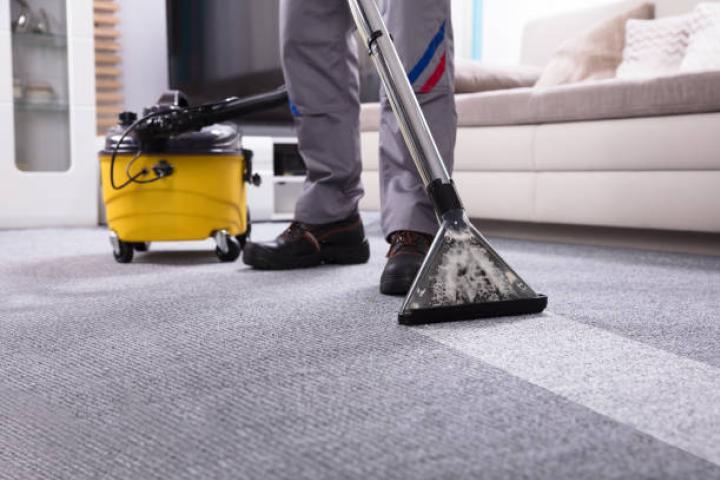
✔ Deep Extraction Carpet Cleaning
High-pressure carpet systems pull soil from deep within fibers.
✔ Grout & Tile Deep Cleaning
Specialized solutions dissolve buildup that ordinary mops can’t touch.
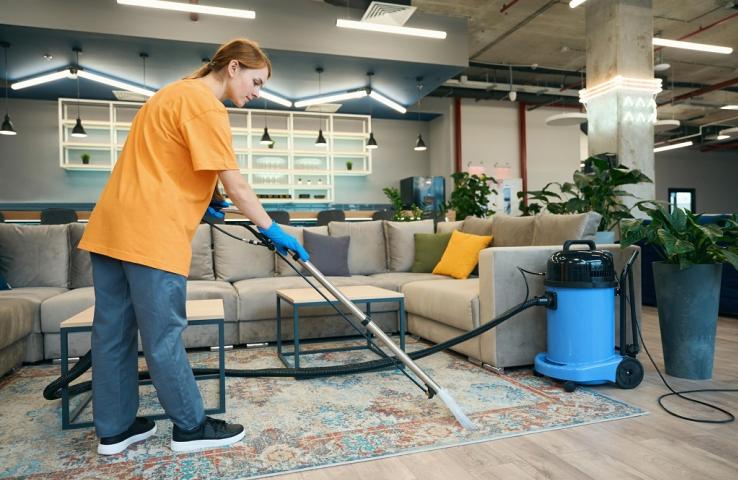
✔ Upholstery Sediment Removal
Targeted extraction gets ground-in dirt out of furniture, not just around it.
✔ Air Vent & Duct Cleaning
Removes dust, lint, and allergens circulating through your HVAC system.
These methods don’t just look better — they improve indoor air quality and reduce dust that always returns after a regular clean.
Residual Dirt and Your Health
Hidden dirt isn’t just cosmetic — it impacts comfort and health:
✔ More allergens in the air
✔ Potential for lingering odors
✔ Increased respiratory irritation
✔ Dust accumulation on electronics and surfaces faster
For families with allergies, asthma, or pets, deep cleaning isn’t a luxury — it’s a hygiene priority.
How Often Should Deep Cleaning Be Done?
The ideal rhythm varies by home, but here’s a general guideline:
🧹 Weekly: Surface cleaning in high-traffic areas
🧼 Monthly: Dusting vents, wiping baseboards, decluttering
🧽 Seasonal: Professional deep carpet & tile cleaning
🧯 Annually: Full upholstery & vent cleaning
This layered approach keeps residual dirt from becoming embedded in the first place.
Simple Habits That Reduce Residual Dirt
While professional cleaning is powerful, daily habits also make a difference:
✔ Use doormats at every entrance
✔ Encourage shoe removal indoors
✔ Keep HVAC filters clean
✔ Dust regularly with microfiber cloths
✔ Vacuum high-traffic zones more often
These habits reduce the amount of soil entering the home and slow the accumulation of residual dirt.
Final Thoughts
Residual dirt is one of the biggest reasons homes never feel truly clean, even after regular tidying. In Northern Virginia, where pollen, humidity, and traffic dust are everyday realities, addressing this deeper grime makes all the difference.
Deep cleaning isn’t just about aesthetics — it’s about healthier air, fresher surfaces, and a home that feels clean from top to bottom.
👉 Learn more about tackling residual dirt in Northern Virginia homes:
https://cleaningfairiesva.com/residual-dirt-cleaning-northern-virginia/
Clean surfaces. Clear air. Peace of mind.