The digital world has shifted from "keyword matching" to "entity-based understanding." Google’s algorithms no longer just look for the words Digital Marketing, Content Marketing, or Social Media Marketing on a page; they look for the relationship between these concepts. To dominate search engine results pages (SERPs), a brand must demonstrate expertise, authoritativeness, and trust (E-E-A-T) across all these channels simultaneously.
1. The Evolution of Digital Marketing: Beyond the Click
Digital marketing is the holistic engine that drives business growth in the virtual space. However, the modern definition has evolved. It is no longer just about running Google Ads using AI Ad Generator or having a website; it is about creating a seamless ecosystem where every digital touchpoint serves the user.
The Role of Semantic Search
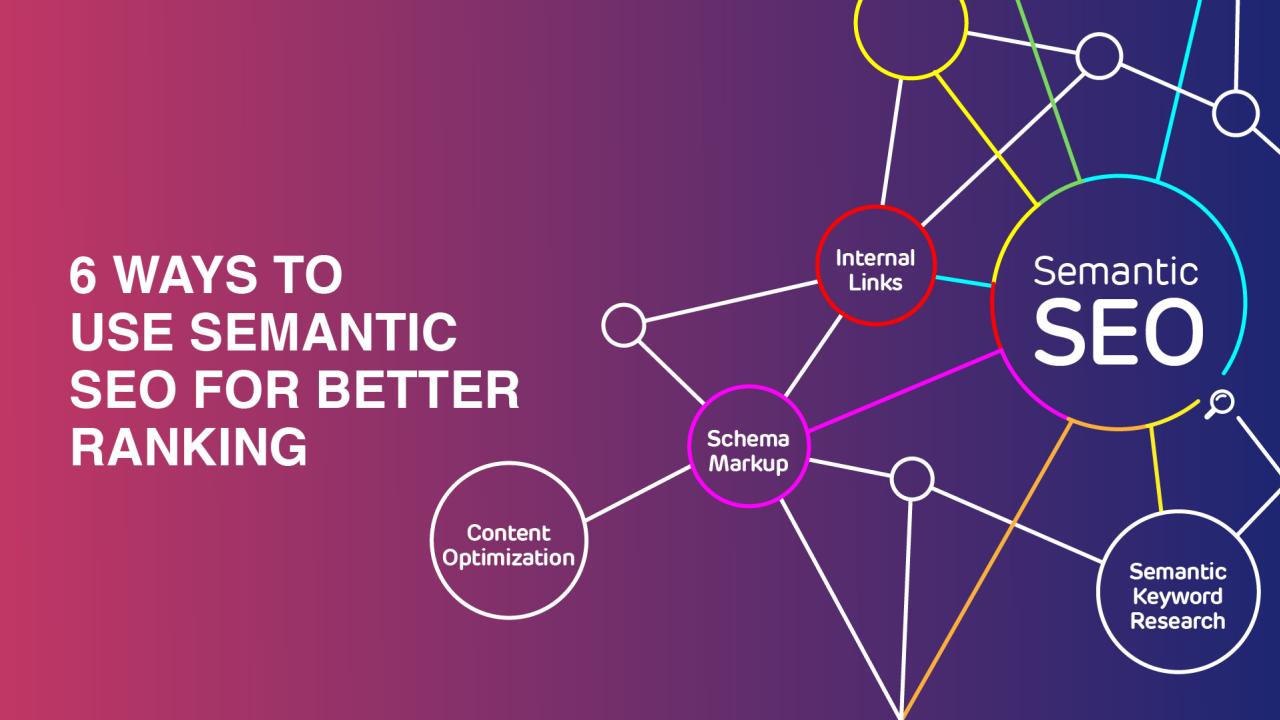
In the past, SEO was about repeating a keyword 10 times. Today, Semantic SEO focuses on "topics" rather than "keywords." Search engines now use Natural Language Processing (NLP) to understand the intent behind a query. For instance, if a user searches for digital marketing strategies, the engine expects to find related entities like "conversion rates," "customer acquisition," and "data analytics."
To succeed, your digital marketing must be built on providing comprehensive answers to user problems, not just chasing high-volume search terms.
2. Content Marketing: The Strategic Core
If digital marketing is the framework, content marketing is the substance. It is the process of creating valuable, relevant, and consistent material to attract and retain a clearly defined audience.
Building Topical Authority
To rank for competitive terms, you must establish Topical Authority. This means you shouldn’t just write one blog post about "marketing tips." Instead, you create a "Topic Cluster":
Pillar Page: A comprehensive guide to Digital Marketing.
Cluster Content: Specific articles on Content Marketing, Email Marketing, and Social Media Trends.
Internal Linking: Connecting these articles to show search engines the depth of your knowledge.
Writing for Humans, Optimizing for Search
Real human-centric content focuses on readability and utility. High-quality content marketing avoids "fluff" and addresses the reader's pain points directly. When users spend more time on your page (dwell time) and engage with your links, it sends a powerful signal to Google that your content is authoritative, which naturally boosts your SEO rankings.
3. Social Media Marketing: The Multiplier Effect
Many marketers mistakenly believe that social media does not directly affect SEO. While "Likes" and "Shares" are not direct ranking factors, the Social Media Marketing ecosystem creates a ripple effect that significantly impacts your search visibility.
Driving Brand Signals and Traffic
When you promote your content on platforms like LinkedIn, X (Twitter), or Instagram, you drive immediate traffic to your site. This influx of visitors tells search engines that your site is a popular destination for specific topics. Furthermore, social media profiles often rank on the first page of Google for brand name searches, making them essential for "Reputation Management."
The Feedback Loop
Social media acts as a real-time focus group. By observing which topics get the most engagement, you can refine your Content Marketing strategy. If a short video about "SEO Tips" goes viral on TikTok, it is a clear sign that you should produce a long-form, deep-dive article on that topic for your website.
4. The Synergy: How the Three Pillars Work Together
To achieve maximum ROI, these three elements must function as a single unit:
Insight Generation: Utilize Social Media to Identify the Questions Your Audience Is Asking.
Asset Creation: Develop high-quality Content Marketing assets (blogs, whitepapers, videos) that answer those questions.
Optimization and Distribution: Use Digital Marketing tactics (SEO and Paid Media) to ensure that content reaches the right people at the right time.
Feature | Digital Marketing | Content Marketing | Social Media Marketing |
Primary Goal | Conversion & ROI | Education & Trust | Engagement & Awareness |
SEO Impact | Technical & Structural | Topical Authority | Brand Signals & Reach |
Value Type | Transactional | Informational | Conversational |
5. Future-Proofing Your Strategy
As we move further into an AI-driven search era (SGE - Search Generative Experience), the quality of your information matters more than ever. Generic, AI-generated "filler" content is being devalued. Search engines are prioritizing:
First-hand experience: Adding personal insights that a bot cannot replicate.
Multimedia Integration: Combining text with original images and video.
User Intent Alignment: Ensuring the content actually solves the user's specific problem.
Technical SEO Checklist for 2026
Core Web Vitals: Ensure your site loads fast and is mobile-friendly.
Schema Markup: Use structured data to help engines understand your "entities" (Digital Marketing, etc.).
Secure Browsing: HTTPS is a non-negotiable standard for trust.
Conclusion
Digital Marketing is no longer a game of tricks; it is a game of value. By integrating Content Marketing to build trust and Social Media Marketing to build community, you create a robust foundation for Semantic SEO. When you stop writing for bots and start writing for the person behind the screen, your search rankings will follow naturally.
The most successful brands of the future will be those that provide the most "help" to their users across every digital channel.