Environmental Test Chambers: Testing Products for Extreme Conditions
Product performance is not only about design and functionality—it is also about how well a product survives in different environmental conditions. From scorching heat to freezing cold, from high humidity to dry air, products are exposed to many challenges during their life cycle. Environmental test chamber are the essential tools that help manufacturers evaluate and improve product durability under such conditions.
Understanding Environmental Test Chambers
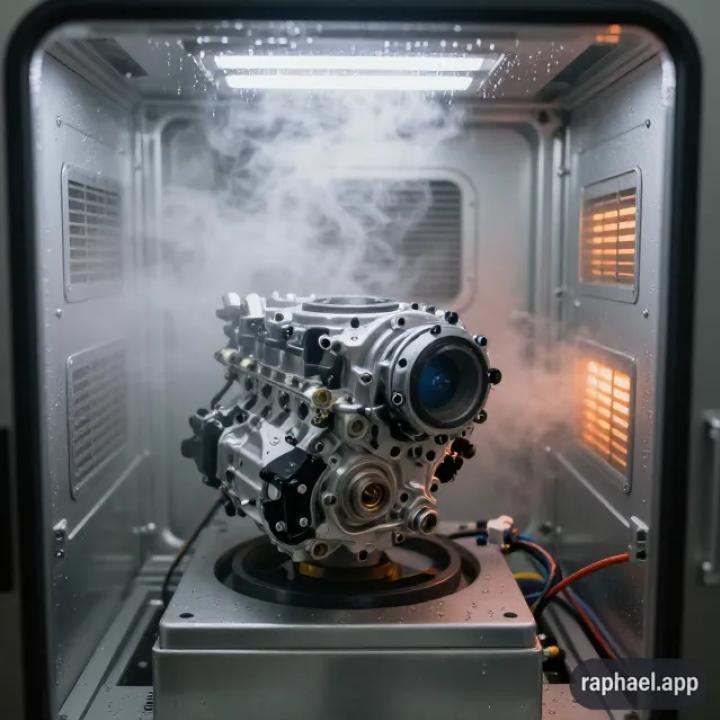
An environmental test chamber is a specialized testing system that creates controlled environmental conditions to examine how materials, components, and finished products respond to climate stress. These chambers are widely used in research labs, quality testing departments, and manufacturing units.
They help simulate natural environments in a laboratory setting, allowing accurate testing without waiting for real-world exposure.
Types of Tests Performed
Environmental chambers can perform a wide range of tests, such as:
Temperature cycling tests
Humidity resistance tests
Thermal shock testing
Corrosion resistance using salt spray
Dust and sand ingress testing
Altitude simulation
Vibration endurance testing
Each test provides valuable data on product reliability and performance.
Industries That Rely on Environmental Testing
Environmental test chambers are essential across multiple industries:
Electronics and electrical equipment
Automotive and EV components
Aerospace and defense systems
Pharmaceutical and medical devices
Battery and renewable energy products
Packaging and material testing
These industries depend on environmental testing to meet safety standards and customer expectations.
Benefits of Using Environmental Test Chambers
Detect product design flaws early
Improve product lifespan and reliability
Ensure compliance with international standards
Reduce product failure and warranty claims
Enhance customer trust and brand reputation
Conclusion
Environmental test chambers are a cornerstone of modern quality assurance. By simulating harsh environmental conditions, they allow manufacturers to create products that are strong, reliable, and ready for real-world challenges. Investing in proper environmental testing is not just about compliance—it’s about delivering excellence and durability in every product.