Wheat-based ingredients have been part of global cooking traditions for centuries, but not everyone is familiar with one of its most interesting derivatives: wheat starch. While it may sound similar to wheat flour, wheat starch has very different properties and culinary uses. From delicate dumplings to silky sauces, this ingredient plays a unique role in kitchens around the world.
In this guide, we’ll explore what wheat starch is, how it’s made, and how it’s used in cooking to create distinctive textures and results.
What Is Wheat Starch?
Wheat starch is the starch component extracted from wheat flour after the gluten (protein) has been removed. Wheat flour contains both starch and gluten, but through a washing and separation process, the gluten is removed, leaving behind a fine, white powder that is nearly pure starch.
Because most of the protein is removed, wheat starch behaves very differently from regular wheat flour. It does not form elastic dough on its own, and instead is prized for the smooth, translucent, and slightly chewy textures it can create when cooked.
How Is Wheat Starch Made?
The production of wheat starch begins with wheat flour being mixed with water to form a dough. This dough is then washed repeatedly. During this process, the gluten proteins form a sticky mass that can be separated, while the starch disperses in the water. The starchy liquid is then dried into a powder, which becomes wheat starch.
This separation process is similar to how vital wheat gluten is made, but in this case, the focus is on isolating the starch rather than the protein.
Key Characteristics of Wheat Starch
Understanding the properties of wheat starch helps explain why it is so useful in cooking:
- It produces a smooth and glossy texture when heated with liquid
- It creates a slightly chewy and elastic bite when steamed or boiled
- It thickens sauces without becoming cloudy
- It has a neutral taste, allowing other flavors to shine
These characteristics make it especially popular in Asian cuisines, where texture is just as important as flavor.
Popular Culinary Uses of Wheat Starch
One of the most famous uses of wheat starch is in dim sum and other Chinese dishes. It is a key ingredient in creating soft, translucent dumpling wrappers that are difficult to achieve with regular flour.
Dumpling Wrappers: Wheat starch is often combined with tapioca starch to make dough for crystal dumplings, such as har gow (shrimp dumplings). When steamed, the wrappers become slightly transparent and tender, giving these dumplings their signature appearance and texture.
Noodles and Doughs: In some regional recipes, wheat starch is added to noodle dough or specialty doughs to adjust texture. It can make noodles softer and smoother while reducing elasticity.
Thickening Agent: Like other starches, wheat starch can be used to thicken soups, sauces, and gravies. However, it provides a clearer, more refined finish compared to wheat flour. This makes it suitable for light-colored sauces where appearance matters.
Coatings and Batters: Wheat starch is sometimes used in coatings for frying. It can help create a light and crisp outer layer while keeping the inside tender. Because it browns less than flour, it is often mixed with other starches for balanced results.
Wheat Starch vs Wheat Flour
Although both come from wheat, they serve very different purposes in cooking. Wheat flour contains gluten, which gives structure and elasticity to bread and baked goods. Wheat starch, on the other hand, contains little to no gluten and cannot be used alone to make bread.
Instead, wheat starch is chosen for its ability to influence texture without adding heaviness. It is ideal for delicate dishes where a smooth, glossy, or chewy finish is desired.
Using Wheat Starch at Home
Home cooks who enjoy experimenting with Asian recipes will find wheat starch especially useful. When working with it:
- Always mix it with hot or boiling water when making dumpling dough
- Combine it with other starches for better elasticity
- Stir it into cold water before adding to hot liquids when thickening sauces
Because it has a fine texture, it blends easily and produces lump-free results when handled correctly.
Storage and Shelf Life
Wheat starch should be stored in an airtight container in a cool, dry place. Like other starches, it has a long shelf life when kept away from moisture. Proper storage ensures it maintains its smooth texture and thickening ability over time.
A Valuable Ingredient for Texture-Focused Cooking
Texture is a crucial part of many culinary traditions, and wheat starch offers a unique way to achieve results that regular flour cannot provide. Whether you’re making delicate dumplings, glossy sauces, or specialty batters, it adds a professional touch to homemade dishes.
Conclusion
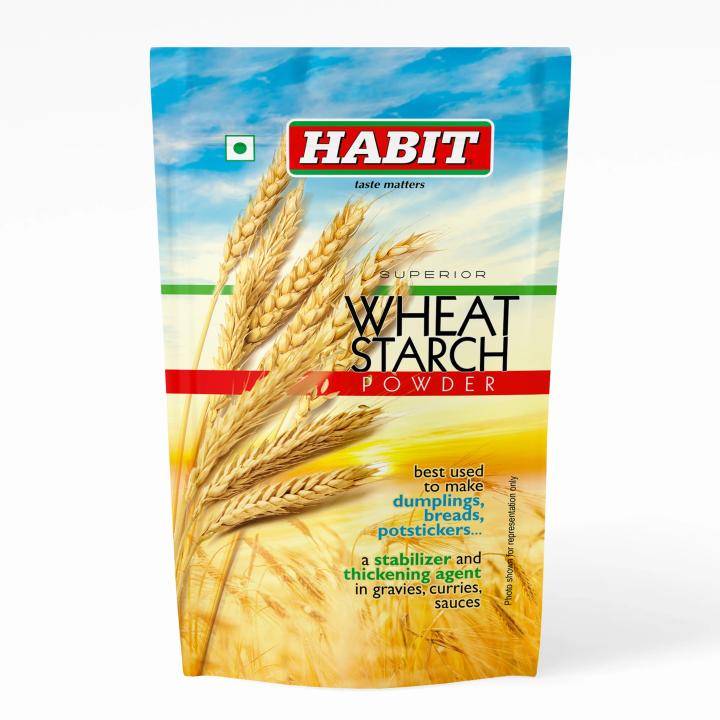
From traditional dim sum to modern kitchen experiments, wheat starch continues to be an essential ingredient for cooks who care about texture and presentation. Its ability to create smooth, translucent, and tender results makes it stand out among other starches. For those looking to explore high-quality options for their cooking needs, HABIT offers reliable wheat starch that helps bring authentic recipes and creative dishes to life with the perfect consistency every time.