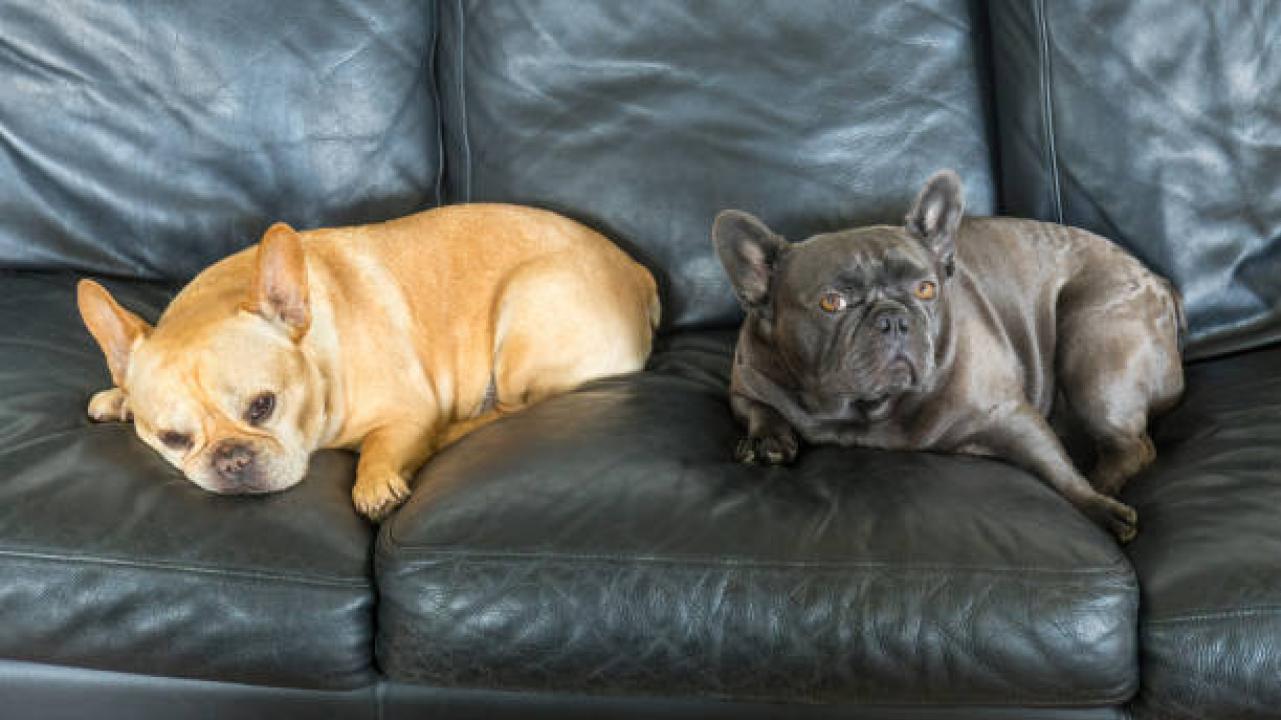
For several years in a row, the French Bulldog has officially claimed the top spot as the number one most popular dog breed in America. This "bat-eared" wonder has done the impossible by unseating the Labrador Retriever, a breed that held the title for over three decades. But why is everyone so obsessed with these compact companions? From their charming personalities to the incredible rainbow of colors they come in, Frenchies have become the ultimate status symbol and best friend for modern families.
The Reign of the Number One Breed
The French Bulldog’s rise to the top was not an accident. They have held the #1 ranking for three consecutive years. This reflects a massive shift in how people live. As more families move into urban environments and smaller homes, the demand for a low-energy, highly affectionate "apartment dog" has skyrocketed. Frenchies fit perfectly into the modern life>
Why Everyone Loves the Frenchie
The appeal of a French Bulldog puppy is immediate. They have large, expressive eyes and a "smushy" face that triggers an instant emotional connection. Unlike many high-energy breeds, Frenchies are chill. They are content to binge-watch your favorite show on the couch. They are also notoriously hilarious. Often called the "clowns of the dog world," their playful antics and strange vocalizations, including grunts, yips, and talking, make them endless sources of entertainment.
A Rainbow of Rare and Exotic Colors
One of the most exciting aspects of the breed is the sheer variety of colors and patterns. When you look at a litter of Frenchies, you aren't just looking at dogs; you are looking at a palette of genetic art. We can break these down by base colors and the patterns that make them unique.
The Classic Standards Frenchie Colors
These are the colors that built the breed's history.
Fawn: This is the quintessential Frenchie color. It ranges from a light tan to a deep, vibrant red fawn. Most fawn dogs feature a beautiful black mask that highlights their soulful eyes.
Cream: Unlike a light fawn, a true cream is a consistent, light, and velvety color. These dogs usually do not have a black mask, giving them a soft, clean appearance.
White: A rare but stunning standard, a solid white coat makes a Frenchie look like a little marble statue.
Brindle: This is a mesmerizing mix of black and fawn or brown hairs. Brindle can range from sparse "tiger stripes" to a very dark "black brindle" that looks almost solid until the light hits it.
Standard French Bulldog Patterns & Markings
Pied: A pied Frenchie features a primarily white coat with distinct patches of brindle or fawn. These "cow spots" are highly symmetrical and give the dog a very sporty look.
Black Mask: This classic marking creates a dark muzzle and face, providing a sharp contrast to fawn or red coats.
White Markings: Many standard-colored dogs feature small white spots on the chest or toes, adding a touch of personality to a solid coat.
The Rare Colors: Blue, Lilac, and Isabella
The "dilute" colors are where the exotic French Bulldog world truly begins to shine.
Blue: A stunning slate-gray color. Blue Frenchies come in solid, blue and tan (also known as blue tri or blue tricolor), and the mesmerizing blue and tan merle.
Lilac: Created by a combination of blue and chocolate DNA, lilac Frenchies have a warm, purplish-gray hue. You will see these in solid lilac, lilac and tan, and the highly sought-after lilac and tan merle.
Isabella: This is the rarest of the dilute colors. It is a pale, shimmering champagne-beige. Isabella and tan (Isabella tri) puppies are often considered the crown jewel of exotic colors, especially in the Isabella and tan merle pattern.
The Rich Earth Tones: Chocolate and Rojo
Chocolate: A deep, dark brown that looks like a Hershey’s bar. These come in chocolate and tan (chocolate tricolor) and chocolate and tan merle.
Rojo: A newer, intense reddish-brown that is distinct from standard chocolate. Rojo and tan and rojo and tan merle puppies have a glow that is unlike any other color in the breed.
Patterns That Pop: Merle and Tri-Color
Patterns can be layered over almost any base color.
Merle: This pattern creates patches of mottled color over a base. It is random and unique, meaning no two merle Frenchies look exactly the same.
Tricolor/Tan Points: This pattern adds "eyebrows," cheek spots, and leg markings in a secondary color (usually tan or cream). Whether you call them "blue and tan" or a "blue tri color," these markings give the dog a very "dog-like" and regal appearance.
The "Fluffy" Revolution: Longhaired French Bulldogs
One of the most massive trends in 2026 is the Fluffy Frenchie. These dogs carry a specific "L" gene that results in a longer, softer coat, especially around the ears and neck. They aren't just soft; they are visual masterpieces. From a solid blue fluffy to a lilac and tan merle fluffy, these dogs represent the high-end of the exotic Frenchie world.
Size, Weight, and "Teacup" Frenchies
How big does a Frenchie get? A standard French Bulldog usually weighs between 18 and 28 pounds. They stand about 11 to 13 inches tall. They are "all muscle," which is why they feel heavier than they look.
Teacup, Mini, and Exotic Frenchie Sizes
You will often hear terms like Teacup Frenchie, Mini Frenchie, or Exotic Frenchie. While "Teacup" isn't an official AKC classification, it refers to dogs bred to stay on the smaller side of the spectrum, often under 18 pounds. These "Mini" versions are perfect for travelers or those with very limited space. They retain the same "cobby" (short and thick) body type but in a scaled-down version.
Life as a Brachycephalic Breed
French Bulldogs are a brachycephalic breed. This is a scientific term that describes their unique skeletal structure. It simply means they have a broad, short skull and a flattened face. This is what gives them those adorable wrinkles and that unmistakable "pushed-in" nose.
Understanding the "Squish"
Because of this facial structure, Frenchies breathe differently than a Golden Retriever or a German Shepherd. They are "efficient" breathers but not "heavy-duty" breathers. This is why you hear them snorting, snoring, or making "piggy" noises. It is part of their charm, but it also dictates how they live their lives.
Climate and Temperature: Keep it Cool
Because they are brachycephalic, Frenchies cannot cool themselves down as effectively as long-nosed dogs. They do not pant as efficiently. This means they are sensitive to extreme temperatures.
Summer Care: Frenchies should be kept in air-conditioned environments during the heat of the day. They are not dogs that can go on long hikes in 90-degree weather.
Winter Care: On the flip side, their short coats mean they get chilly easily. A Frenchie in a sweater isn't just a fashion statement; it's often a necessity in the Northeast or colder climates!
The Perfect Family Pet
Are French Bulldogs good with kids? Yes! They are known for being patient and sturdy. Unlike tiny toy breeds that can be fragile, the Frenchie is a "tank." They can handle the clumsy love of a toddler. They also tend to get along well with other pets, making them a top choice for multi-dog households.
Training and Intelligence
Frenchies are smart, but they are also stubborn. They have a "what’s in it for me?" attitude. Using positive reinforcement and treats is the best way to get them to listen. They aren't going to win an agility trial, but they can easily learn the basic commands that make them a polite member of the household.
Why the Demand Remains High
The reason Frenchies stay at #1 is because they are a "life>
Finding Your Perfect Match
When looking for a Frenchie, the variety is your best friend. Do you want a classic Fawn to remind you of the breed’s roots? Or are you looking for a Lilac and Tan Merle Fluffy to turn heads at the park? Regardless of the color or pattern, the soul of the dog remains the same: a loyal, loving, and hilarious companion.
Tan Points/Tri: The markings over the eyes and on the legs.
Merle: The mottled, "spotted" coat pattern.
Dilute: Colors like Blue, Lilac, and Isabella.
Cobby: The short, thick, and muscular body type.