Android apps have been a cornerstone of mobile innovation for more than a decade. As we step into 2026, Android app development continues to evolve at a breathtaking pace. What once started as simple apps for communication, gaming, and utilities is now a dynamic ecosystem led by artificial intelligence, immersive experiences, advanced hardware capabilities, and increasingly personalized user engagement. Android app development in 2026 is all about creating intelligent, secure, and adaptive experiences that work across devices—from phones and wearables to foldable screens and increasingly capable IoT systems.
In this blog, we explore the current landscape of Android development, dive deep into emerging trends, examine the most powerful tools, discuss best practices, and outline key considerations like android app development cost, how to hire android app developers, and what to expect from a custom android app development company in today’s market.
Section 1: The State of Android App Development in 2026
Android remains the world’s most widely adopted mobile operating system, powering billions of devices worldwide. Google’s consistent investment in the platform ensures that Android app development stays at the forefront of innovation.
Growth and Opportunity
- Expanding Device Ecosystem: Beyond smartphones, Android runs on tablets, foldables, Chromebooks, wearables (Wear OS), automotive systems (Android Automotive), and a growing range of IoT devices.
- AI Integration: Artificial Intelligence and Machine Learning are no longer optional add-ons—they are core expectations embedded into features like personalized recommendations, voice assistants, predictive analytics, and context-aware user interfaces.
- Global Developer Community: Hundreds of thousands of developers worldwide continue to contribute to Android’s vibrant ecosystem via open-source contributions, libraries, plugins, and tools.
Whether you’re a business owner planning your first app or a CTO thinking about expanding mobile presence, understanding this landscape is critical when you hire android app developers or partner with a custom android app development company.
Section 2: Key Trends in Android App Development
Let’s take a closer look at the major trends shaping Android development in 2026:
1. AI-Powered Smart Apps
Artificial Intelligence drives user expectations for intelligent, adaptive experiences.
Use Cases:
- Context-aware personalization
- Natural language interfaces
- AI-driven automation
- On-device machine learning for privacy
AI frameworks like TensorFlow Lite, ML Kit, and Android’s Neural Networks API are widely used to build responsive and predictive user experiences.
2. Modular & Dynamic Feature Delivery
Google’s Dynamic Feature Modules have revolutionized app size management and performance. Instead of bundling everything in one massive APK, developers can now deliver features on demand.
Advantages:
- Faster initial downloads
- Personalized feature access
- Better performance on low-end devices
This is especially useful in large apps like e-commerce platforms or enterprise tools, where users only load what they need.
3. Jetpack Compose & Modern UI Development
Jetpack Compose, Android’s modern UI toolkit, continues to gain popularity. Its declarative approach cuts down boilerplate code and simplifies the creation of rich, responsive user interfaces.
Benefits:
- Faster UI iteration
- Better support for animations and responsive design
- Improved developer productivity
- Seamless integration with existing Android workflows
Compose is now considered the standard for Android UI design in most new projects.
4. Cross-Platform Strategies
While Android remains a unique platform, developers are increasingly choosing cross-platform frameworks for efficiency and code reuse.
Notable Choices:
- Flutter: Built by Google, it allows building native-like performance apps for Android and iOS with a single codebase.
- Kotlin Multiplatform: A rising choice for sharing logic across Android, iOS, and backend systems.
However, when high performance, deep platform integration, or hardware-specific features are needed, businesses still prefer native Android development.
5. Wearables, Automotive & Multi-Screen Experiences
Android’s reach beyond phones continues expanding:
- Wear OS: Fitness apps, health tracking, notifications, smart assistants
- Android Automotive: Native in-car infotainment experiences controlled with voice and touch
- Foldable & Large Screens: Optimized layouts and multi-window support
Developers now consider multi-screen adaptability a baseline requirement.
6. Privacy & Security First
User privacy isn’t just desirable—it’s essential.
Key aspects include:
- Scoped storage for file access
- Runtime permissions
- Encrypted communications
- On-device processing for sensitive data
Android’s regular policy updates place strong emphasis on user privacy, meaning developers must stay compliant with evolving standards globally.
Section 3: Tools Powering Android App Development in 2026
Creating high-quality apps requires the right set of tools. Here are the essentials that every Android developer should know:
1. Android Studio – The Core IDE
Android Studio remains the official, most powerful development environment for Android apps. With built-in profilers, emulators, layout editors, and powerful debugging tools, it’s the heart of Android development.
2. Jetpack Libraries
Jetpack is a suite of libraries that help developers write robust, maintainable code:
- Lifecycle components
- Navigation
- Room database
- Paging
- Security components
Jetpack accelerates development and reduces boilerplate code.
3. AI & Machine Learning Frameworks
- TensorFlow Lite: Run machine learning models on Android devices with hardware acceleration.
- ML Kit: Easy-to-use SDK for common ML tasks like text recognition, face detection, translation, and more.
These tools help developers deliver smart, real-time experiences that run efficiently on mobile hardware.
4. Firebase – Backend as a Service (BaaS)
Firebase provides ready-to-use backend services:
- Realtime Database / Firestore
- Authentication
- Cloud Functions
- Analytics
- Crashlytics
Using Firebase saves time and infrastructure cost—especially for startups and MVPs.
5. Flutter & Dart
For projects where cross-platform speed matters, Flutter continues to be a popular choice. Its rich widget library and hot-reload capabilities make it ideal for rapid prototyping and multi-platform support.
6. CI/CD & Testing Tools
- Firebase Test Lab
- GitHub Actions
- Bitrise
- JUnit, Espresso, UI Automator
Automated testing and continuous deployment pipelines are now indispensable parts of modern app development.
Section 4: Best Practices in Android App Development
Trends and tools are only part of the equation. Successful Android apps also follow industry-standard best practices.
1. Design for Performance First
Excellent apps prioritize performance:
- Minimize memory usage
- Efficient networking
- Lazy loading of content
- Optimize UI rendering with Jetpack Compose
Performance directly affects retention and ratings.
2. Focus on UX & Accessibility
Good design isn’t just about how things look—it’s about usability:
- Clear navigation
- Easy-to-read fonts
- Color contrast for accessibility
- Support for screen readers
A clean, intuitive interface reduces user churn and boosts engagement.
3. Modular Architecture
Use architectures like MVVM (Model-View-ViewModel) or MVI (Model-View-Intent) to organize code cleanly, improve testability, and future-proof apps.
4. Comprehensive Testing Strategy
Automated tests (unit, integration, UI) reduce bugs and increase reliability. Regular testing with emulators across different Android versions and devices is essential due to Android’s fragmented ecosystem.
5. Security as a Priority
Security must be integrated from day one:
- Secure authentication
- Encrypted storage
- Secure API communication
- Regular vulnerability scanning
This is especially important for apps handling financial, health, or personal information.
6. Efficient Updates & Monitoring
Use tools like in-app update APIs and remote configuration to deliver seamless features, bug fixes, and control rollout strategies.
Section 5: Android App Development Cost in 2026
Understanding android app development cost is crucial for planning and budgeting. Costs can vary widely, depending on project complexity, resources, and development approach.
Factors Influencing Cost
-
App Complexity
- Simple apps (basic functionality): Lower cost
- Medium complexity (backend integration, APIs): Moderate cost
- Complex apps (AI, real-time features, custom animations): Higher cost
-
Design Requirements
- Custom UI/UX design increases development time and cost
-
Backend Infrastructure
- Cloud services, databases, and APIs add to cost
-
Third-Party Integrations
- Payment gateways, analytics, location services, etc.
-
Maintenance & Updates
- Ongoing cost for support, security patching, and version upgrades
-
Team Location
- Developers from different regions (US, Europe, Asia) command different rates
Typical Cost Ranges (2026 Estimates)
| App Type | Estimated Development Cost |
|---|---|
| Simple Android App | $10,000 – $30,000 |
| Medium Complexity | $30,000 – $80,000 |
| Complex Enterprise App | $80,000 – $250,000+ |
These are generalized estimates. Accurate cost breakdowns require detailed project scoping.
When evaluating costs, weigh quality long-term impact vs upfront savings. Investing in performance and scalability now can reduce maintenance cost later.
Section 6: How to Hire Android App Developers in 2026
Whether you are a startup founder or enterprise leader, knowing how to hire android app developers effectively is key to project success.
What to Look For
- Strong Kotlin Skills: Kotlin is the modern language of choice for Android.
- Experience with Jetpack & Modern Libraries
- Testing and Debugging Expertise
- UI/UX Sensibilities
- Experience with AI/ML or Security (if required for your project)
Hiring Options
-
In-House Developers
- Best for long-term products requiring ongoing iteration
-
Freelancers
- Ideal for small projects or short-term tasks
-
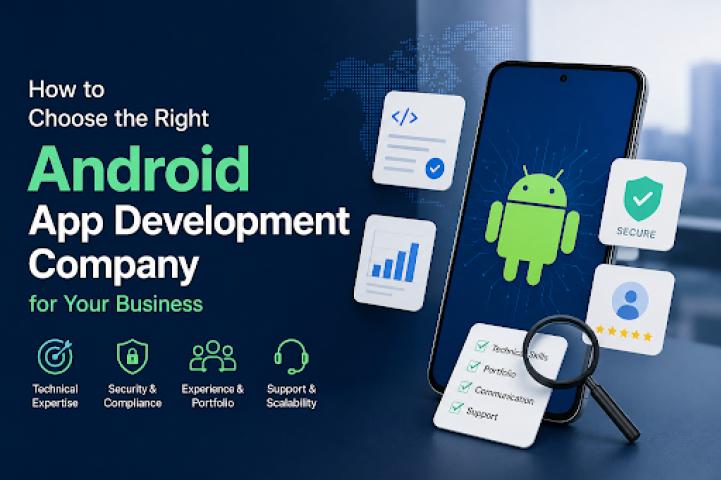
Dedicated Teams from a Custom Android App Development Company
- Balanced option with expertise, project support, and scalable resources
Section 7: Why Partner with a Custom Android App Development Company?
Many businesses opt to work with a custom android app development company instead of handling development internally. Here’s why:
Benefits of Hiring a Development Company
- Access to Experienced Teams
- Faster Time to Market
- Professionally Managed QA & Testing
- Scalable Resources
- Post-Launch Support
- Cross-Platform & Consulting Expertise
A good company not only builds your app but also offers strategic insights—from product design to deployment and growth.
When choosing a partner, look for:
- Portfolio of successful Android apps
- Clear development process
- Strong communication
- Transparent cost estimation
Section 8: Preparing for the Future Beyond 2026
The Android ecosystem continues to evolve:
Looking Ahead
- Augmented Reality (AR) & Virtual Reality (VR)
- Deeper Integration with Wearables & IoT
- Enhanced Voice & Gesture Interfaces
- AI-Generated Content & Automation
- Sustainable, Energy-Efficient Development Practices
Developers and businesses who stay adaptable, invest in learning, and proactively innovate will lead the next wave of mobile experiences.
Conclusion
Android app development in 2026 is about depth, intelligence, and quality. The landscape blends powerful new technologies with modern design philosophies. Whether you are planning a new idea, evaluating android app development cost, or deciding whether to hire android app developers or partner with a custom android app development company, the focus should be on delivering value, performance, and secure experiences.