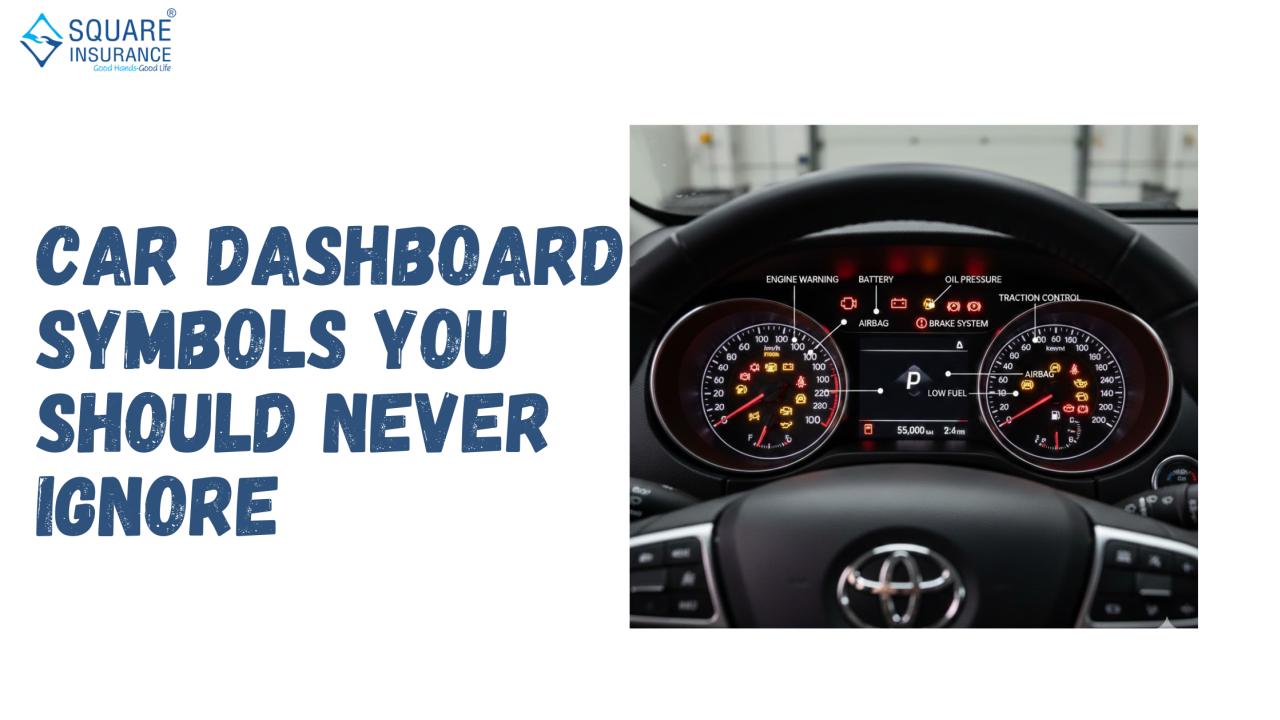
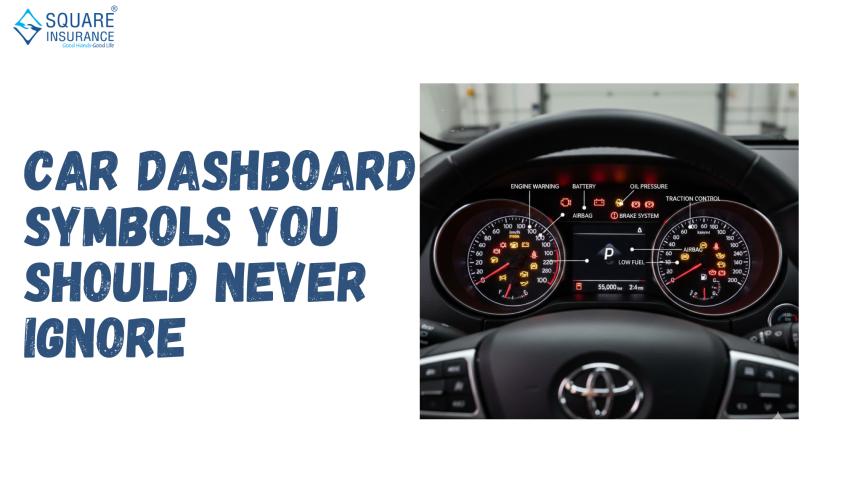
Your car dashboard is more than just
a collection of gauges and lights—it’s the communication hub between your
vehicle and you. Every symbol, warning light, or indicator is designed to alert
you to a specific issue, maintenance requirement, or safety concern. Ignoring
these signals can lead to serious mechanical failures, costly repairs, or even
accidents.
Understanding Car Dashboard Lights and Symbols is essential for every driver. This guide
explains the most critical dashboard indicators, what they mean, and how to
respond to them, ensuring safer driving and smoother vehicle maintenance.
Why
Car Dashboard Symbols Matter
Modern cars come equipped with
dozens of dashboard lights and symbols. While some are simple reminders, others
indicate urgent mechanical or safety issues. Knowing which symbols require
immediate attention can help you:
- Prevent serious damage to the engine, brakes, or
transmission
- Maintain optimal vehicle performance
- Avoid accidents caused by unnoticed warning signs
- Ensure compliance with vehicle insurance and
maintenance requirements
Ignoring dashboard warnings not only
risks your safety but may also affect your insurance claims if the car is
involved in an accident.
Common
Car Dashboard Symbols You Should Never Ignore
1.
Engine Warning Light (Check Engine Light)
The engine warning light is one of
the most critical indicators on your dashboard. It usually looks like a small
engine or “CHECK ENGINE” text.
What it means:
- Engine malfunction
- Low oil pressure or overheating
- Fuel system issues or sensor malfunctions
Action:
- Pull over safely
- Check engine oil and coolant levels
- Schedule immediate inspection with a certified mechanic
2.
Battery Warning Light
This light typically looks like a
battery and indicates an issue with the vehicle’s charging system.
What it means:
- Weak or failing battery
- Alternator malfunction
- Loose or corroded battery connections
Action:
- Turn off unnecessary electrical systems
- Avoid driving long distances
- Have the battery and alternator checked immediately
3.
Brake Warning Light
The brake warning light is usually
red and can appear as an exclamation mark inside a circle or “BRAKE.”
What it means:
- Low brake fluid
- Worn brake pads
- Malfunction in the brake system
Action:
- Do not drive if the brakes feel weak
- Check brake fluid level
- Consult a mechanic immediately
4.
Oil Pressure Warning Light
Typically shown as an oil can
symbol, this light indicates low oil pressure.
What it means:
- Low oil level
- Faulty oil pump or oil leak
Action:
- Stop the car immediately
- Check oil level and top up if needed
- Avoid driving until resolved, as engine damage can
occur
5.
Temperature Warning Light
This symbol looks like a thermometer
inside a liquid container and signals engine overheating.
What it means:
- Low coolant level
- Faulty radiator or thermostat
- Overworked engine
Action:
- Pull over and turn off the engine
- Allow the engine to cool before checking coolant
- Seek mechanical help if overheating persists
6.
Tire Pressure Warning Light
Represented as an exclamation mark
inside a tire icon, this indicates low tire pressure.
What it means:
- Underinflated tires
- Puncture or slow leak
Action:
- Check tire pressure using a gauge
- Inflate to manufacturer-recommended levels
- Inspect for tire damage if light persists
7.
ABS Warning Light
The ABS (Anti-lock Braking System)
light usually displays as “ABS” in a circle or rectangle.
What it means:
- Malfunction in ABS system
- Brake sensors may be faulty
Action:
- Drive cautiously, as ABS may not function properly
- Get the ABS system inspected by a professional
8.
Airbag Warning Light
The airbag symbol appears as a
seated figure with a circle representing the airbag.
What it means:
- Airbag malfunction
- Fault in seatbelt pretensioners or sensors
Action:
- Avoid relying solely on airbags for safety until fixed
- Consult a professional for airbag system repair
9.
Fuel Warning Light
This light looks like a fuel pump
and indicates low fuel levels.
What it means:
- Fuel tank is running low
Action:
- Refuel as soon as possible to avoid running out
- Avoid repeated deep depletion, which can harm the fuel
pump
10.
Traction Control or Stability Warning Light
Usually displayed as a car with skid
marks or “TCS/ESP,” this light indicates a traction or stability system issue.
What it means:
- Slippery road conditions or wheel spin
- Possible malfunction in traction/stability control
system
Action:
- Reduce speed and drive cautiously
- Get the system inspected if the light remains on
Tips
to Stay Ahead of Dashboard Warnings
- Regular Maintenance:
Follow the manufacturer’s service schedule for oil changes, brake checks,
and inspections.
- Read the Owner’s Manual: Each symbol may vary slightly by make and model.
- Use Diagnostic Tools:
Many cars support OBD-II scanners for quick checks.
- Don’t Ignore Yellow or Red Lights: Yellow indicates caution; red signals immediate
action.
- Record Keeping:
Maintain service and repair records for insurance and resale purposes.
Conclusion
Your car dashboard is a vital
communication tool, alerting you to mechanical, safety, and maintenance issues.
Understanding car dashboard symbols you
should never ignore is crucial to protect yourself, your passengers, and
your vehicle from serious damage or accidents.
At Square Insurance, we
emphasize the importance of timely maintenance and awareness of vehicle
systems. Accurate documentation of your car’s condition and features can ensure
smooth insurance processing, quicker claims, and safer driving experiences.
Staying alert to dashboard warnings not only prolongs your vehicle’s life but
also provides peace of mind on every journey.
Frequently
Asked Questions
1. What does a red warning light
mean on my dashboard?
Red lights indicate serious issues that require immediate attention, such as
engine overheating or brake failure.
2. Can I drive if a yellow warning
light is on?
Yellow or amber lights are cautionary. You can drive, but you should inspect or
service the vehicle soon.
3. Why does my check engine light
come on intermittently?
It may indicate minor sensor issues or intermittent engine problems. A
diagnostic check can identify the cause.
4. Does dashboard warning affect
insurance claims?
Ignoring critical warnings can lead to damage that may not be covered under
insurance claims. Timely servicing ensures protection.
5. Are all dashboard symbols the
same for every car?
No, symbols can vary slightly by manufacturer. Always refer to your car’s owner
manual for specifics.
6. How can I quickly identify
important dashboard warnings?
Red lights signal urgent issues, yellow lights are cautionary, and green/blue
lights usually indicate system operation or information.