
So here's the thing about shipping fragile stuff — it's not just about throwing something in a box and hoping for the best. Anyone who's ever opened a package to find shattered glass or cracked ceramics knows that sinking feeling. The right packaging matters. A lot.
When you're dealing with delicate items, picking the right box isn't some minor detail you can skip over. It's actually... Well, it's pretty much everything. And if you think any old cardboard box will do the job? Think again.
Why Box Size Actually Matters More Than You'd Think
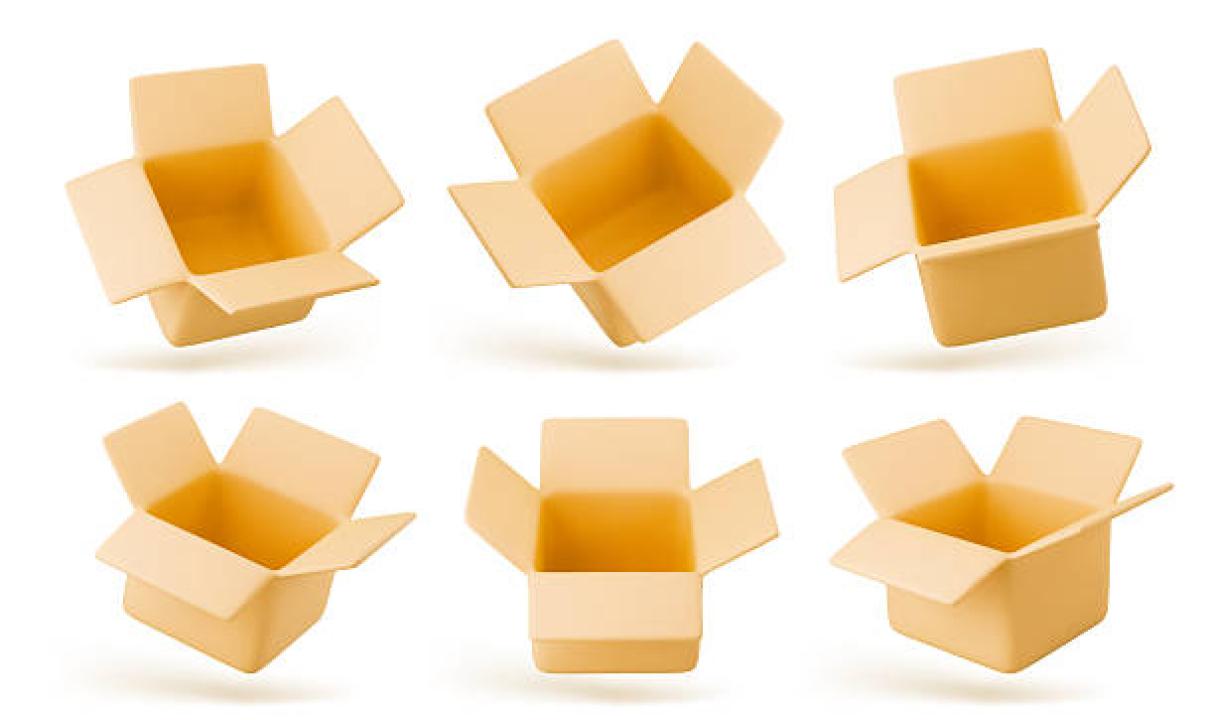
Small shipping cardboard boxes aren't just regular boxes that happen to be smaller. There's a whole science behind why size matters when you're protecting fragile items during transit. Too big, and your item bounces around like a pinball machine — which, yeah, not great. Too small and you can't add enough cushioning material to actually protect anything.
The sweet spot? About 1-2 inches of extra space on all sides. That gives you room for bubble wrap, foam peanuts, or whatever protective material you're using. Ucanpack actually manufactures their boxes with this principle in mind, offering sizes that work for real-world shipping scenarios instead of just... random dimensions.
Think about it — have you ever tried cramming something fragile into a box that's just slightly too small? The stress alone is enough to make anyone nervous. And when carriers are handling hundreds of packages per hour, that box is gonna get tossed around no matter what.
The Corrugated Wall Strength Factor
Here's where things get interesting. Not all cardboard is created equal, and if you're shipping something that could break, you need to understand ECT ratings. Sounds technical, right? It kinda is, but stick with me here.
ECT stands for Edge Crush Test — basically how much pressure a box can handle before it collapses. For small fragile items, you want at least ECT-32 single wall strength. That's the standard that actually protects stuff. Going cheaper might save a few pennies per box, but... is it worth it when you're replacing broken merchandise?
Ucanpack's boxes come in different strength ratings, which is actually pretty smart. Because sometimes you need that ECT-44 or even ECT-48 double wall protection. One small business owner learned this the hard way when shipping handmade pottery — used the cheapest boxes available and lost nearly 15% of shipments to damage. Switched to proper ECT-rated boxes from a reliable manufacturer and the damage rate dropped to less than 1%. That's not just better for the bottom line... that's also way less heartbreak when you've poured hours into creating something.
Ordering Small Shipping Boxes in Bulk Makes Financial Sense
Let's talk about money for a second. If you're running any kind of business that ships products regularly, buying small shipping boxes bulk is one of those no-brainer decisions that somehow people still overthink.
The math is simple — bulk pricing can save anywhere from 15-30% compared to buying boxes as you need them. And when you're shipping multiple items per week? Those savings add up fast. Like, really fast.
Ucanpack offers bulk discounts starting at just 25 boxes per size, which is pretty accessible even for smaller operations. You don't need to be Amazon to get wholesale pricing. Just need to think ahead a little bit.
Plus there's the convenience factor. Ever run out of boxes right when you have orders to fulfill? It's frustrating. Having a stack of properly-sized boxes ready to go means you can actually focus on your business instead of making emergency runs to the store.
Storage Isn't As Complicated As People Make It
Okay, so one concern people have about buying in bulk is storage space. Fair point. But small boxes? They stack flat, they don't take up much room, and honestly... you're probably wasting more space on stuff you don't actually need.
A bundle of 25-50 small boxes can fit in a closet, under a desk, or in a corner of your garage. And because they're flat until you fold them into shape, the storage footprint is minimal. Ucanpack's boxes arrive flat-packed too, which makes a huge difference compared to pre-assembled boxes that would take up way more space.
Material Quality Separates Good Boxes From Bad Ones
This part matters more than most people realize. The quality of the corrugated material itself — the actual cardboard composition — determines whether your box holds up during shipping or turns into a sad, soggy mess.
Premium shipping boxes use virgin or high-quality recycled fibers that maintain their structural integrity even when they get bumped around in delivery trucks. Cheap boxes? They start falling apart if they get even slightly damp or take a hard hit.
What makes Ucanpack stand out here is they manufacture their boxes in the USA using materials that meet strict quality standards. That consistency matters. You're not gambling on whether this batch of boxes will be as good as the last one — they're produced to the same specifications every time.
And let's be real... fragile items need that consistency. You can't protect something delicate if the box itself is already compromised.
Eco-Friendly Options That Actually Work
Sustainability is becoming more important to customers — and honestly, to business owners too. The good news? Corrugated cardboard boxes are already one of the most eco-friendly packaging options available.
Most quality shipping boxes are made from up to 95% recycled content and are 100% recyclable themselves. That's a pretty good environmental story to tell your customers. Ucanpack specifically offers eco-friendly options that don't sacrifice protection for sustainability, which used to be a trade-off you had to make.
Plus, using properly-sized small boxes means you're not wasting materials. Every inch of cardboard has an environmental cost — why use more than you need?
Matching Box Types to Your Specific Fragile Items
Different fragile items need different box approaches. Glassware has different needs than electronics. Ceramics ship differently than cosmetics in glass bottles. Getting this match right is... well, it's kind of an art and a science at the same time.
For glass items, you want boxes with smooth interiors and enough crush resistance to handle stacking. Double wall construction makes sense here. For electronics, you might prioritize boxes that resist moisture and static. For handmade crafts, presentation matters alongside protection.
Ucanpack's range includes options like white shipping boxes that look more professional when customers open them, which adds to the unboxing experience. Sometimes that matters as much as the protection itself — especially for gift items or premium products.
The Role of Box Closure in Protecting Contents
Here's something people overlook — how the box closes and seals affects protection levels. A box that pops open during shipping? Yeah, that's not protecting anything.
Look for boxes with adequate flap overlap and compatible sealing options. Quality tape matters too, but the box design itself should facilitate a secure closure. The standard RSC (Regular Slotted Container) design works well for most small fragile items because the flaps meet in the middle and provide even closure strength.
When you're ordering from a manufacturer like Ucanpack, the box designs are already optimized for proper closure. That's one less thing to worry about... and honestly, reducing worry when shipping fragile items is worth its weight in gold.
Testing Your Packaging Before Committing to Bulk Orders
Smart business owners test their packaging before ordering hundreds of boxes. Makes sense, right? But how do you actually test packaging effectiveness?
Pack up your fragile item exactly how you'd ship it. Then give it the shake test — literally shake it and listen for movement. If you hear rattling, you need more cushioning or a smaller box. Drop it from waist height onto a hard surface (seriously). If you're afraid to do this test... your packaging isn't good enough yet.
This is where starting with smaller orders helps. Get 25-50 boxes, test them with actual products, and make sure they're doing the job before you commit to larger bulk orders. Ucanpack's low minimums make this testing approach actually feasible without breaking the bank.
Customer Feedback Tells You What's Working
Pay attention to what customers say about how products arrive. If you're getting complaints about damaged items, it's time to reevaluate your packaging strategy. If customers mention how well-packaged their order was? You've found the right solution.
This feedback loop is crucial for businesses that want to maintain quality standards and reduce costly returns or replacements.
Cost-Benefit Analysis That Actually Makes Sense
Let's get practical for a minute. Better boxes cost more upfront — that's just reality. But what's the real cost comparison when you factor in damaged goods, return shipping, customer service time, and lost repeat business from disappointed customers?
A quality small shipping box might cost 50 cents to a dollar depending on size and strength. A cheap box might cost 25-40 cents. Seems like a savings until you calculate that even a 5% damage rate erases any cost advantage... and then some.
Plus there's the brand reputation factor. Customers remember when their purchase arrived broken. They don't usually give second chances.
Working with a reliable supplier like Ucanpack means consistent quality at competitive prices — which is really what the cost-benefit analysis should focus on. Not just the cheapest option, but the best value considering all the factors that matter.
Making the Right Choice for Your Business
Choosing the best small shipping boxes for fragile items comes down to understanding your specific needs and working with suppliers who actually care about quality. Size matters. Strength ratings matter. Material quality matters. And yes, price matters too — but only when you're comparing apples to apples.
The businesses that succeed with fragile item shipping are the ones who invest in proper packaging from the start. It's not an area where you want to cut corners or hope for the best. Your products — and your reputation — deserve better than that.
Whether you're shipping handmade goods, small electronics, cosmetics, or anything else that could break during transit... the right box makes all the difference. And finding a manufacturer who understands that and backs it up with quality products? That's the real win.