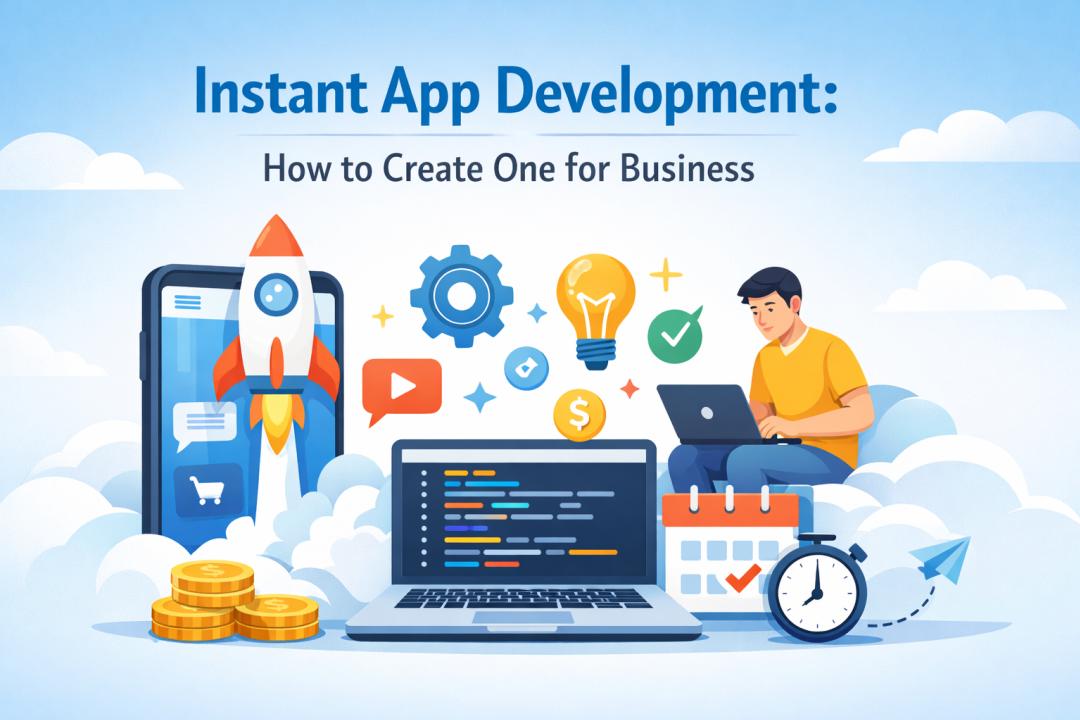
In today’s fast-moving digital world, customers expect everything instantly—instant shopping, instant booking, instant payments, and instant support. That’s why businesses are now focusing on building fast, responsive, and feature-rich mobile applications that deliver results without delays. Whether you are running a retail store, healthcare service, logistics business, or a startup, launching an instant mobile app can help you scale faster, improve customer experience, and increase revenue.
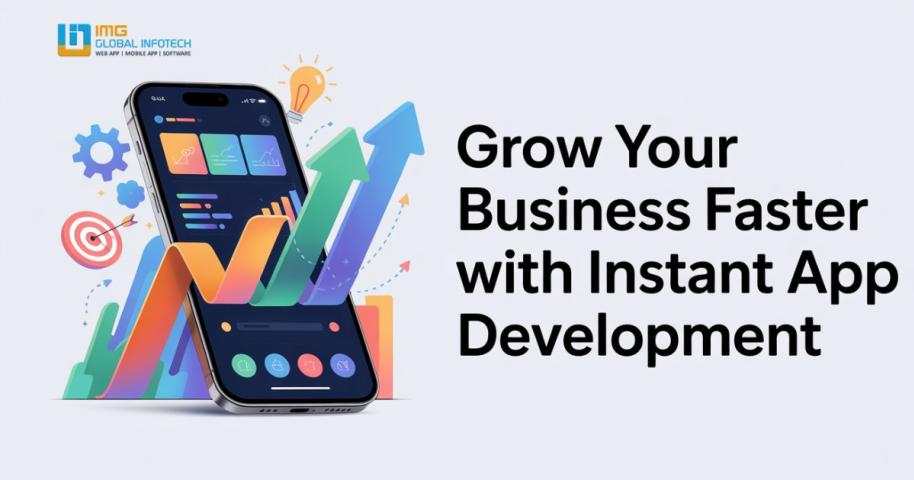
Instant app development is not only about creating an app quickly, but also about designing a smart platform that works smoothly, performs well, and meets business needs. This article explains how to create an instant app for your business, the process involved, important features, technology requirements, cost factors, and best practices to ensure success.
What is Instant App Development?
Instant app development refers to the process of building a mobile application in a shorter time frame using modern development tools, ready-made frameworks, cloud infrastructure, and agile planning. Unlike traditional app development, which may take months, instant development focuses on faster deployment without compromising quality.
However, speed doesn’t mean cutting corners. Instead, it means following a structured process where planning, design, development, and testing are done in an optimized manner. Businesses choose instant development because it allows them to launch faster, validate their idea quickly, and gain early market advantage.
Why Businesses Need Instant Apps Today
Every business is now competing on digital convenience. Customers want quick solutions, and if your business app takes too long to load or does not provide instant features, users will uninstall it.
Here are some major reasons why instant app development has become essential:
1. Faster Market Entry
Launching your app quickly helps you beat competitors and capture customers early.
2. Better Customer Experience
Instant apps improve user satisfaction by offering quick access to services and easy navigation.
3. Higher Engagement and Retention
Apps with smooth UI, fast response time, and real-time updates keep users engaged.
4. Business Automation
Apps can automate bookings, payments, tracking, inventory management, and customer support.
5. Strong Branding
A professional mobile app builds trust and gives your business a modern identity.
Key Types of Instant Apps for Business
Before starting development, you should decide what type of app suits your business model. The most popular instant apps include:
- E-commerce apps for shopping and delivery
- Food delivery apps for restaurants and cloud kitchens
- Healthcare apps for telemedicine and medicine delivery
- Service booking apps like salon, plumbing, cleaning, repair
- Taxi and logistics apps with real-time tracking
- Education apps for online learning and coaching
- Finance apps for payments, wallets, and lending
- Real estate apps for property listing and booking
Each app category requires different features and workflows, so planning is important.
Step-by-Step Process to Create an Instant App for Business
Let’s break down the complete development process in a simple and professional way.
Step 1: Define Your Business Goal and App Purpose
Before development begins, you need a clear purpose. Ask yourself:
- What problem will the app solve?
- Who is my target audience?
- What is my unique value proposition?
- How will I earn revenue from the app?
Your goal could be increasing sales, improving service delivery, enabling bookings, or building customer loyalty. Clear goals help developers build the right solution without confusion.
Step 2: Research the Market and Competitors
Market research helps you understand what users already like and what they dislike. Study competitor apps and identify:
- What features they offer
- How their UI and UX look
- Pricing models
- Customer reviews and complaints
By reading reviews, you can find real user pain points and build a better app solution.
Step 3: Choose the Right Platform (Android, iOS, or Both)
The platform choice depends on your audience and budget.
Android App
Best for businesses targeting a wider audience, especially in India and developing markets.
iOS App
Ideal for premium customers and international markets.
Cross-Platform App
If you want both Android and iOS with one codebase, cross-platform development is the best option.
Most businesses prefer cross-platform frameworks like Flutter or React Native because they reduce cost and speed up development.
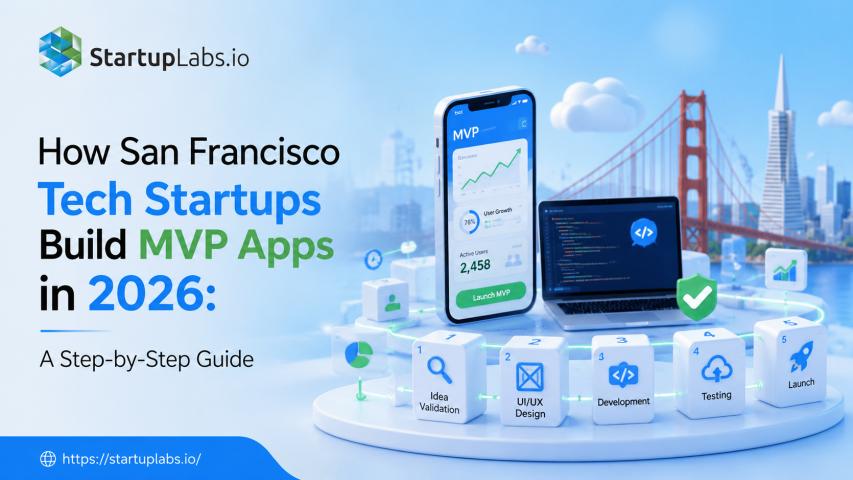
Step 4: Build a Strong MVP First
MVP stands for Minimum Viable Product. Instead of building a full-featured app, you should launch the basic version first. This helps you:
- Reduce initial cost
- Launch faster
- Get user feedback quickly
- Improve the app based on real data
An MVP includes only core features like login, dashboard, payment, booking, or product listing. Once your MVP is successful, you can add advanced features later.
Step 5: Plan App Features and User Flow
Features are the backbone of any business app. For instant apps, features should be simple, fast, and user-friendly.
Common Features for Instant Business Apps
User Panel Features
- Sign up / Login (Email, OTP, Google)
- Profile management
- Product/service browsing
- Search and filters
- Booking or ordering
- Cart management
- Payment gateway integration
- Order tracking
- Push notifications
- Reviews and ratings
Admin Panel Features
- User management
- Product/service management
- Order management
- Analytics dashboard
- Payment tracking
- Offers and coupons
- Customer support management
Additional Advanced Features
- Real-time GPS tracking
- AI recommendations
- Chat support
- Multi-language support
- Referral and loyalty program
- Subscription model integration
Your app should have a clear flow so users can complete tasks in minimum steps.
Step 6: Design UI/UX for Faster Performance
UI and UX are extremely important in instant app development. A slow or confusing app can fail even if the idea is great.
Good design ensures:
- Easy navigation
- Clean layout
- Fast page transitions
- Simple checkout process
- Smooth animations without heavy load
Modern users prefer minimal design with quick access to services. Your design should be mobile-friendly, responsive, and optimized for different screen sizes.
Step 7: Select the Best Tech Stack
Technology selection impacts performance, scalability, and future upgrades.
Recommended Tech Stack
Frontend (Mobile App)
- Flutter
- React Native
- Swift (iOS)
- Kotlin (Android)
Backend
- Node.js
- Laravel
- Python Django
- Java Spring Boot
Database
- MySQL
- PostgreSQL
- MongoDB
- Firebase
Cloud and Hosting
- AWS
- Google Cloud
- Microsoft Azure
APIs and Tools
- Google Maps API
- Payment gateways (Razorpay, Stripe, PayPal)
- Push notifications (Firebase Cloud Messaging)
A good tech stack makes the app scalable and smooth for thousands of users.
Step 8: Development Phase (Agile Method)
The fastest and most effective method is agile development. In this process, the app is built in small phases called sprints.
Each sprint includes:
- Development
- Testing
- Feedback
- Improvements
Agile ensures faster progress and allows quick changes if required. Businesses that choose instant app development services usually follow agile to reduce development time and deliver high-quality output.
Step 9: Testing and Quality Assurance
Testing is critical, especially for instant apps. If your app crashes or has bugs, users will not return.
Types of testing include:
- Functional testing
- UI testing
- Performance testing
- Security testing
- Compatibility testing (different devices)
- Payment testing
Testing ensures your app works smoothly on real devices and provides a seamless user experience.
Step 10: App Deployment and Launch
Once the app is ready, it is launched on:
- Google Play Store
- Apple App Store
The launch process includes:
- Creating developer accounts
- Uploading app files
- Adding screenshots and descriptions
- App store optimization (ASO)
- Compliance checks
A good app launch strategy includes marketing and user onboarding campaigns.
How Long Does It Take to Build an Instant Business App?
The timeline depends on app complexity.
Basic MVP App
4 to 6 weeks
Medium-Level App
2 to 3 months
Advanced App with Custom Features
4 to 6 months
Businesses that hire professional mobile app development services can reduce timelines by using pre-built modules and efficient development frameworks.
Cost of Instant App Development for Business
The cost depends on:
- App features
- Platform (Android/iOS/both)
- UI/UX complexity
- Backend development
- Third-party API integrations
- Admin panel requirements
- Development location and team expertise
Estimated Cost Range
- Basic MVP: $5,000 – $8,000
- Medium App: $8,000 – $10,000
- Advanced App: $15000+
If you want faster delivery, the cost may increase due to dedicated developers and accelerated development schedules.
Benefits of Choosing Instant App Development for Business Growth
Here are the major advantages of launching an instant app:
Faster Business Expansion
You can reach customers across different locations without physical expansion.
Improved Customer Loyalty
Apps provide personalized offers, notifications, and better service support.
Higher Sales and Revenue
Online ordering, instant booking, and digital payments increase conversions.
Better Data and Analytics
Apps help you track user behavior, customer demand, and business performance.
Competitive Advantage
An instant app gives you a strong edge over businesses still depending on traditional methods.
Best Practices to Make Your Instant App Successful
To ensure your app performs well in the market, follow these practices:
- Focus on speed and performance optimization
- Keep the interface simple and user-friendly
- Add secure payment gateways and encryption
- Ensure quick loading time for all pages
- Provide easy onboarding and login options
- Add push notifications for engagement
- Build a scalable backend for future growth
- Collect feedback and update regularly
Consistency in updates and improvements is the key to long-term success.
Conclusion
Instant app development is one of the smartest investments a business can make in 2026 and beyond. Whether you are a startup or an established brand, launching a fast and feature-rich mobile app helps you attract more customers, improve engagement, and grow revenue. From idea validation through MVP development to final deployment, every step plays a crucial role in building a successful app.
By choosing reliable instant app development services, businesses can save time, reduce development risks, and launch their product faster in the market. With the right strategy, technology, and planning, your instant business app can become a powerful tool for long-term success.
If you want to stay ahead of competitors, now is the perfect time to invest in professional mobile app development services and build an app that meets modern customer expectations.