With the current level of talent competition, hiring frameworks of the past will not be enough on their own. As a concept, a recruitment funnel is something most HR teams are familiar with, but far fewer know the difference between it and the candidate journey, and why this is such an important distinction to make. Knowing recruitment funnel vs candidate journey is imperative if you want to regularly attract, engage and convert top talent. It is a strategic necessity.
In this blog, we dissect the differences, explain how HR teams are getting confused, and how to align the two models for candidate-centric modern hiring.
Understanding the Recruitment Funnel
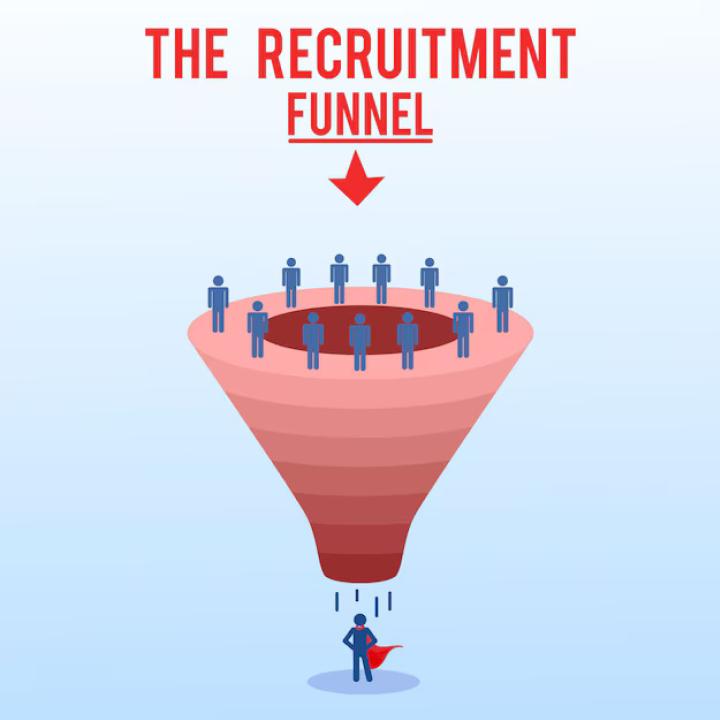
The recruitment funnel is an internally-facing structure that defines how candidates progress from awareness to acceptance as they pass through your hiring process stages. Its main purpose is to help you control volume, efficiency, and conversion at any step.
A typical recruitment funnel includes:
· Awareness and sourcing
· Application submission
· Screening and shortlisting
· Interviews
· Offer and onboarding
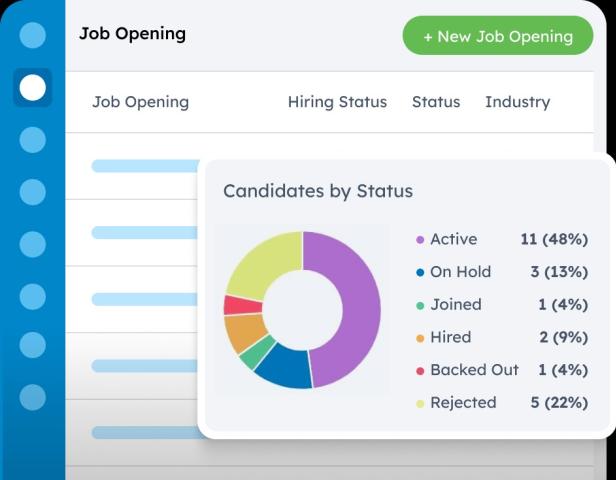
That is a funnel, and at each level of the funnel, some candidates drop off. On the operational side, you can use this model to plan your hiring cycles, create recruiter capacity, and track key performance indicators such as time-to-hire and cost-per-hire.
But the funnel by itself does not tell you how candidates feel as they pass through these stages, and that is where many hiring strategies fail.
What Is the Candidate Journey?
The candidate journey is about the perspective of the candidate, not how you internally work. It encompasses all the interactions between a candidate and your employer brand (from the first touchpoint to post-hire engagement).
The journey is not linear like the funnel. With negative experiences, candidates will return to career pages, compare offers, freeze applications or disengage entirely. That brings in the key difference when you compare recruitment funnel vs candidate experience, the funnel shows how candidates moved through your process, but the journey shows how they felt.
The candidate journey typically includes:
· Employer brand discovery
· Job Postings and Career Site Experience
· Application usability
· Communication and feedback
· Interview experience
· Offer clarity and onboarding
Candidates may drop out of your funnel, even if they fit perfectly, if you ignore the journey.
Recruitment Funnel vs Candidate Journey: Key Differences
But especially when comparing recruitment funnel vs candidate journey, the main difference is point of view and intent.
The recruitment funnel is:
- Process-driven
- Recruiter-centric
- Metrics-focused
- Linear and conversion-oriented
The candidate journey is:
- Experience-driven
- Candidate-centric
- Emotion and perception-focused
- Non-linear and relationship-oriented
You can optimize your funnel all you want and improve things like efficiency, but if you lose out on top candidates because of friction, slowness-to-hire, or lack of transparency, you are not going to achieve your end goal. Achieving hiring success today is about meeting in the middle of both these models.
Why HR Teams Can No Longer Choose One Over the Other
Previously there was a lot of reliance on funnel optimization for HR teams. In this day and age, candidates act like they are informed consumers. They study firms, contrast experiences, and provide input to the general public.
This is the reason why candidate journey vs recruitment funnel for modern hiring is not an either-or debate. You must integrate both.
If the journey is not a positive, moving funnel, you will see high drop-off, even in an optimized funnel. An excellent journey without discipline on the funnel, is simply an unscalable waste of time. Great HR teams create systems where the funnel underpins the journey, and the journey reinforces funnel results.
The Role of Technology in Aligning Funnel and Journey
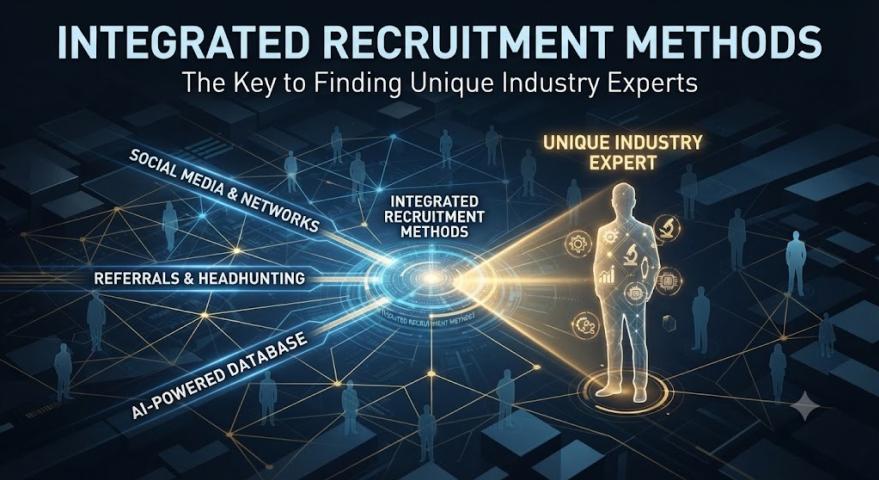
The tech is a big part of your process and experience integration effort Next-generation AI recruiting software allows HR teams to examine candidate behavior and automate workflows, while personalizing communication on a large scale.
For example:
- AI-driven sourcing improves top-of-funnel quality
- Screening smart minimizes prejudice and expedites the shortlist phase
- Automated interview scheduling minimizes friction
- Predictive analytics identify drop-off risks
With AI recruitment software you see not only funnel performance but also candidate sentiment giving you the signal to take action before you lose high-value talent.
How AI Resume Parsing Improves Early Funnel Experience
Resume screening is one of the most important, and often most time-consuming, steps in hiring. Every manual screening holds your funnel back, and a bad experience for some candidates is a good experience for none.
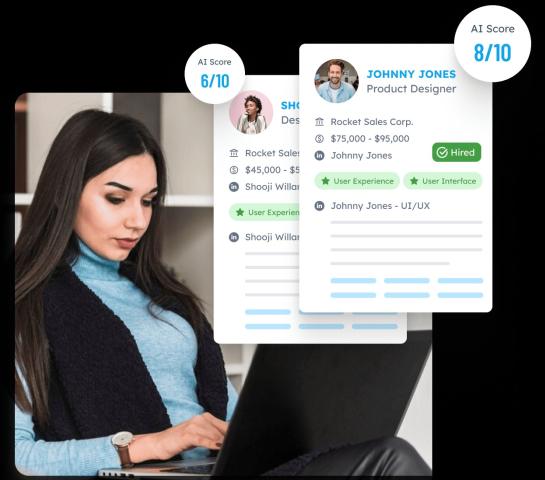
This is where the measurable value of ai resume parsing software comes to the fore. It uses CV parsing to parse structured data from CVs, maps relevant skills based on specified job requirements, and accelerates and boosts the accuracy of the shortlisting process.
When any ai resume parsing software is utilized, it perks the candidates.
- Faster response times
- Reduced redundancy in applications
- Fairer, skills-based evaluation
Simultaneously, this means higher recruiter productivity with better funnel velocity.
How to Build an Effective Recruitment Funnel Without Ignoring Experience
If you are wondering how to build an effective recruitment funnel while keeping candidates engaged, the answer lies in experience-first design.
Begin by mapping the stages of the hiring process, and ask:
· What is the candidate expecting from here?
· What information do they need?
· That is, when are the delays or the confusion?
Then, collectivize tech, strategy, and recruiter behavior to eliminate friction. Automated updates, precise timelines, and targeted messaging help elevate perception without slowing down the process.
Common Mistakes HR Teams Make
The problem many HR teams run into, is that funnel optimization feels like an operational task. Common mistakes include:
· Over-automating without personalization
· Measuring volume instead of quality
· Ignoring feedback after rejection
· Did not close the loop after interview
If your team looks at recruitment funnel vs candidate experience metrics separately, you end up missing the broader context. Integration, not isolation, is the key.
Measuring Success: What You Should Track
In order to strike that recruitment funnel vs candidate journey balance, you need to keep tabs on metrics from both sides.
Funnel metrics:
· Application-to-interview ratio
· Time-to-hire
· Offer acceptance rate
· Journey metrics:
· Candidate satisfaction scores
· Drop-off points
· Communication response time
When you look at these in isolation, you begin to see patterns that enable you to improve recruiting results across the board.
The Future of Hiring: Experience-Led Funnels
HR teams that think pipeline and stage are a thing of the past. As talent expectations grow, your hiring systems need to be seamless, transparent, and human, while still being scalable.
Which is why candidate journey vs recruitment funnel for modern hiring is one of the most important discussion in HR today. The best organizations are the ones with a funnel that is invisible to the candidate but a candidate experience that is a memorable one.
Final Thoughts
The knowledge it provides of recruitment funnel vs candidate journey, it helps you transition from transactional hiring to relationship-based talent acquisition. The funnel gives you structure. The journey gives you trust. Together, they offer you a sustainable advantage for hiring.
Using the AI recruitment software, AI resume parsing software, and designing each step of your hiring process purposefully, you can create a hiring system that brings in better candidates, lower drop-offs, and enhances your employer brand.
In the end, your hiring success does not hinge on whether you prioritise process or experience, but on being able to do both well.