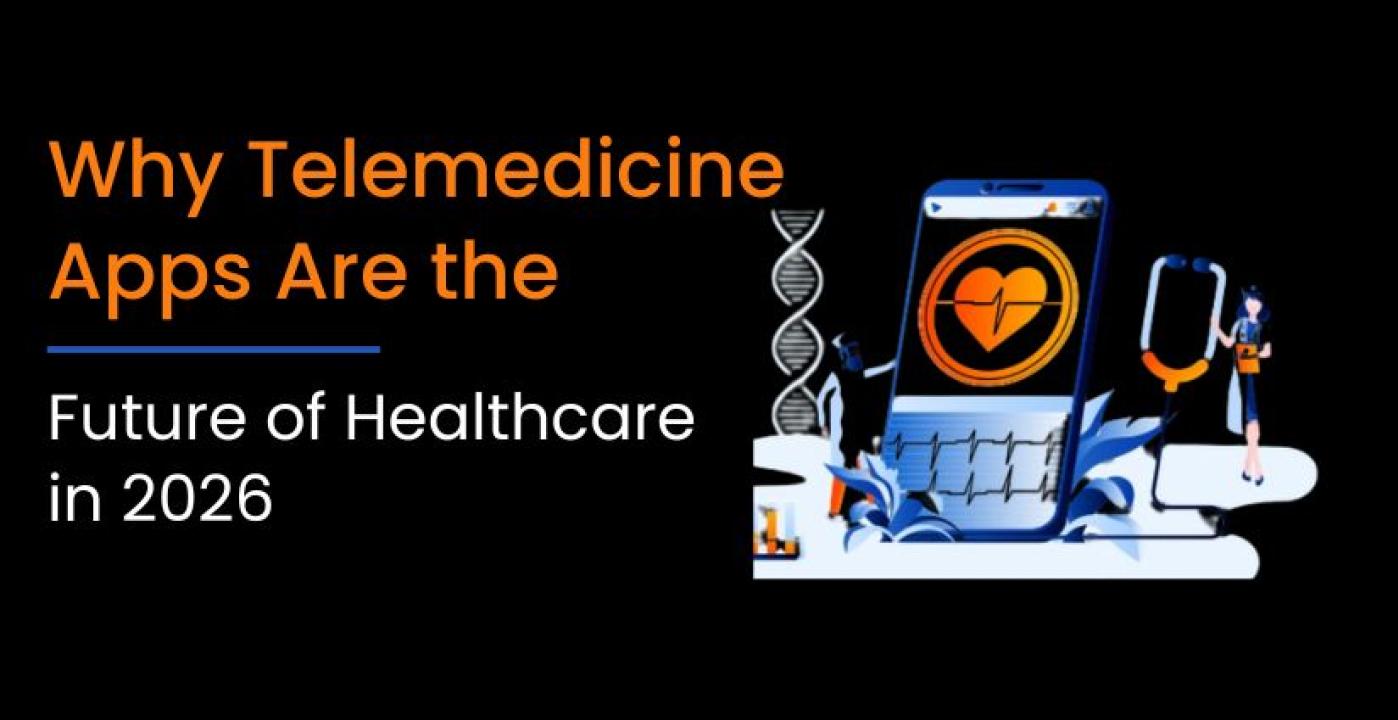
Healthcare has undergone a dramatic transformation over the past decade, but 2026 marks a turning point unlike any other. The integration of advanced technologies, evolving patient expectations, and global digital adoption have positioned telemedicine apps at the forefront of modern healthcare delivery. What began as a convenient alternative during global crises has now become a fundamental component of healthcare systems worldwide.
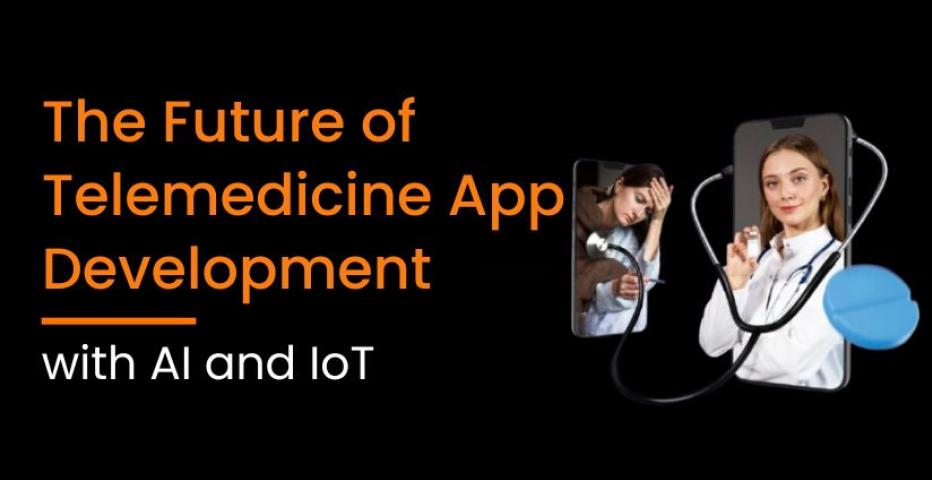
Telemedicine apps are no longer just video consultation platforms. They are intelligent, AI-powered ecosystems that connect patients, doctors, diagnostics, pharmacies, and wearable devices into one seamless digital experience. As we move deeper into 2026, it’s clear that telemedicine apps are not just a trend—they are the future of healthcare.
In this article, we explore why telemedicine apps are redefining the healthcare industry, the technologies driving their growth, and how Telemedicine App Development is shaping tomorrow’s medical landscape.
1. The Shift Toward Digital-First Healthcare
Patients in 2026 expect healthcare to be as accessible as online banking or food delivery. Long waiting times, unnecessary travel, and complex appointment systems are no longer acceptable.
Telemedicine apps address these pain points by offering:
- On-demand consultations
- Remote prescriptions
- Digital health records
- AI-based symptom checking
- Real-time monitoring
Healthcare is moving from hospital-centered systems to patient-centered digital platforms. Telemedicine apps empower users to manage their health from anywhere, at any time.
This digital-first model improves convenience, reduces operational costs, and enhances patient satisfaction—all while maintaining high standards of medical care.
2. Increased Accessibility to Healthcare Services
One of the strongest reasons telemedicine apps define the future of healthcare is accessibility.
Bridging Urban and Rural Gaps
Millions of people in rural or underserved areas lack access to specialized medical professionals. Telemedicine apps eliminate geographical barriers by connecting patients with top doctors regardless of location.
Global Specialist Access
In 2026, cross-border consultations are common. Patients can seek second opinions from specialists in other cities or even countries without traveling.
Support for Elderly and Disabled Patients
For elderly individuals and those with mobility challenges, telemedicine apps offer a lifeline. Instead of physically visiting clinics, they can consult doctors via smartphone or tablet.
This accessibility revolution is one of the primary drivers behind the growing demand for Telemedicine App Development worldwide.
3. AI Integration Is Transforming Telemedicine
Artificial Intelligence has become the backbone of modern telemedicine platforms. In 2026, telemedicine apps are far more than communication tools—they are intelligent healthcare assistants.
AI-Powered Symptom Checkers
Patients can input symptoms, and AI algorithms provide preliminary assessments before connecting them to appropriate specialists.
Predictive Healthcare
By analyzing patient history, life>
Smart Triage Systems
AI prioritizes urgent cases and routes patients to the correct healthcare provider instantly.
This is where collaboration with an AI development company becomes essential. AI-driven telemedicine platforms improve diagnostic accuracy, enhance efficiency, and reduce physician workload.
Healthcare providers that partner with a reliable AI development company gain a competitive edge by offering smarter, faster, and more reliable digital care.
4. Cost-Effective Healthcare Delivery
Healthcare costs continue to rise globally. Telemedicine apps offer a more sustainable and affordable model.
Reduced Infrastructure Costs
Hospitals and clinics save money on physical space, utilities, and staffing when consultations move online.
Lower Patient Expenses
Patients save on travel, accommodation, and time off work. Many teleconsultations are more affordable than in-person visits.
Preventive Care Saves Money
AI-powered monitoring and early detection reduce hospital admissions and emergency visits.
As healthcare systems strive for efficiency in 2026, telemedicine apps provide a financially viable solution for both providers and patients.
5. Real-Time Health Monitoring with Wearables
Wearable technology has exploded in popularity. Smartwatches, fitness trackers, glucose monitors, and heart rate sensors are now seamlessly integrated with telemedicine apps.
Continuous Health Tracking
Apps collect real-time data such as:
- Heart rate
- Blood pressure
- Oxygen levels
- Blood sugar
- Sleep patterns
Proactive Alerts
If irregularities are detected, both patient and doctor receive alerts immediately.
Chronic Disease Management
Patients with diabetes, heart conditions, or hypertension can manage their conditions remotely with consistent monitoring.
The integration of wearables into Telemedicine App Development is reshaping chronic care management, reducing hospital visits, and improving patient outcomes.
6. Improved Patient Engagement and Experience
In 2026, patient engagement is a top priority for healthcare providers. Telemedicine apps encourage active participation in personal health management.
Personalized Health Dashboards
Users can track appointments, prescriptions, reports, and health goals in one place.
Medication Reminders
Automated reminders improve medication adherence.
Health Education
Apps provide personalized content, preventive tips, and wellness programs.
The user experience (UX) of telemedicine apps plays a critical role in engagement. This is why healthcare startups and enterprises increasingly collaborate with the best android app development company to ensure intuitive interfaces, seamless navigation, and secure performance.
Choosing the best android app development company ensures that telemedicine apps are optimized for performance, scalability, and security across millions of Android users globally.
7. Data Security and Compliance Improvements
One early concern surrounding telemedicine was data security. In 2026, advanced encryption, blockchain integration, and secure cloud infrastructures have significantly enhanced patient data protection.
End-to-End Encryption
All communications between doctors and patients are encrypted.
Secure Cloud Storage
Electronic health records (EHRs) are stored in secure, compliant cloud environments.
Biometric Authentication
Fingerprint and facial recognition add extra layers of security.
As telemedicine evolves, regulatory compliance remains critical. Secure Telemedicine App Development ensures adherence to healthcare data regulations, building patient trust and institutional credibility.
8. Reduced Burden on Healthcare Systems
Hospitals worldwide face staff shortages and overcrowding. Telemedicine apps alleviate this pressure.
Fewer Emergency Room Visits
Non-critical cases can be handled virtually, reducing ER congestion.
Optimized Physician Workflows
Doctors can manage more consultations in less time using digital tools.
Remote Follow-Ups
Post-surgery and post-treatment follow-ups can occur online, freeing hospital resources.
By decentralizing healthcare delivery, telemedicine apps create a more balanced and efficient healthcare ecosystem.
9. The Rise of Hybrid Healthcare Models
Telemedicine does not replace traditional healthcare—it enhances it.
In 2026, hybrid healthcare models dominate:
- Initial consultation online
- Diagnostic tests at local labs
- In-person treatment if required
- Virtual follow-ups
This blended approach maximizes efficiency and convenience without compromising care quality.
Healthcare providers that invest in Telemedicine App Development are better equipped to support this hybrid future.
10. Faster Emergency Response Through Smart Technology
Modern telemedicine apps integrate GPS tracking, emergency calling features, and real-time data sharing.
In emergency scenarios:
- Patient location can be shared instantly
- Medical history can be accessed immediately
- AI systems can guide first-aid steps before ambulance arrival
These features dramatically improve response time and patient survival rates.
11. Mental Health Support Expansion
Mental health services have expanded significantly through telemedicine.
Anonymous Consultations
Patients feel more comfortable discussing mental health issues from home.
AI Chat Support
AI-powered chatbots offer immediate assistance and emotional support.
Flexible Scheduling
Virtual therapy sessions are easier to schedule around daily commitments.
Telemedicine apps have made mental health services more accessible, reducing stigma and improving overall societal well-being.
12. Global Market Growth in 2026
The telemedicine market continues to grow at an unprecedented rate. Healthcare investors, startups, and enterprise providers are heavily investing in digital platforms.
This surge in demand has created new opportunities for:
- Healthcare startups
- Hospitals
- Technology providers
- An AI development company specializing in healthcare
- The best android app development company building scalable mobile solutions
As a result, Telemedicine App Development has become one of the most in-demand services in the global tech industry.
13. Scalability and Customization
Modern telemedicine apps are built with scalable architectures that support:
- Multi-language interfaces
- Multi-region compliance
- Integration with third-party health systems
- Custom modules for specific medical specialties
Whether it’s pediatrics, dermatology, cardiology, or general practice, telemedicine apps can be customized to meet unique requirements.
Partnering with an experienced AI development company ensures advanced personalization features powered by machine learning algorithms.
14. Future Technologies Enhancing Telemedicine
Looking ahead, several emerging technologies will further strengthen telemedicine apps:
Augmented Reality (AR)
AR-assisted remote examinations could help doctors guide patients during physical assessments.
Blockchain
Secure sharing of medical records across institutions.
5G Connectivity
Faster video streaming and real-time data transmission.
Voice Assistants
Hands-free interaction for elderly and disabled users.
These innovations will make telemedicine apps even more efficient and immersive in the coming years.
15. Why Businesses Are Investing in Telemedicine App Development
Healthcare entrepreneurs recognize the long-term potential of telemedicine.
High ROI Potential
Recurring subscription models and service-based monetization generate steady revenue.
Growing User Base
Increasing smartphone penetration fuels demand.
Government Support
Many governments now support digital healthcare initiatives.
Businesses collaborating with the best android app development company can create reliable, feature-rich telemedicine apps that stand out in competitive markets.
Additionally, partnering with an AI development company ensures integration of predictive analytics, intelligent automation, and data-driven insights that differentiate modern healthcare platforms.
Conclusion: The Digital Healthcare Revolution Is Here
Telemedicine apps have evolved from optional convenience tools to essential healthcare infrastructure. In 2026, they are reshaping how medical services are delivered, accessed, and experienced.
They improve accessibility, reduce costs, enhance patient engagement, integrate AI-driven intelligence, and support hybrid healthcare models. From rural communities to urban centers, telemedicine apps are breaking barriers and building a smarter healthcare ecosystem.
The future belongs to digital healthcare platforms that combine mobility, intelligence, and security. Businesses that invest in Telemedicine App Development today are positioning themselves at the center of this transformation.
By collaborating with the best android app development company and an experienced AI development company, healthcare providers and startups can create innovative telemedicine solutions that define the next generation of healthcare delivery.