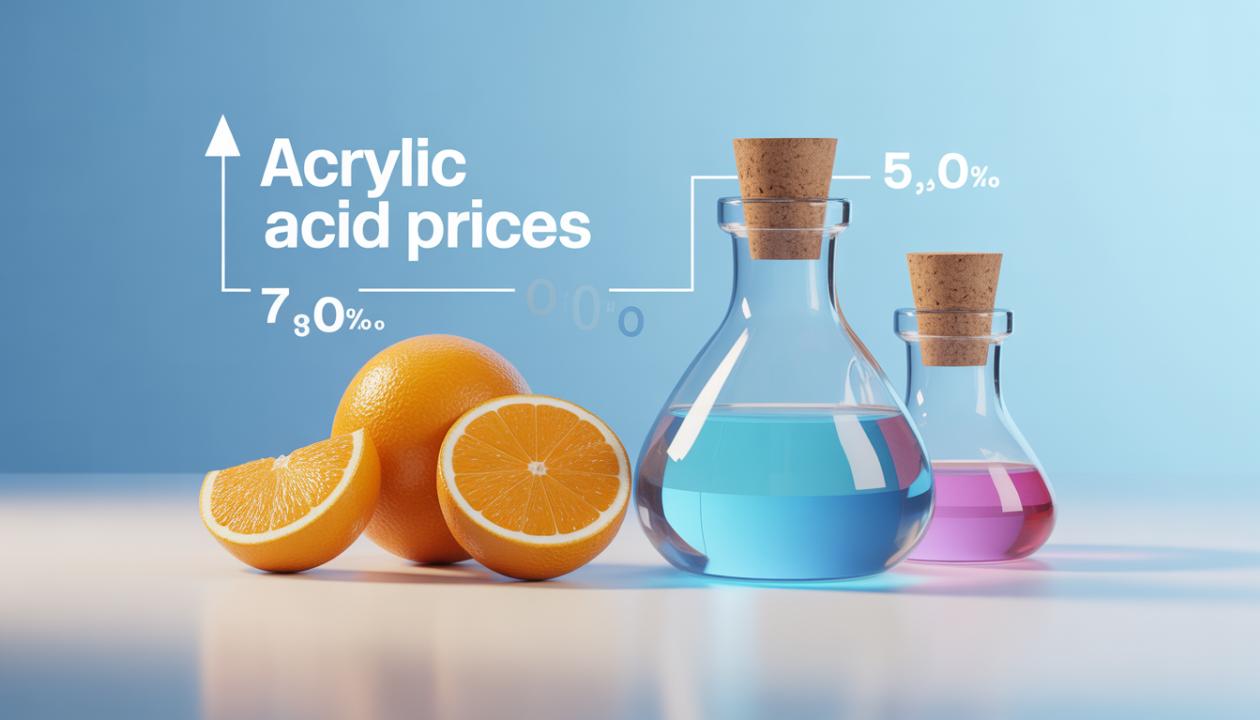

Acrylic acid prices are something many people do not think about in daily life, yet they affect a wide range of products we use every day. From paints on our walls to adhesives, textiles, diapers, and even coatings on cars, acrylic acid plays an important role in modern manufacturing. Because of this wide use, any change in Acrylic Acid Prices can have a direct impact on industries and eventually on consumers.
In this article, we will explore what influences acrylic acid prices, how businesses follow the Acrylic Acid Price Trend, and why these price movements matter in practical, real-world terms.
What Is Acrylic Acid and Why Is It Important?
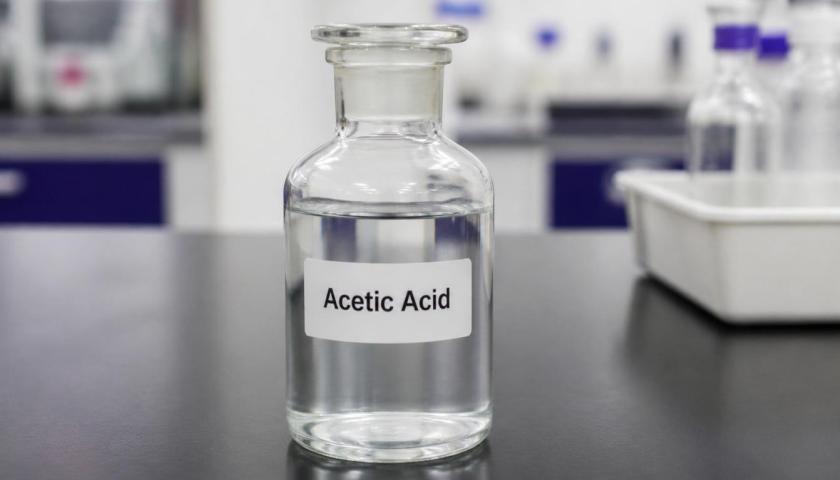
Acrylic acid is a chemical compound mainly used to produce superabsorbent polymers, coatings, adhesives, sealants, and paints. It is also used in textiles, plastics, and construction materials. Since it is a key raw material for many everyday products, its pricing becomes very important for manufacturers.
When acrylic acid prices rise, companies that depend on it may face higher production costs. In many cases, these extra costs are passed on to customers in the form of higher prices for finished goods. On the other hand, when prices fall, manufacturers may get some relief and improve their profit margins.
This is why tracking the Acrylic Acid Price Trend is crucial for businesses that rely on this chemical.
Factors That Influence Acrylic Acid Prices
Several factors directly affect acrylic acid prices. One of the main factors is the cost of raw materials. Acrylic acid is usually produced from propylene, which is derived from crude oil. So, when crude oil prices increase, the cost of propylene often rises too. This directly pushes acrylic acid prices upward.
Another important factor is supply and demand. If demand for products like paints, adhesives, or hygiene products increases, manufacturers need more acrylic acid. Higher demand with limited supply naturally leads to price increases. On the other hand, if production is high but demand slows down, prices may drop.
Global events also play a role. Trade policies, shipping costs, energy prices, and even political situations can influence production and transportation costs. For example, if shipping routes are disrupted, the supply chain can be affected, leading to temporary price spikes.
Seasonal and Regional Variations
Acrylic acid prices do not remain the same across all regions. Different countries have different production capacities, regulations, and demand levels. For instance, regions with strong manufacturing sectors may see higher demand and tighter supply.
Seasonal demand also affects the Acrylic Acid Price Trend. During peak construction or automotive production seasons, demand for coatings and adhesives increases. This can create upward pressure on prices. In contrast, during slower industrial periods, demand may soften, leading to stable or lower prices.
Businesses that closely monitor these seasonal patterns can plan their purchases better and reduce financial risks.
How Businesses Track the Acrylic Acid Price Trend
For manufacturers and suppliers, understanding the Acrylic Acid Price Trend is part of daily planning. They analyze market reports, raw material costs, production data, and global economic signals. By studying these factors, companies try to predict whether prices are likely to rise or fall.
Some companies enter into long-term contracts to lock in prices and avoid sudden fluctuations. Others prefer spot buying, depending on market conditions. The choice often depends on how stable or volatile the market appears at a given time.
Price forecasting is not always perfect, but having a clear understanding of trends helps businesses make smarter decisions.
Impact on End-User Industries
Changes in acrylic acid prices do not stay limited to chemical companies. They move through the entire value chain. For example, if acrylic acid prices increase significantly, manufacturers of diapers may face higher production costs. Similarly, paint manufacturers may need to adjust their pricing.
In the construction industry, where coatings and adhesives are widely used, price fluctuations can affect overall project costs. Even in the automotive sector, acrylic-based coatings are common, and price shifts can influence manufacturing expenses.
In this way, the Acrylic Acid Price Trend indirectly touches many industries and consumers.
Market Stability and Future Outlook
In recent years, acrylic acid prices have shown both periods of sharp increases and phases of correction. Energy prices, global supply chain issues, and changing industrial demand have all contributed to this movement.
Looking ahead, the future of acrylic acid prices will likely depend on crude oil trends, environmental regulations, and global economic growth. As industries focus more on sustainability, there may also be changes in production processes that could influence costs.
For businesses, staying informed about the Acrylic Acid Price Trend will remain essential. Being prepared for price fluctuations helps companies manage budgets, protect profit margins, and remain competitive in a fast-changing market.
Conclusion
Acrylic acid prices may seem like a technical topic, but they have real-world importance. From everyday household products to large industrial applications, many items depend on this chemical. The Acrylic Acid Price Trend reflects changes in raw materials, supply and demand, global events, and industrial growth.
By understanding these price movements in simple terms, businesses and even curious readers can see how deeply connected raw material pricing is to the products we use every day. Monitoring these trends is not just about numbers; it is about understanding the flow of the global manufacturing system and how it affects us all.
👉 👉 👉 Please Submit Your Query for Acrylic Acid Prices, demand-supply, suppliers, market analysis:https://www.price-watch.ai/book-a-demo/
About Price-Watch™
Price-Watch™ is an India-based, independent price reporting agency (PRA) that provides real-time price forecasts and data-driven insights into global raw material markets. It specializes in tracking prices, analyzing market trends, and delivering timely updates on plant shutdowns, supply disruptions, capacity expansions, and demand–supply dynamics. Price-Watch™ reporting goes beyond prices to include grade-level insights, applications, and country-level demand intelligence you can trust. Powered by AI forecasting and over a decade of historical data, the Price-Watch™ platform empowers manufacturers, traders, and procurement professionals to make faster, smarter decisions and turn market volatility into actionable opportunity.
Futura Tech Park,
C Block, 8th floor 334,
Old Mahabalipuram Road,
Sholinganallur, Chennai, Tamil Nadu, Pincode - 600119.
Linkedin: https://www.linkedin.com/company/price-watch-ai/
Facebook: https://www.facebook.com/people/Price-Watch/61568490385598/
Twitter: https://x.com/pricewatchai
Website: https://www.price-watch.ai/