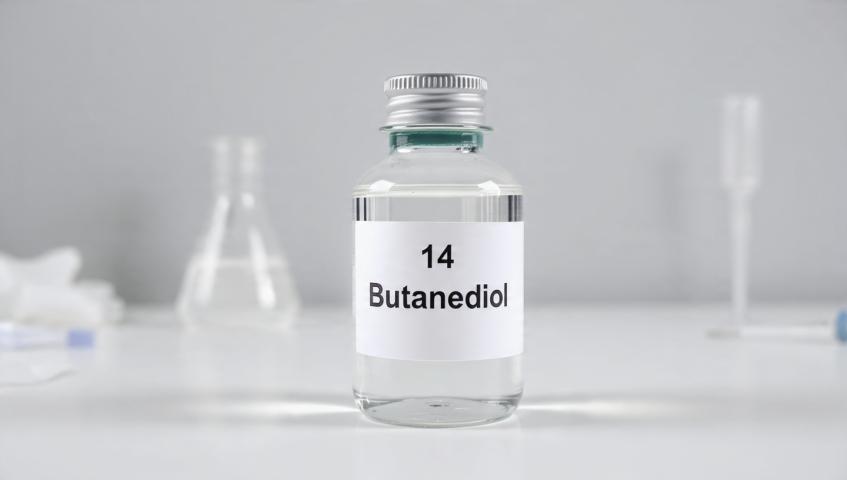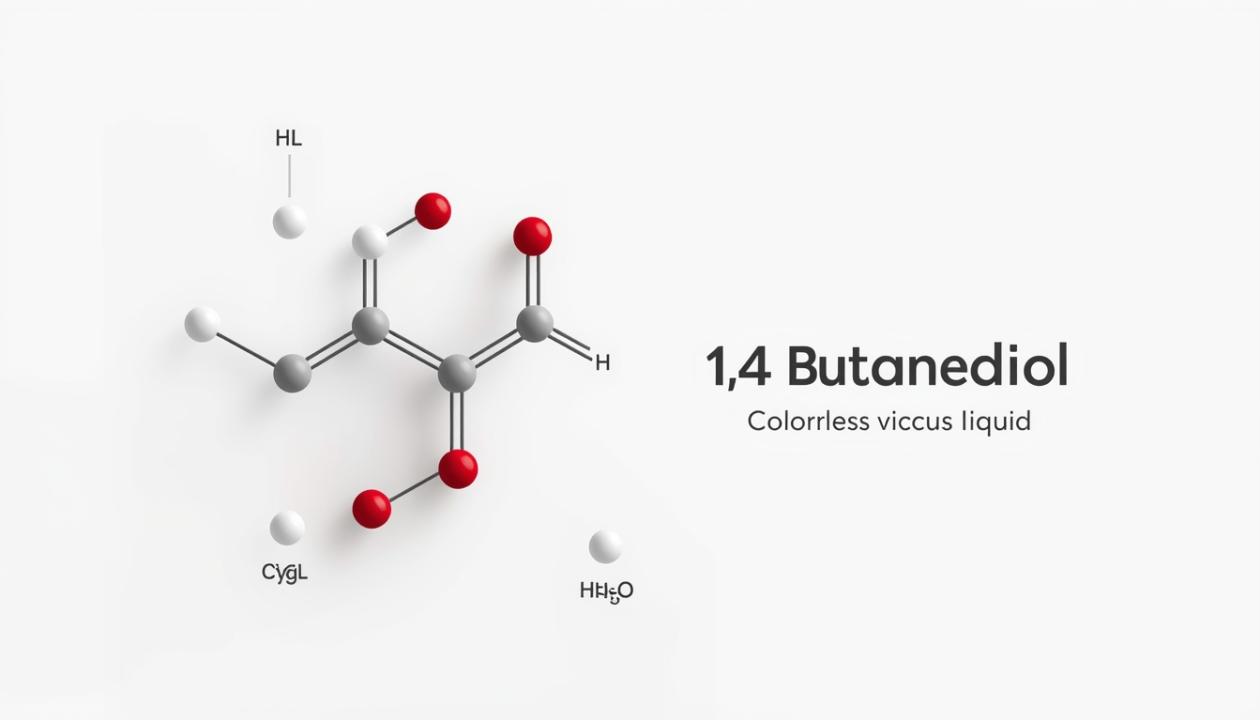
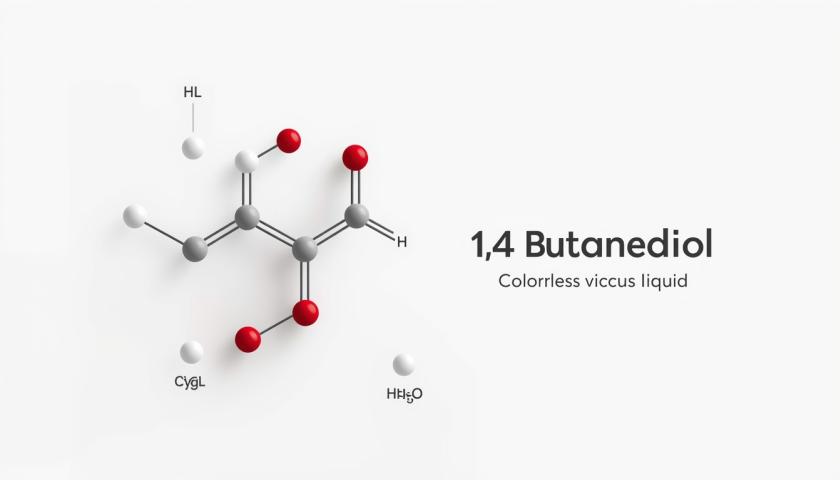
1,4 Butanediol prices have become an important topic for manufacturers, suppliers, and buyers across many industries. This chemical, often called BDO, is widely used in the production of plastics, fibers, solvents, and elastic materials. Because it plays a key role in so many supply chains, even small price changes can have a noticeable impact on overall production costs.
In simple terms, 1,4 Butanediol prices are influenced by supply and demand, raw material costs, energy prices, and global economic conditions. When industries such as automotive, textiles, electronics, or construction perform well, the demand for BDO usually increases. As demand rises, prices often follow the same direction. On the other hand, when economic activity slows down, demand may weaken, which can ease pricing pressure.
Understanding the 1,4 Butanediol Price Trend
The 1,4 Butanediol Price Trend is not always stable. Like many industrial chemicals, BDO experiences periods of increase and decrease depending on market conditions. One of the main reasons behind price movement is the cost of feedstocks. If the raw materials used to produce 1,4 Butanediol become more expensive, manufacturers may pass those higher costs on to buyers.
Energy prices also play a major role. Since chemical production requires significant energy input, any rise in oil, gas, or electricity costs can directly affect production expenses. As a result, the 1,4 Butanediol Price Trend often reflects changes in global energy markets.
Another important factor is plant capacity. When new production plants open, supply increases. If supply grows faster than demand, prices may soften. However, if plants shut down due to maintenance, technical issues, or regulatory changes, supply tightens and prices may increase.
Key Industries Driving 1,4 Butanediol Prices
To understand 1,4 Butanediol prices, it helps to look at the industries that use it most. One major application is in the production of spandex fibers. These fibers are widely used in sportswear, activewear, and stretch fabrics. When the fashion and textile sectors perform well, demand for BDO rises.
Another important use is in engineering plastics such as polybutylene terephthalate (PBT). These plastics are commonly found in automotive parts, electronics, and consumer goods. When car production increases or electronic device sales grow, the demand for BDO-based materials also climbs. This directly influences the 1,4 Butanediol Price Trend.
In addition, BDO is used in the manufacturing of solvents and specialty chemicals. Growth in construction and infrastructure projects can also support demand, especially when coatings and adhesives are required.
Global Market Influence on 1,4 Butanediol Prices
The global nature of the chemical industry means that 1,4 Butanediol prices are rarely affected by just one country. Major producing regions, especially in Asia, have a strong influence on supply. If a large producer reduces output, international prices may react quickly.
Trade policies and transportation costs are also important. Shipping delays, higher freight rates, or export restrictions can create temporary supply shortages in certain regions. This often results in short-term price spikes. In contrast, when logistics run smoothly and supply chains are stable, the 1,4 Butanediol Price Trend tends to show more balanced movement.
Currency exchange rates can also affect international buyers. If a country’s currency weakens, importing chemicals like BDO becomes more expensive, even if global prices remain unchanged.
Short-Term vs Long-Term 1,4 Butanediol Price Trend
Short-term price movements are usually linked to immediate supply and demand shifts. For example, unexpected plant shutdowns or sudden increases in raw material costs can push prices up quickly. These changes may last for a few weeks or months.
Long-term trends are often connected to broader economic cycles. When global manufacturing expands steadily, the 1,4 Butanediol Price Trend may show gradual upward movement. However, during economic downturns, reduced industrial activity can lead to softer demand and more stable or declining prices.
Sustainability and environmental regulations are also shaping the long-term market outlook. As companies move toward greener production methods, new technologies may change cost structures. This could influence pricing patterns in the future.
What Buyers and Suppliers Should Watch
For buyers, keeping an eye on the 1,4 Butanediol Price Trend is essential for budgeting and procurement planning. Monitoring raw material costs, energy prices, and major industry news can provide early signals of price changes. Building strong relationships with suppliers may also help manage risk during periods of volatility.
Suppliers, on the other hand, must balance production costs with competitive pricing. They often adjust output levels based on market demand and feedstock availability. Clear communication with customers can help maintain stable business relationships even when prices fluctuate.
Conclusion
1,4 Butanediol prices are influenced by a mix of industrial demand, raw material costs, energy markets, global trade conditions, and production capacity. The 1,4 Butanediol Price Trend reflects both short-term supply disruptions and long-term economic cycles.
In everyday terms, when industries grow and production costs rise, prices tend to increase. When demand slows or supply expands, prices may ease. By understanding these simple market dynamics, businesses can make more informed decisions and better prepare for changes in the chemical market.
👉 👉 👉 Please Submit Your Query for 1,4 Butanediol prices, demand-supply, suppliers, market analysis:https://www.price-watch.ai/book-a-demo/
About Price-Watch™
Price-Watch™ is an India-based, independent price reporting agency (PRA) that provides real-time price forecasts and data-driven insights into global raw material markets. It specializes in tracking prices, analyzing market trends, and delivering timely updates on plant shutdowns, supply disruptions, capacity expansions, and demand–supply dynamics. Price-Watch™ reporting goes beyond prices to include grade-level insights, applications, and country-level demand intelligence you can trust. Powered by AI forecasting and over a decade of historical data, the Price-Watch™ platform empowers manufacturers, traders, and procurement professionals to make faster, smarter decisions and turn market volatility into actionable opportunity.
Futura Tech Park,
C Block, 8th floor 334,
Old Mahabalipuram Road,
Sholinganallur, Chennai, Tamil Nadu, Pincode - 600119.
Linkedin: https://www.linkedin.com/company/price-watch-ai/
Facebook: https://www.facebook.com/people/Price-Watch/61568490385598/
Twitter: https://x.com/pricewatchai
Website: https://www.price-watch.ai/