When most homeowners schedule AC maintenance, they assume the technician will “check everything.” In reality, a professional air conditioning tune up follows a structured checklist. Each step is designed to improve efficiency, prevent breakdowns, and extend the life of the system.
If you are investing in professional ac maintenance services in Nevada, it helps to understand what is actually being inspected and why it matters. A proper maintenance visit is not a quick visual glance. It is a detailed mechanical and electrical evaluation of your system.
Below is a breakdown of what trained HVAC technicians typically inspect during a maintenance appointment.
1. Thermostat Operation and Calibration
The thermostat controls the entire system. If it is misreading temperature or not communicating correctly, your AC may short cycle or run longer than necessary.
A technician will:
- Verify accurate temperature readings
- Test system response to cooling commands
- Check programmable or smart settings
- Inspect wiring connections
Even a small calibration issue can lead to higher energy bills and uneven cooling.
2. Air Filter Inspection and Replacement
This is the simplest but one of the most important steps. A clogged air filter restricts airflow, increases strain on the blower motor, and reduces cooling efficiency.
During maintenance, technicians will:
- Inspect the current filter condition
- Replace it if needed
- Recommend the correct filter type and MERV rating
Neglecting filter changes is one of the leading causes of airflow problems and frozen coils.
3. Evaporator Coil Inspection
The evaporator coil absorbs heat from your indoor air. If it is dirty, heat transfer drops significantly.
Technicians check for:
- Dust and debris buildup
- Signs of mold or microbial growth
- Ice formation
- Drain pan condition
If necessary, they clean the coil using approved methods that protect the delicate fins. A clean evaporator coil improves cooling performance and indoor air quality.
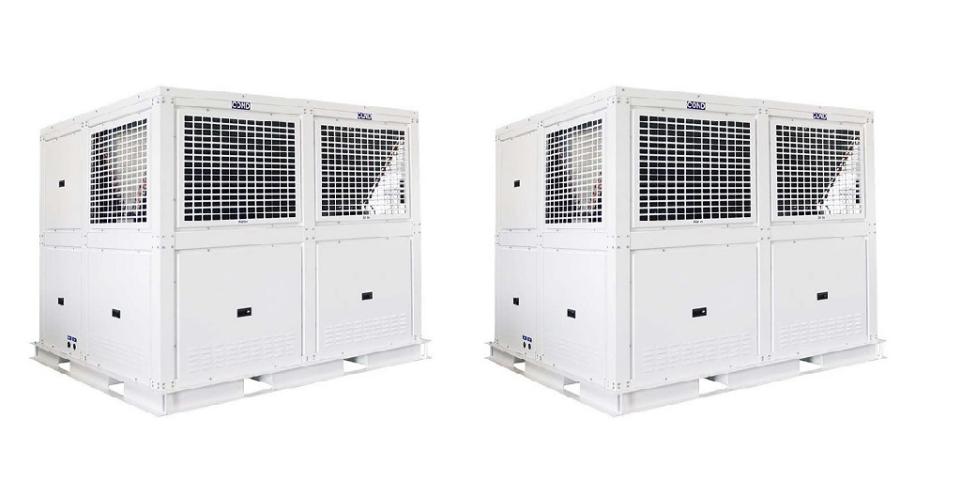
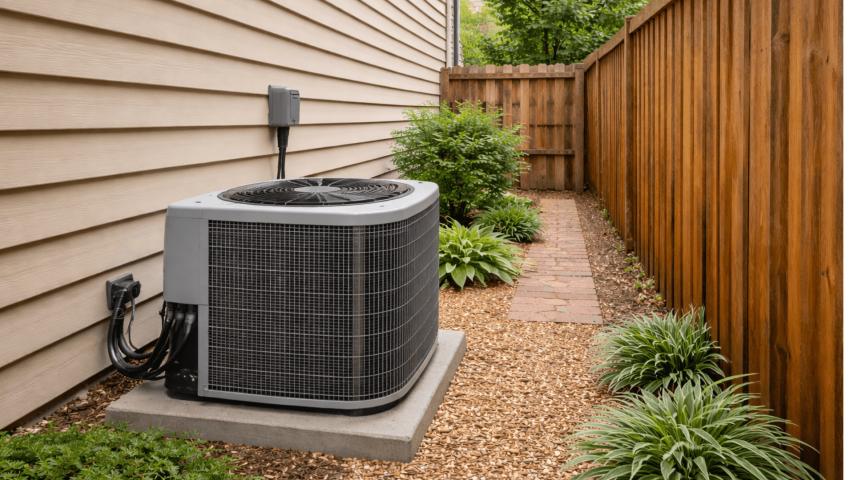
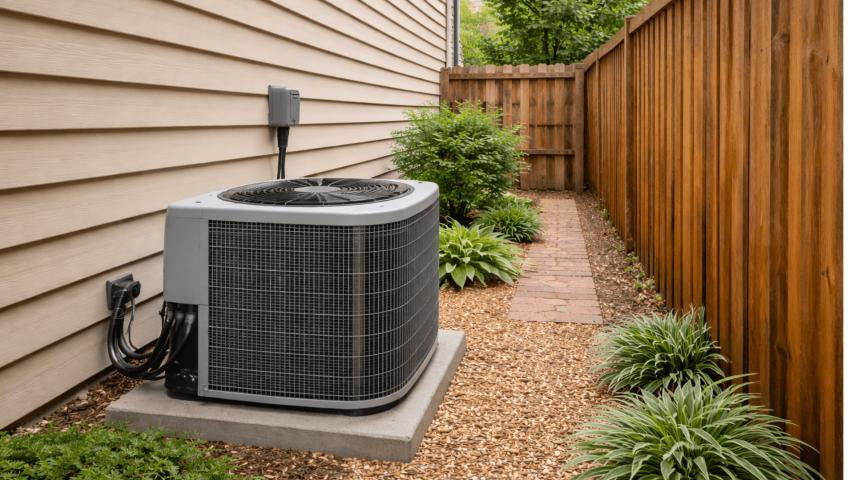
4. Condenser Coil Cleaning
The outdoor unit releases the heat collected from inside your home. Over time, dirt, leaves, and debris block airflow across the condenser coil.
Maintenance includes:
- Removing debris around the unit
- Cleaning coil surfaces
- Straightening bent fins
- Checking for airflow restrictions
A dirty condenser forces the compressor to work harder, which increases energy consumption and wear.
5. Refrigerant Level Check
Low refrigerant does not just reduce cooling. It can damage the compressor, which is one of the most expensive components to replace.
Technicians will:
- Measure refrigerant pressure
- Compare readings to manufacturer specifications
- Check for potential leaks
- Inspect refrigerant lines and insulation
If levels are low, the system likely has a leak. Simply “topping off” refrigerant without fixing the leak is not proper maintenance.
6. Electrical Component Testing
Your AC system relies on several electrical parts to operate safely and efficiently.
A technician inspects:
- Capacitors
- Contactors
- Relays
- Wiring connections
- Voltage and amp draw
- Safety controls
Loose or worn electrical connections are common causes of sudden breakdowns. Catching these early prevents emergency service calls.
7. Blower Motor and Fan Inspection
The blower motor circulates cooled air throughout your home. If airflow drops, comfort suffers immediately.
Maintenance includes:
- Checking motor operation
- Measuring amp draw
- Inspecting belts (if applicable)
- Cleaning blower components
- Ensuring proper lubrication when required
Reduced airflow can lead to uneven cooling, higher humidity, and increased strain on the system.
8. Condensate Drain Line Clearing
Your AC removes humidity from the air, which produces condensation. That moisture drains through a condensate line.
If the drain line becomes clogged, it can cause:
- Water damage
- Mold growth
- System shutdown from safety switches
Technicians flush and inspect the drain line to ensure proper water flow and prevent indoor leaks.
9. Compressor Evaluation
The compressor is the core of the cooling process. It circulates refrigerant between indoor and outdoor coils.
During maintenance, technicians:
- Listen for abnormal noises
- Measure operating pressures
- Monitor start up performance
- Check for overheating signs
While compressors are not typically repaired during maintenance, early warning signs can help homeowners prepare before failure occurs.
10. System Performance Testing
After completing inspections and cleaning, the technician will run the system to evaluate overall performance.
This includes:
- Measuring temperature split between return and supply air
- Checking cycle timing
- Monitoring noise levels
- Verifying consistent airflow
This final test confirms the system is operating within normal parameters.
Why This Checklist Matters
AC maintenance is not about quick fixes. It is about preventing small issues from becoming major repairs.
Regular inspections help:
- Reduce energy consumption
- Extend equipment lifespan
- Maintain manufacturer warranty compliance
- Improve indoor air quality
- Minimize emergency breakdowns
In hot climates like Nevada, where systems run heavily for much of the year, skipping maintenance often leads to compressor failure, refrigerant issues, or airflow problems during peak summer months.
What Maintenance Does Not Include
It is equally important to understand what standard maintenance does not cover.
Routine service typically does not include:
- Major component replacements
- Refrigerant leak repairs (unless authorized separately)
- Ductwork redesign or repair
- Full system replacement
If serious issues are discovered, the technician should clearly explain repair options and provide written estimates.
How Often Should AC Maintenance Be Scheduled?
Most manufacturers and HVAC professionals recommend:
- Once per year for mild climates
- Twice per year in high usage areas like Nevada
Spring maintenance is ideal because it prepares your system before peak cooling season begins.
If your system is older, heavily used, or has a history of repairs, more frequent inspections may be necessary.
Choosing a Qualified HVAC Technician
Not all maintenance services are equal. A proper inspection should take time. If a technician is finished in 10 to 15 minutes, critical steps were likely skipped.
When hiring a company, look for:
- Licensed and insured technicians
- Clear service checklists
- Written documentation of findings
- Transparent pricing
- Experience with your system type
A thorough maintenance visit typically takes 45 minutes to over an hour depending on system condition.
Final Thoughts
AC maintenance is not optional if you want reliable cooling, manageable energy bills, and long equipment life. A professional checklist covers electrical components, airflow, refrigerant levels, drainage, and overall system performance.
Understanding what technicians actually inspect helps you hold service providers accountable and ensures you receive real value from your maintenance appointment.
If your system has not been inspected recently, scheduling a professional tune up before peak summer temperatures arrive can prevent costly breakdowns and unnecessary stress on your equipment.