In today's manufacturing and commercial settings, flooring does much more than simply provide a surface to walk on. It plays an important part in worker safety and equipment protection, as well as enabling an organization/operator to efficiently operate their equipment and processes. In manufacturing and some service sectors (e.g., electronics, pharmaceuticals, and information technology), one significant issue is static electricity control. Selecting an appropriate anti-static flooring solution can reduce equipment damage costs, improve uptime, and increase employee safety in the workplace.
Why Is Static Control Important?
While static electricity may not seem like a problem in daily life, it causes major issues in industrial settings. A small electrostatic discharge (ESD) has the potential to cause damage to sensitive electronic components or corrupt data being transmitted or received electronically. It could also cause a fire with a spark when igniting combustible materials. In semiconductor plants and computer server rooms, even a small ESD can have tremendous negative financial impacts.
The importance of industrial anti-static flooring systems is to provide an effective means of dissipating static electricity safely to ground, to protect the employee or workers and their equipment from the negative effects of an electrostatic charge buildup.
Understanding Application Differences
Each industry has different static control requirements. For example:
1. Electronics Manufacturing Facilities – floors must ensure continuous competency for sensitive circuit boards.
2. Warehouses with flammable/hazardous materials – floors must minimize the potential for creating or exposing potential ignition sources (e.g., sparks).
3. To protect servers, networking equipment, and storage media, IT facilities need to install specialized ESD flooring for data centers and server rooms.
Choosing the best anti-static flooring for industries requires an assessment of the potential risks involved, traffic levels, and operational requirements.
The Main Types of Antistatic Floor Coverings
There are many types of anti-static floor coverings in today's marketplace, including:
1. Epoxy-Based Floor Coverings
Heavy-duty epoxy coatings with built-in electrical conductivity have been used extensively in industrial environments. They provide durable, seamless surfaces with excellent static dissipation.; They are considered a high-performance static control flooring option due to their combination of both building strength and advanced methods for ESD protection.
2. Vinyl / PVC ESD Floor Tiles
For commercial and light industrial applications, vinyl floor tiles are a frequently used product. They provide convenience in ease of installation and replacement compared with epoxy-based products, making them ideally suitable for applications with moderate volumes of foot traffic.
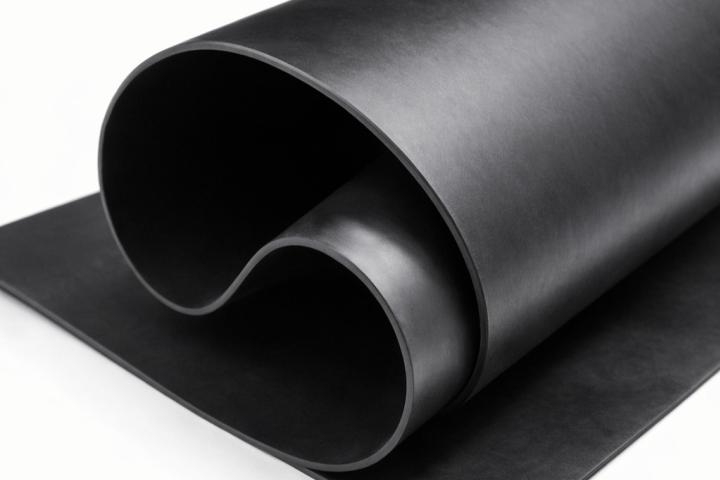
3. Rubber Floor Coverings
Commonly applied in laboratories and assembly areas, rubber ESD floor coverings provide a comfortable surface to walk on while providing excellent static control.
4. Polyurethane Floor Coverings
Floor coverings made from polyurethane provide both flexibility and chemical resistance, meaning they can be used in clean rooms as well as pharmaceutical manufacturing.
Considerations Before Buying
When choosing factory anti-static flooring options, there are many factors to consider before making your choice.
1. The Amount of Static Control Needed
Different places need different ranges of resistance. Conductive floors have low electrical resistance and are used for very delicate processes. In contrast, dissipative floors work in general industrial types of places.
2. Traffic and Weight Load
Heavy equipment, large trucks, and continual foot traffic mean that the flooring must be made from very durable materials. Make sure the floor can bear the weight of any equipment or personnel that will be on it. If there is any failure in this area, the static control capability of the surface will be affected as well.
3. Level of Maintenance
When a manufacturing facility shuts down for any reason, it can hurt profits; therefore, it is best to choose low-maintenance industrial ESD flooring types. Long-term usage of ESD flooring with the lowest upkeep costs is ideal.
4. Chemical and Moisture Resistance
Manufacturing plants and laboratories often deal with chemicals in a way that exposes them to chemicals and moisture. It is imperative that the ESD flooring chosen has the ability to resist damage caused by chemical and moisture exposure.
5. Compliance and Safety Regulations
It is very important to verify that the workplace safety flooring installed meets all applicable ESD safety regulations/standards. The best flooring that meets all safety regulations will protect not only the equipment in the workspace but also help prevent slips, trips, or falls for people in the workspace as well.
Benefits of Using the Appropriate Solution
There are numerous benefits to using the correct anti-static flooring system, such as:
1. Protecting sensitive electronic equipment
2. Preventing fires and/or explosions
3. Adding to the safety of each worker
4. Reducing the amount of time spent on maintenance on that product
5. Increasing the longevity and durability of each product
6. Assisting with meeting ESD and other regulatory requirements
In data-driven industries, simply having a static discharge can mean downtime and loss of data. Because of this, ESD flooring for data centers and server rooms is a mandatory requirement, rather than just a recommendation.
Likewise, factory anti-static flooring will help to ensure that production continues to run smoothly by offering protection to machinery and electronic control systems in manufacturing plants.
Long Term Value and Performance
When choosing high-performance static control flooring, you must keep safety and long-term stability in mind. Quality systems will offer consistently planned conductivity for many years, even with high usage. When ESD flooring is properly installed and grounded, you can expect years of reliable static dissipation.
Flooring that is low maintenance and industrial grade will also minimize lifecycle cost in industrial operations by reducing maintenance costs. Due to their smooth and seamless surface, industrial anti-static flooring can also be cleaned more easily, has less accumulation of dust, and carries a lower risk of contamination, especially in clean rooms and precision manufacturing plants.
Conclusion
Your industrial space will experience productivity improvements through the use of the best anti-static flooring, which also safeguards your business assets. Any manufacturing plant, laboratory, warehouse, or IT facility needs to install anti-static flooring because it protects both their business operations and employee safety.
The purchase of proper anti-static flooring provides your business with safe operational conditions and dependable systems that sustain its performance across time. The correct anti-static flooring choice enables your workplace to establish safer conditions, which boost efficiency for both employees and technological resources.