What Does an AR VR App Development Company Do?
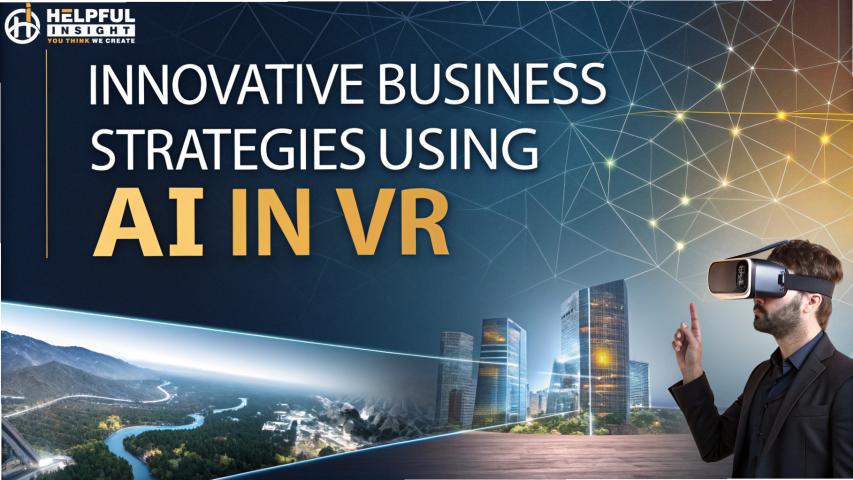
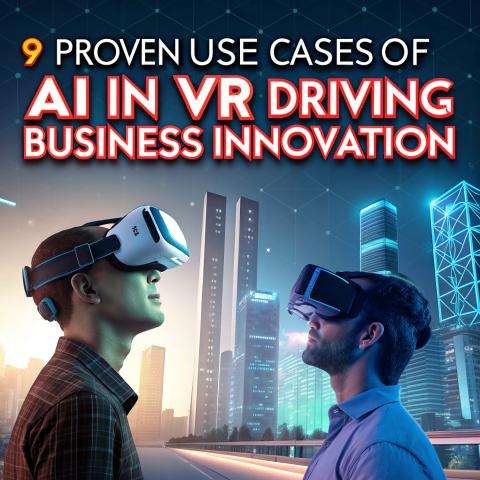
Augmented Reality (AR) and Virtual Reality (VR) have changed how people interact with digital content. From virtual property tours to interactive learning tools, immersive applications are becoming part of daily business operations. An AR VR app development company is responsible for building these interactive digital experiences. These companies design, develop, test, and maintain applications that run on smartphones, tablets, AR glasses, and VR headsets. Their work supports industries such as healthcare, education, retail, real estate, manufacturing, and training by creating applications that improve visualization, learning, engagement, and communication.
Below is a detailed explanation of what an AR VR app development company actually does and how its services contribute to modern digital solutions.
Understanding the Role of an AR VR App Development Company
An AR VR app development company turns business ideas into immersive applications. Their role is not limited to writing code. It includes research, design planning, 3D content creation, hardware integration, testing, deployment, and continuous improvement.
The process begins with identifying the purpose of the application. Whether the goal is to create a training simulation, a marketing tool, or a product visualization app, the development team studies user needs and technical requirements before starting production. This structured planning helps avoid technical issues later and keeps the project aligned with business objectives.
AR App Development: Bringing Digital Content into the Real World
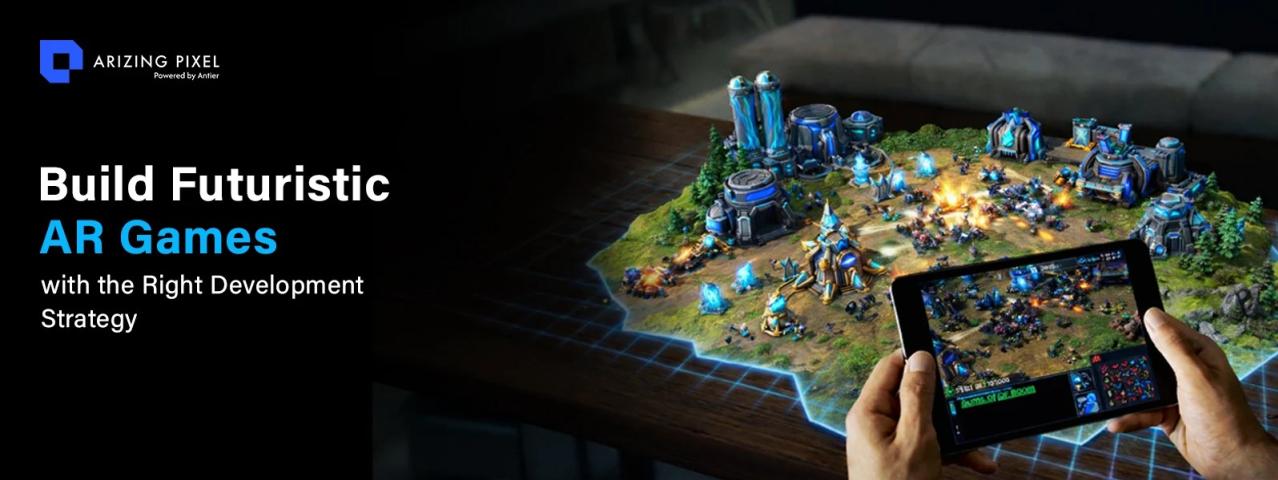
Augmented Reality applications place digital elements into real-world environments using cameras and sensors. An AR VR app development company builds AR apps that allow users to interact with virtual objects in physical spaces.
These applications may include:
Retail apps that allow customers to preview products in their homes
Navigation apps that provide interactive directions
Educational apps that display 3D models for better learning
Maintenance apps that guide technicians with on-screen instructions
Developers use mobile technologies that detect surfaces, track movement, and adjust lighting so that digital objects appear realistic. Accuracy in object placement and smooth motion tracking are critical for a successful AR experience.
VR App Development: Creating Fully Immersive Environments
Virtual Reality applications create complete digital environments that users can enter using VR headsets. Unlike AR, which adds to the real world, VR replaces it with a simulated environment.
A VR-focused development team creates applications such as:
Virtual training simulations for healthcare or industrial workers
Virtual classrooms for remote education
Real estate walkthroughs
Interactive gaming experiences
Developers focus heavily on performance stability. Smooth frame rates, responsive controls, and realistic physics are necessary to prevent motion discomfort and maintain immersion. Every element inside the virtual environment, from lighting to spatial sound, must work together seamlessly.
Mixed Reality Applications
Mixed Reality combines elements of AR and VR, allowing digital objects to interact with the real environment in advanced ways. These applications are used in industrial planning, engineering design, and medical simulations.
Mixed Reality development requires precise mapping of physical spaces and accurate tracking systems. Developers must ensure that digital content reacts correctly to real-world movement and positioning.
3D Modeling and Visual Content Creation
A major part of immersive app development is creating high-quality 3D assets. An AR VR app development company employs designers and artists who build detailed models, textures, and animations.
In medical training apps, anatomical models must be accurate. In retail applications, product models must reflect real dimensions and materials. In industrial simulations, machinery must function exactly as it does in real life.
Balancing visual quality with performance is essential. Large 3D files can slow down an application, so developers optimize assets for smooth operation across devices.
User Interface and Experience Design
Designing for AR and VR differs from traditional mobile app design. In AR apps, interface elements must not block the real-world view. Text must remain readable in different lighting conditions, and controls should be intuitive.
In VR applications, menus and controls exist inside a 3D environment. Navigation must feel natural. Buttons may appear as floating panels, and interactions often rely on hand gestures or motion controllers.
User testing helps refine these designs. Developers observe how users interact with virtual elements and adjust the interface to improve clarity and comfort.
Hardware and Sensor Integration
Immersive applications depend heavily on device hardware. AR apps use cameras, GPS systems, accelerometers, and depth sensors to detect surroundings and track movement. VR apps rely on head tracking systems, motion controllers, and sometimes eye-tracking technology.
Developers integrate these hardware components with software systems to ensure accurate movement detection and responsive interactions. Calibration and synchronization are important for smooth performance.
Cross-Platform Compatibility
An AR VR app development company often builds applications that work across multiple platforms. This includes:
iOS and Android smartphones
VR headsets such as Oculus or HTC Vive
Web-based AR experiences
Cross-platform development requires careful coding and testing to maintain consistency in performance and design.
Testing and Quality Assurance
Immersive apps require extensive testing beyond basic functionality checks. Performance testing ensures stable frame rates and efficient memory usage. Usability testing evaluates user comfort, interaction clarity, and navigation ease.
For AR applications, testing under different lighting conditions and physical environments is necessary to verify stable object tracking.
Quality assurance ensures that users receive a smooth and reliable experience.
Deployment and Ongoing Support
Once testing is complete, the app is prepared for launch. Developers ensure compliance with app store guidelines and privacy regulations. For enterprise applications, deployment may occur internally within an organization.
After launch, maintenance continues. Updates may include compatibility adjustments for new devices, performance improvements, and feature enhancements.
Industry Applications of AR and VR Development
AR and VR solutions are used in many industries:
Healthcare: Surgical simulations, patient education tools, rehabilitation support.
Education: Virtual science labs, historical recreations, interactive learning modules.
Retail: Virtual try-on features, product previews, digital showrooms.
Real Estate: Virtual property tours, architectural visualization.
Manufacturing: Equipment training simulations, safety drills, process visualization.
Each industry uses immersive technology in ways that improve efficiency, clarity, and user engagement.
Security and Data Protection
AR and VR applications often access cameras, location data, and user information. A responsible development company implements secure data storage, encrypted communication, and permission controls to protect user privacy.
Compliance with data protection standards is part of the development process.
Conclusion
An AR VR app development company builds immersive applications that allow users to interact with digital content in engaging and realistic ways. Their work covers planning, design, 3D content creation, programming, hardware integration, testing, deployment, and maintenance.
By combining technical knowledge with structured development processes, these companies create applications that serve industries such as healthcare, education, retail, real estate, and manufacturing. As immersive technology continues to grow, AR VR app development companies remain central to delivering interactive digital solutions that improve learning, visualization, and user engagement. Build Your Immersive AR/VR Experience Today.