Homeowners renovating kitchens or bathrooms face a critical decision when it comes to countertop materials. While natural marble has been the gold standard for luxury interiors for centuries, modern HPL marble and marble HPL sheet options now offer compelling alternatives that replicate the aesthetic appeal without the drawbacks. This comprehensive guide examines both materials to help homeowners make informed decisions based on performance, cost, and life>
Key Takeaways
Natural marble requires annual sealing at $100-$350 per treatment, while HPL marble needs zero maintenance beyond basic cleaning
Marble HPL sheet resists stains, acids, and heat better than porous natural stone
Installation costs for natural marble reach $80-$300 per square foot versus $40-$80 for high-pressure laminate marble alternatives
Both materials offer stunning aesthetics, but HPL marble provides consistent patterns without the unpredictability of natural stone
Weight differences make marble HPL sheet easier to install and suitable for wall applications without structural reinforcement
Understanding Natural Marble: Beauty with Responsibilities
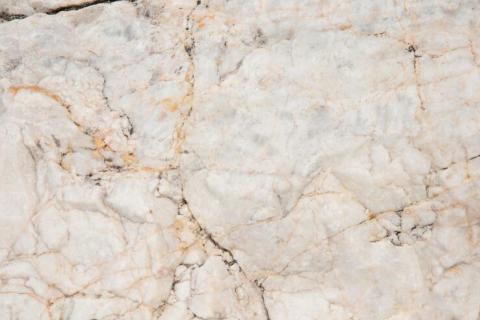
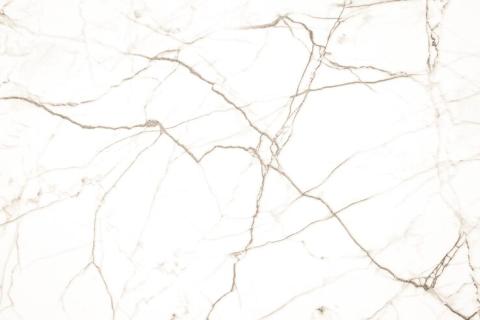
Natural marble forms over millions of years through metamorphic processes that transform limestone under intense heat and pressure. This geological journey creates the distinctive veining patterns and color variations that make each slab unique. Popular varieties like Carrara, Calacatta, and Statuario command premium prices due to their rarity and aesthetic appeal.
However, the same porous structure that gives marble its natural beauty also makes it vulnerable. The calcium carbonate composition reacts with acidic substances, causing permanent etching from common household items like lemon juice, vinegar, and even some cleaning products. Homeowners must understand these characteristics before committing to natural marble surfaces.

What Is HPL Marble: Engineering Meets Aesthetics
HPL marble refers to high-pressure decorative laminates manufactured to replicate the appearance of natural marble. The production process involves multiple layers of kraft paper impregnated with phenolic resin, topped with a decorative paper layer featuring high-resolution marble patterns. These layers are bonded under temperatures exceeding 120°C and pressure above 5 MPa, creating a dense, non-porous material with exceptional durability.
According to ISO 4586 standards, high-pressure decorative laminates must achieve minimum density of 1.35 g/cm³ and pass rigorous testing for wear resistance, impact strength, and surface durability. Modern marble HPL sheet products exceed these benchmarks while offering visual authenticity that rivals natural stone.
Performance Comparison: Daily Living Reality
Theoretical specifications matter less than real-world performance in family kitchens and busy bathrooms. The following comparison examines how both materials handle common household challenges.
| Performance Factor | Natural Marble | HPL Marble |
|---|---|---|
| Stain Resistance | Poor - wine, coffee, and oils penetrate porous surface | Excellent - non-porous melamine surface repels all liquids |
| Acid Resistance | Very Poor - etches permanently from citrus, vinegar, tomato | Excellent - no reaction to household acids |
| Scratch Resistance | Moderate - softer than granite (Mohs 3-4) | Very Good - harder surface coating resists daily wear |
| Heat Tolerance | Good - withstands high heat without damage | Moderate - resistant to 180°C, use trivets for hot pots |
| Impact Resistance | Poor - chips and cracks easily from dropped objects | Good - flexible substrate absorbs impacts better |
| Maintenance | High - annual sealing required ($100-$350/year) | Minimal - wipe with damp cloth and mild detergent |
| Weight | Heavy - 12-15 lbs per square foot at 3cm thickness | Lightweight - 2-3 lbs per square foot at standard thickness |
| Lifespan | 50-100+ years with proper care | 15-25 years under normal residential use |
The Hidden Costs of Natural Marble Ownership
Initial purchase price tells only part of the financial story. Natural marble demands ongoing investment that many homeowners underestimate. Professional sealing treatments cost between $100-$350 annually for typical kitchen installations, with high-traffic or light-colored marble requiring treatment twice yearly. Over a 20-year period, sealing alone adds $2,000-$7,000 to ownership costs.
Repair expenses compound these figures. Minor etching repair runs $200-$600, while major restoration involving honing and repolishing costs $1,200-$2,500 for standard kitchen countertops. Homeowners must also factor in specialized cleaning products, as conventional cleaners damage marble surfaces. Professional-grade marble cleaners range from $15-$35 per bottle, with active households requiring multiple bottles annually.
In contrast, HPL marble eliminates these recurring costs entirely. The non-porous surface requires only basic soap and water for cleaning, with no sealing, polishing, or professional maintenance needed throughout its service life. This maintenance-free characteristic appeals particularly to busy families and rental property owners seeking premium aesthetics without ongoing obligations.
Installation Considerations and Structural Requirements
Weight differences between materials significantly impact installation complexity and costs. Natural marble slabs at standard 3cm thickness weigh 12-15 pounds per square foot, requiring reinforced cabinetry and professional fabrication. Installers must template precisely, as mistakes with natural stone prove expensive to correct. Installation typically requires 3-5 days including template, fabrication, and installation, with costs ranging $80-$300 per square foot installed depending on slab rarity and regional labor rates.
Marble HPL sheet installation follows a simpler process. At 2-3 pounds per square foot, standard cabinetry handles the weight without modification. Sheets bond to existing substrates using contact cement, making installation accessible to skilled DIY homeowners or professional installers at $40-80 per square foot including materials and labor. Project completion usually occurs within 1-2 days, minimizing kitchen disruption.
Wall applications highlight another advantage of HPL marble. Natural marble wall cladding requires mechanical anchoring systems and structural assessment to ensure adequate support. High-pressure laminate sheets attach directly to prepared walls using appropriate adhesives, expanding design possibilities for accent walls, backsplashes, and vertical surfaces without engineering concerns.

Aesthetic Authenticity: Can You Tell the Difference?
Modern digital printing technology has transformed HPL marble aesthetics dramatically. High-resolution scanning of rare marble slabs creates decorative papers with veining details that fool even experienced designers at typical viewing distances. Manufacturers like HUAJIALE maintain libraries of 2,000+ marble patterns, enabling precise matching to specific natural stone varieties.
Surface finish options enhance authenticity further. High-gloss finishes replicate polished marble's mirror-like reflection, while matte treatments mimic honed stone's soft elegance. Some manufacturers offer textured surfaces with subtle relief that duplicates the tactile feel of natural stone. This versatility allows designers to specify exact visual characteristics rather than accepting the inherent variation in natural slabs.
The consistency of marble HPL sheet presents both an advantage and limitation. Every square foot matches perfectly, ensuring seamless large installations without worrying about vein alignment or color variation between slabs. However, purists argue this consistency lacks the organic randomness that makes natural marble unique. For some applications like commercial spaces requiring uniform appearance across multiple locations, consistency becomes a benefit rather than drawback.
Environmental Impact and Sustainability
Sustainability considerations influence material selection for environmentally conscious homeowners. Natural marble extraction involves quarrying operations that alter landscapes, consume significant energy for cutting and transportation, and generate waste during fabrication. A typical kitchen requires 50-70 square feet of countertop, translating to several hundred pounds of material that travels from quarries in Italy, Greece, or Turkey to final installation sites.
HPL marble production offers different environmental considerations. Manufacturing uses renewable wood fiber paper as the base material, with phenolic resins derived from industrial processes. Production occurs at regional facilities, reducing transportation emissions. However, the thermoset nature of phenolic resins complicates end-of-life recycling, though some manufacturers explore grinding and repurposing programs.
Longevity calculations factor into environmental assessments. Natural marble's potential century-long lifespan means one-time environmental impact amortizes over generations. Marble HPL sheet typically lasts 15-25 years, potentially requiring multiple replacements over equivalent timeframes. However, lower maintenance requirements eliminate chemical sealer production and professional service trips that contribute to natural marble's ongoing environmental footprint.
Best Applications for Each Material
Material selection should align with specific application requirements and user expectations. Natural marble excels in certain scenarios while HPL marble proves superior in others.
Choose Natural Marble for:
Master bathroom vanities where luxurious appearance justifies maintenance effort
Fireplace surrounds and architectural features away from acids and stains
Properties where authenticity and property value matter more than convenience
Historic renovations requiring period-appropriate materials
Low-traffic powder rooms where maintenance demands remain minimal
Choose HPL Marble for:
Busy family kitchens where stain resistance and easy maintenance prove essential
Rental properties requiring durable, attractive surfaces with minimal landlord intervention
Commercial installations needing consistent appearance across multiple locations
Furniture applications including tabletops, reception desks, and display fixtures
Vertical surfaces and wall cladding where weight reduction simplifies installation
Budget-conscious projects seeking marble aesthetics at fraction of natural stone cost
Understanding Quality Standards and Certifications
Not all HPL marble products deliver equivalent performance. Quality varies significantly between manufacturers based on production processes, raw material selection, and quality control standards. Homeowners should verify compliance with recognized international standards when evaluating options.
The ISO 4586 series establishes comprehensive testing methods and performance requirements for high-pressure decorative laminates. Part 2 details determination methods for properties including wear resistance, impact strength, dimensional stability, and resistance to staining, while Part 3 classifies laminates according to performance levels and intended applications. Products meeting these standards undergo rigorous third-party testing ensuring consistent quality.
Fire performance ratings matter particularly for commercial applications or regions with strict building codes. Many high-quality marble HPL sheet products achieve Class B or Class 1 fire ratings when properly bonded to incombustible substrates. Certifications from recognized testing organizations provide verification of claimed performance characteristics, protecting buyers from substandard products.
Making the Right Choice for Your Project
The decision between natural marble and HPL marble ultimately depends on individual priorities, budget constraints, and life>
Homeowners prioritizing authenticity, property value, and traditional luxury may find natural marble's maintenance requirements acceptable trade-offs for genuine stone beauty. Those with gentle household habits, dedicated cleaning routines, and appreciation for natural variation will likely enjoy marble ownership without significant frustration.
Conversely, busy families, practical homeowners, and cost-conscious renovators often discover marble HPL sheet delivers superior functionality for daily living. The elimination of sealing requirements, resistance to common household acids, and significantly lower total ownership costs make high-pressure laminate an intelligent choice that sacrifices nothing in visual appeal while gaining considerable practical advantages.
For homeowners seeking reliable suppliers of premium HPL marble products, established manufacturers with proven track records ensure quality and consistency. HUAJIALE, with over 20 years of specialization in high-pressure decorative laminates, offers extensive pattern libraries and technical support for both residential and commercial applications. Their compliance with international standards and comprehensive product testing provides confidence for projects requiring dependable performance.
Conclusion
Both natural marble and HPL marble serve distinct roles in contemporary design and construction. Understanding their respective strengths and limitations enables homeowners to select materials aligned with project requirements and personal preferences. Natural marble continues delivering unmatched authenticity and timeless elegance for those prepared to accept maintenance obligations. Meanwhile, marble HPL sheet technology has evolved to provide stunning visual alternatives with superior practical performance for everyday environments. The optimal choice emerges from honest assessment of priorities, life>
Frequently Asked Questions
Q1: Does HPL marble look fake compared to natural marble?
Modern high-resolution printing technology creates highly authentic reproductions. At typical viewing distances, quality HPL marble from reputable manufacturers is virtually indistinguishable from natural stone. The primary visual difference lies in pattern consistency rather than perceived quality.
Q2: Can I install HPL marble sheets myself or do I need professionals?
Homeowners with moderate DIY skills can successfully install marble HPL sheet using proper adhesives and following manufacturer guidelines. However, professional installation ensures optimal results, particularly for complex layouts or countertop applications requiring precision edge work.
Q3: How long does natural marble sealing actually last?
Sealing duration varies based on marble porosity, surface finish, and usage intensity. Kitchen countertops typically require resealing every 6-12 months, while lower-traffic areas may extend 12-24 months between treatments. Water absorption testing determines when resealing becomes necessary.
Q4: Will hot pans damage HPL marble countertops?
HPL marble resists heat up to approximately 180°C (356°F) for brief periods. While more heat-tolerant than many alternatives, manufacturers recommend using trivets or hot pads for cookware directly from stovetops or ovens to prevent potential surface damage and ensure longevity.
Q5: Which material offers better value over 20 years?
Total cost calculations including purchase, installation, and maintenance typically favor marble HPL sheet for practical applications. Natural marble's higher initial cost plus ongoing sealing ($2,000-$7,000 over 20 years) and potential repair expenses often exceed HPL's complete lifecycle cost despite shorter lifespan.
Q6: Does HPL marble increase home resale value like natural marble?
Natural marble typically commands higher perceived value in luxury property markets. However, quality HPL marble in well-executed installations presents attractively to potential buyers without the maintenance concerns that some purchasers find intimidating. Impact varies by market segment and buyer preferences.
Q7: Can you use HPL marble in bathrooms and wet areas?
Yes, marble HPL sheet performs excellently in bathrooms, being completely non-porous and moisture-resistant. It resists mold growth better than natural marble and requires no sealing. Proper edge sealing prevents water penetration at substrate level, making it ideal for vanities, wall panels, and shower surrounds.