
Introduction: The Rise of Digital First Business Models in India
Across India’s expanding commercial landscape, businesses are shifting from traditional management systems to digital platforms that allow real-time coordination and service delivery. From e-commerce stores in Delhi NCR to service-based startups in Chandigarh and Jaipur, organizations now depend on digital tools to maintain communication with customers and partners. Managing logistics, sales updates, payment confirmations, and marketing campaigns through one centralized system helps enterprises operate smoothly across multiple cities. In competitive sectors such as retail, healthcare, travel, and finance, adopting future-ready digital systems allows companies to handle growth without compromising efficiency. Businesses that rely on legacy tools often face delays in decision-making, inventory mismatches, and communication gaps that impact customer satisfaction and operational timelines.
Supporting Expansion Through Smart Digital Platforms
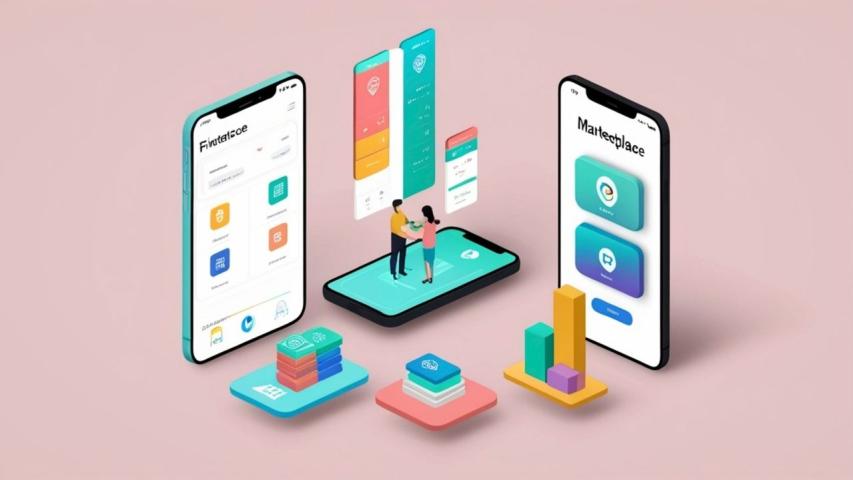
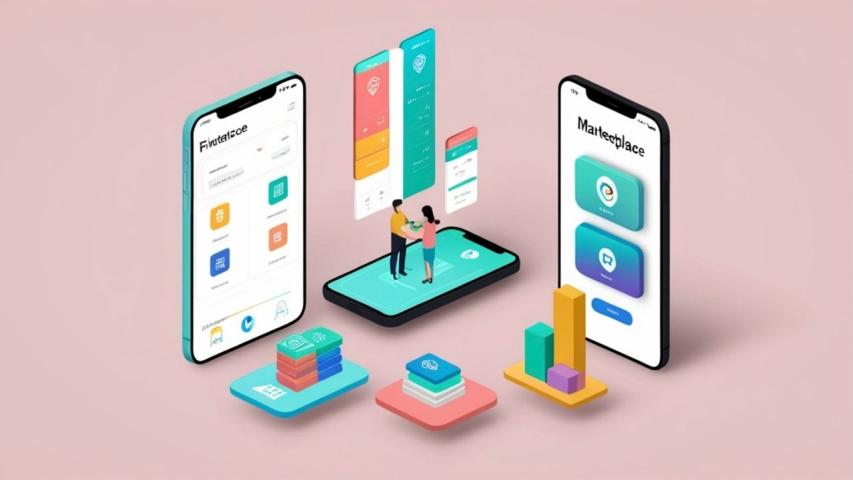
Companies in India are actively investing in mobile app development to simplify business processes, manage daily operations, and improve service accessibility through Android and iOS platforms. Digital applications are now used to track orders, manage delivery staff, offer customer support, and provide automated billing solutions integrated with UPI systems. Enterprises in Tier 1 and Tier 2 cities are using these tools to manage vendor communication, schedule services, and handle subscription-based offerings directly from phone-based dashboards. This approach helps maintain accuracy in reporting, reduces paperwork, and supports online interactions that are essential in the e-commerce, logistics, and education sectors, where daily transactions must be monitored efficiently.
A Short Insight into Business Continuity
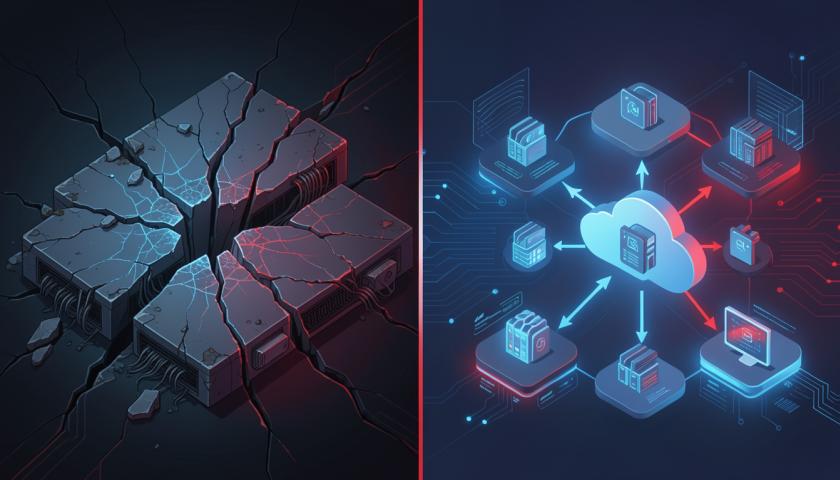
Reliable application systems help organizations maintain service quality during high-demand periods such as festive sales or seasonal travel bookings. By preventing server crashes and downtime, businesses can handle large user traffic without disruptions that may affect online payments or booking confirmations.
Aligning Technology with Industry Requirements
To manage diverse workflows across departments, many enterprises opt for custom app development that matches their internal business operations and reporting needs. Tailored applications can integrate CRM software, billing systems, warehouse tracking tools, and employee management dashboards into a unified environment. This is particularly helpful for Indian companies operating across multiple states where data synchronization and regulatory compliance must be maintained consistently. Startups offering home services, cab booking, and telemedicine platforms also benefit from flexible applications that support scheduling, notifications, and digital documentation for service records. Such solutions allow organizations to operate efficiently across urban and semi-urban markets without increasing administrative workload.
Key Functional Features for Future Ready Apps
For businesses in India planning sustainable growth, digital platforms should include:
Secure login with OTP based authentication
Integration with GST invoicing systems
Real-time order and inventory tracking
Multi-device compatibility across phone and tablet
Location-based service mapping
Push notifications for promotions and reminders
Data encryption for financial transactions
Offline functionality for remote areas
Cloud storage for backup and recovery
Role-based user access for internal teams
Final Words: Creating Long-Term Business Stability
Future-focused digital systems provide Indian enterprises with the flexibility needed to operate in fast-moving markets. By supporting automation, analytics, and integrated services, these applications help organizations maintain consistency in customer service while preparing for expansion into new regions, service models, and digital marketplaces across the country. Such readiness supports innovation across the e-commerce, fintech, education, and logistics sectors that continue to grow within India’s technology-driven economy.