Introduction
India’s business environment has rapidly shifted toward mobile-first engagement, where customers expect quick services, secure payments, and real-time updates directly on their smartphones. From retail chains in metropolitan hubs to service providers in emerging towns, organizations are investing in structured mobile applications that align with operational goals. A business-ready mobile application is not just a customer interface; it acts as a central system connecting sales, logistics, customer support, and finance. Companies that approach app creation with long-term scalability in mind are better positioned to respond to the evolving digital expectations of Indian consumers.
India’s Expanding Digital Infrastructure
The widespread adoption of affordable smartphones and low-cost data plans has fueled India’s mobile growth. Government-backed platforms such as Unified Payments Interface and initiatives led by the Ministry of Electronics and Information Technology have strengthened trust in digital systems. Major technology ecosystems led by companies like Reliance Jio have expanded connectivity even in semi-urban and rural areas. This infrastructure enables businesses to deploy mobile apps that support digital payments, document uploads, eKYC verification, and customer communication without interruption. However, success depends on how effectively the application integrates with backend systems and adapts to local usage patterns.
Building Strong Foundations Through Custom Website Development
To support business-focused mobile solutions, companies often rely on custom website development to create a centralized operational structure. This foundation connects product databases, CRM platforms, vendor systems, and reporting tools to the mobile interface. In sectors such as manufacturing and wholesale distribution, this alignment ensures accurate stock updates and real-time order processing. It also helps enterprises maintain consistent branding and user experiences across desktop and mobile platforms. By designing tailored backend systems, businesses reduce dependency on generic templates and instead build applications that match their workflows and regional market needs.
Digital Expansion Beyond Metro Cities
Cities like Surat, Coimbatore, and Nagpur are witnessing steady digital business adoption. Local enterprises are launching mobile applications to manage bookings, service requests, and customer engagement, contributing to India’s wider economic digitization.
Enhancing Operational Control with web app development
A robust mobile strategy also depends on Web app development to manage administrative tasks, analytics, and performance tracking. Web applications often function as the control center for mobile platforms, enabling managers to monitor sales metrics, customer behavior, and operational efficiency. For example, retail companies can oversee branch performance across states through centralized dashboards. Logistics firms can track fleet movement and delivery confirmations in real time. These web-based systems allow businesses to maintain structured oversight while the mobile app handles customer-facing interactions. This dual structure supports both scalability and operational transparency.
Essential Components of Business-Ready Mobile Applications
To perform efficiently in India’s competitive market, mobile applications typically include:
Secure authentication with multi-factor verification
Integration with UPI and digital wallets
Multi-language support for regional accessibility
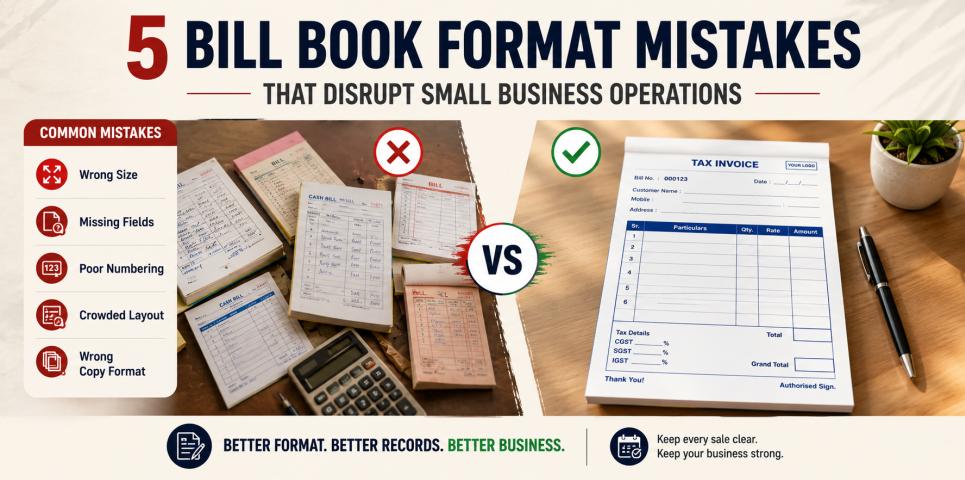
Automated invoice and billing generation
Real-time customer support chat features
Data analytics and reporting modules
Cloud synchronization for document storage
Offline mode support for low-network areas
These features enable businesses to deliver dependable services while maintaining operational clarity and regulatory compliance.
Final Words
India’s digital market demands mobile applications that align with business processes, regulatory requirements, and customer expectations. Enterprises that focus on structured planning, backend integration, and localized functionality are better prepared to sustain growth in a mobile-driven economy. As connectivity continues to expand across the country, organizations investing in enterprise-grade mobile systems will be well-positioned to support customers, manage internal operations, and adapt to the changing dynamics of India’s digital commerce landscape.