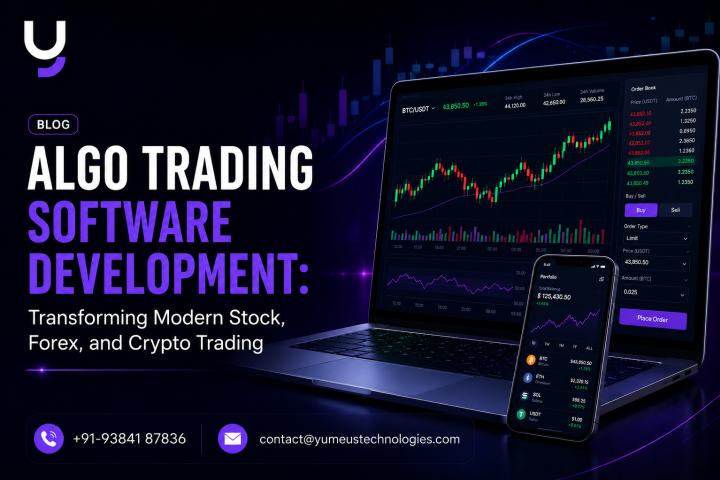
Algorithmic trading, commonly known as algo trading, has transformed the way financial markets operate. Instead of relying solely on manual decision-making, traders now use advanced software that executes trades automatically based on predefined rules and strategies. These systems analyze market data, identify opportunities, and execute trades at high speed, helping traders minimize risks and maximize efficiency. As financial markets become more competitive and data-driven, the demand for robust algorithmic trading software continues to grow.
This guide explores the fundamentals of algorithmic trading software development, including its features, technologies, and key considerations for building a reliable trading platform.
What is Algorithmic Trading Software?
Algorithmic trading software is a technology solution that uses computer algorithms to automate trading activities in financial markets. These algorithms analyze multiple market parameters such as price, volume, timing, and market trends to execute trades automatically.
Algo trading systems are widely used in stock markets, forex trading, cryptocurrency markets, and derivatives trading. By eliminating emotional decision-making and enabling high-speed transactions, algorithmic trading platforms allow traders and institutions to take advantage of market opportunities more efficiently.
Key Benefits of Algorithmic Trading Software
1. Faster Trade Execution
Algorithmic trading software can execute trades within milliseconds. This speed allows traders to capitalize on market opportunities that would be impossible to capture manually.
2. Reduced Human Errors
Automated trading systems follow predefined strategies and rules, reducing the chances of emotional or manual errors during trading.
3. Advanced Data Analysis
Algo trading platforms can process massive volumes of market data in real time, enabling traders to make informed decisions based on accurate insights.
4. Efficient Risk Management
Risk management tools such as stop-loss, position limits, and automated portfolio balancing help traders protect their investments.
5. Backtesting Capabilities
Algorithmic trading software allows users to test trading strategies using historical data before deploying them in live markets.
Key Features of Algorithmic Trading Software
A well-designed algorithmic trading platform should include several essential features to ensure efficiency, reliability, and performance.
Automated Trading Strategies
The platform should allow traders to create, deploy, and manage automated trading strategies based on technical indicators or custom logic.
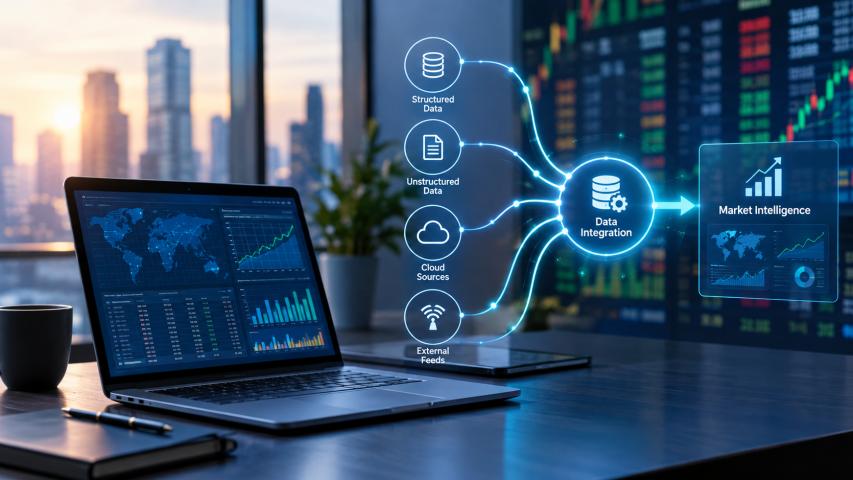
Real-Time Market Data Integration
Integration with reliable market data sources ensures accurate and timely trading decisions.
Backtesting and Simulation Tools
Backtesting helps traders test their strategies using historical data to evaluate potential performance.
Risk Management Tools
Advanced risk management features such as stop-loss orders, position monitoring, and portfolio diversification are critical.
High-Speed Execution Engine
A powerful execution engine ensures that trades are processed quickly and efficiently.
Analytics and Reporting Dashboard
Comprehensive analytics dashboards help traders track performance, monitor strategies, and analyze market trends.
Technologies Used in Algorithmic Trading Software Development
Developing a reliable algorithmic trading system requires a combination of advanced technologies and programming tools.
Programming Languages
Common languages used in algo trading development include Python, Java, C++, and JavaScript.
Data Processing Frameworks
Big data processing frameworks help handle large volumes of market data and analytics.
Cloud Infrastructure
Cloud platforms enable scalable and reliable trading environments capable of handling high trading volumes.
Artificial Intelligence and Machine Learning
AI and machine learning technologies enhance predictive analytics, helping traders identify profitable trading opportunities.
APIs and Market Integrations
Trading APIs allow the platform to connect with exchanges, brokers, and liquidity providers.
Challenges in Algorithmic Trading Software Development
Despite its advantages, developing an algorithmic trading platform comes with several challenges.
Low Latency Requirements
Trading systems must execute trades with minimal delay to remain competitive in fast-moving markets.
Data Accuracy and Reliability
Reliable market data sources are essential to ensure accurate trading decisions.
Security and Compliance
Trading platforms must implement strong security protocols and comply with financial regulations.
System Scalability
The platform must handle increasing trading volumes and users without performance issues.
Addressing these challenges requires careful system architecture design and advanced engineering expertise.
Future of Algorithmic Trading
The future of algorithmic trading is expected to be driven by artificial intelligence, big data analytics, and advanced automation technologies. AI-powered trading algorithms can analyze complex market patterns, predict trends, and execute smarter trades.
Additionally, the growing popularity of cryptocurrency markets and decentralized finance (DeFi) is creating new opportunities for algorithmic trading systems. As financial markets continue to evolve, algorithmic trading software will play a crucial role in enabling efficient, data-driven trading strategies.
Final Thoughts
Algorithmic trading software development is a complex but highly rewarding process that combines financial expertise with advanced technology. From building high-performance trading engines to implementing robust risk management tools, every component of the platform must be carefully designed to ensure efficiency, speed, and security.
Businesses looking to build advanced trading solutions often partner with experienced development companies that specialize in financial technology. Blockchain Development Companies like Softean provide end-to-end algo trading software development services, helping businesses create scalable, secure, and high-performance trading platforms tailored to modern financial markets.