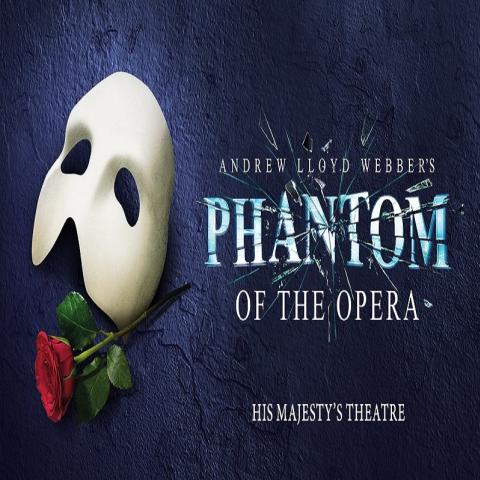
Few stage productions have achieved the worldwide recognition and lasting popularity of The Phantom of the Opera. Since its debut in London in 1986, this legendary musical has become one of the most successful and influential productions in global theatre. With its powerful music, dramatic storytelling, and spectacular stage design, the show has captivated audiences across continents and played a significant role in shaping the reputation of the West End theatre as a global hub for world-class theatre.
Origins and Early Success
The Phantom of the Opera was composed by Andrew Lloyd Webber and is based on the classic novel by Gaston Leroux. The story revolves around a mysterious masked figure who lives beneath the Paris Opera House and becomes obsessed with a talented young singer named Christine. The musical combines romance, mystery, and tragedy, making it one of the most compelling theatre stories ever performed.
The production premiered at Her Majesty's Theatre in London’s famous theatre district. From the moment it opened, the show received critical acclaim for its haunting music, elaborate costumes, and breathtaking stage effects. Songs such as “The Music of the Night” and “All I Ask of You” quickly became iconic pieces of musical theatre.
Its success helped strengthen the reputation of the London West End as a leading destination for major musical productions. The show attracted both local audiences and international tourists eager to experience the magic of live theatre.
Impact on West End Theatre
The long-running success of The Phantom of the Opera significantly contributed to the growth and global recognition of the West End theatre. The production demonstrated how large-scale musicals could draw global audiences and sustain long theatre runs. For decades, theatre lovers have travelled to London specifically to watch the show and purchase West End tickets for this iconic performance.
The musical also raised production standards within the theatre industry. Its impressive stage design—including the famous falling chandelier—set new expectations for technical innovation in theatre. Other productions in the London West End soon followed this trend by investing in elaborate sets, advanced lighting systems, and visually stunning stage effects.
In addition, the show contributed significantly to theatre tourism in London. Visitors from around the world consider watching a musical in the London West End an essential cultural experience, and The Phantom of the Opera became one of the main attractions for theatre audiences.
Global Expansion and International Productions
After achieving massive success in London, The Phantom of the Opera expanded to international stages. The musical opened on Broadway in 1988, where it also became one of the longest-running productions in theatre history. From there, it spread to numerous countries including Australia, Japan, Germany, and Canada.
Today, the show has been performed in more than 40 countries and translated into multiple languages. International touring productions have allowed audiences worldwide to experience the magic of this legendary musical. Cities across Europe, Asia, and North America have hosted performances that draw thousands of theatre enthusiasts every year.
This global reach has helped cement the show’s reputation as one of the most successful musicals ever created. Its continued popularity proves that powerful storytelling and unforgettable music can cross cultural and language barriers.
Cultural Influence and Lasting Legacy
The influence of The Phantom of the Opera extends far beyond the stage. The musical has inspired film adaptations, international tours, and numerous theatrical revivals. It has also influenced future musicals in terms of production scale, music composition, and storytelling techniques.
For many theatre fans, the show represents the golden standard of musical theatre. Its success continues to inspire new productions and demonstrate the creative potential of live theatre. The combination of dramatic storytelling, emotional music, and innovative stagecraft has ensured its place in theatre history.
Even decades after its premiere, The Phantom of the Opera remains one of the most sought-after shows for theatre lovers purchasing West End tickets. Its legacy continues to strengthen the global reputation of the London West End, ensuring that it remains a major centre for theatre excellence.
Conclusion
The journey of The Phantom of the Opera from a London premiere to a global theatre phenomenon highlights the power of musical storytelling. Its success helped transform the West End theatre into one of the most respected theatre destinations in the world.
With unforgettable music, spectacular stage design, and a timeless story, the production continues to influence theatre culture across the globe. Even after decades of performances, the musical remains a symbol of excellence in the London West End and a must-see experience for theatre audiences everywhere.