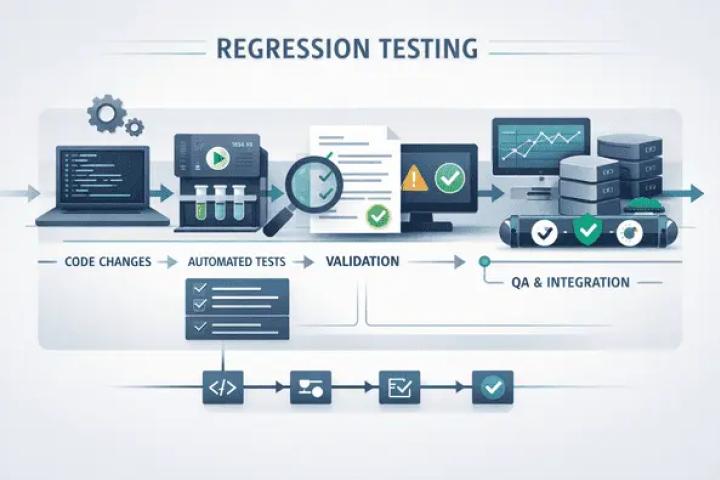
APIs are the backbone of modern applications, enabling communication between services, platforms, and third-party integrations. As APIs evolve, versioning becomes necessary to introduce new features without breaking existing functionality. However, every change introduces risk—and this is where regression testing plays a critical role.
Regression testing ensures that updates to APIs do not disrupt existing consumers, maintaining backward compatibility and system stability. In this guide, we’ll explore how regression testing supports API versioning and helps teams deliver reliable updates.
Understanding API Versioning and Backward Compatibility
API Versioning
API versioning allows developers to introduce changes without affecting existing users. Common approaches include:
- URI versioning
- Header-based versioning
- Query parameter versioning
Backward Compatibility
Backward compatibility ensures that older clients can continue using the API even after updates.
Why It Matters
- Prevents breaking changes for users
- Ensures smooth transitions between versions
- Maintains trust with API consumers
Why Regression Testing Is Essential for APIs
When APIs evolve, even small changes can impact existing functionality.
Risks Without Regression Testing
- Broken endpoints
- Unexpected response changes
- Integration failures
- Data inconsistencies
Regression testing helps detect these issues early.
How Regression Testing Supports API Versioning
Let’s explore the key ways regression testing ensures stability during API updates.
1 Validates Existing Endpoints
Every time a new version is introduced, existing endpoints must still function correctly.
What to Test
- Response structure
- Status codes
- Data accuracy
Impact
Ensures that older clients continue to work without modification.
2 Detects Breaking Changes Early
Breaking changes can disrupt integrations.
Examples
- Removing fields from responses
- Changing request formats
- Modifying authentication mechanisms
Benefit
Regression testing identifies these issues before deployment.
3 Ensures Consistency Across Versions
Multiple API versions may coexist.
How It Helps
- Validates behavior across versions
- Ensures consistent functionality
- Prevents conflicts between versions
This is critical for maintaining stability.
4 Validates Integration Points
APIs often interact with multiple services.
What to Test
- Service-to-service communication
- Database interactions
- Third-party integrations
Regression testing ensures that changes in one version do not affect others.
5 Supports Continuous Delivery
Frequent API updates require fast and reliable testing.
Role in CI CD
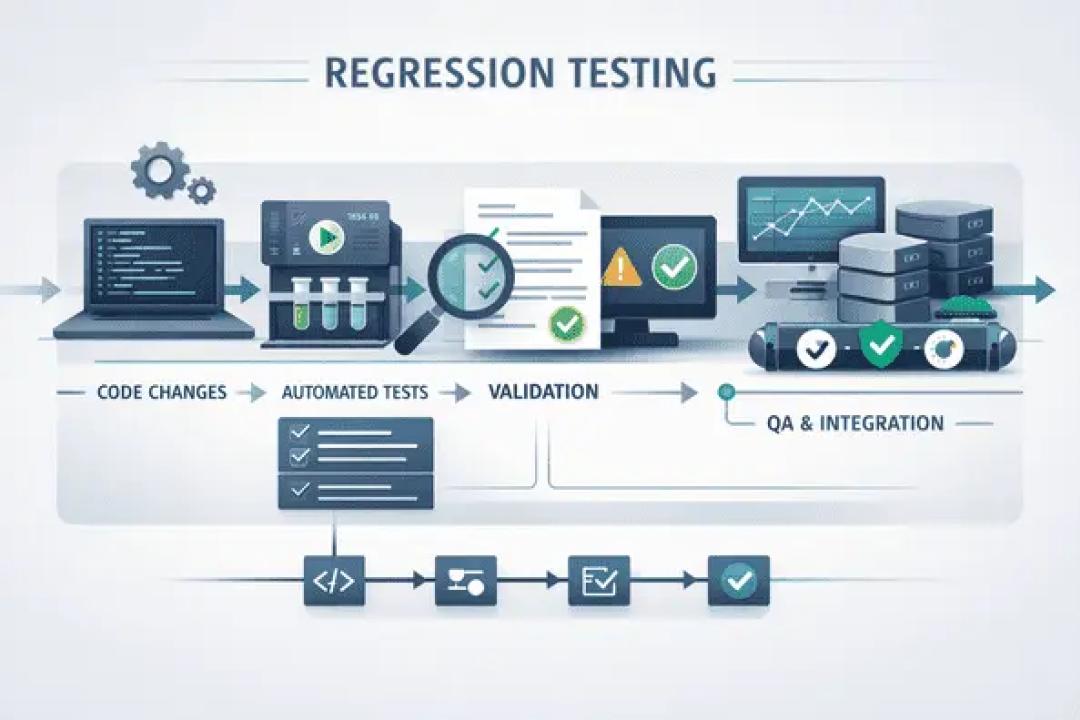
- Automated regression tests run on every change
- Immediate feedback on issues
- Faster and safer releases
This enables teams to iterate quickly without compromising quality.
Role of Baseline Testing
In the context of API versioning, baseline testing plays an important role.
Baseline testing establishes a reference point for API behavior. Regression testing then compares new versions against this baseline to identify deviations.
Benefits
- Detects unexpected changes in responses
- Ensures consistency over time
- Improves confidence in API updates
Using both approaches together strengthens testing strategies.
Best Practices for API Regression Testing
To ensure effective regression testing for APIs:
- Maintain a comprehensive test suite for all endpoints
- Automate regression tests for faster execution
- Validate both functional and non-functional aspects
- Monitor response changes carefully
- Test across multiple API versions
These practices help maintain backward compatibility.
Common Challenges
Teams may encounter challenges such as:
- Managing multiple API versions
- Keeping test cases updated
- Handling complex integrations
- Balancing speed and coverage
Addressing these challenges requires proper planning and automation.
Role of Modern Tools
Modern tools simplify API regression testing by:
- Automating test execution
- Capturing real API interactions
- Providing detailed reports
For example, platforms like Keploy can generate test cases from real API calls, helping teams validate backward compatibility more effectively.
Real World Example
Consider a payment API used by multiple clients.
Without Regression Testing
- New version breaks existing integrations
- Clients face transaction failures
- Increased support and maintenance costs
With Regression Testing
- Existing endpoints are validated
- Backward compatibility is ensured
- Smooth transition between API versions
This highlights the importance of structured testing.
Conclusion
Regression testing is essential for maintaining stability in API versioning and ensuring backward compatibility. By validating existing endpoints, detecting breaking changes, and supporting continuous delivery, it helps teams deliver updates without disrupting users.
When combined with baseline testing and automation, regression testing provides a strong foundation for managing evolving APIs—ensuring reliability, consistency, and trust in modern software systems.