
As the only HR person in company, it can feel empowering at first. You have complete ownership of policies, hiring, employee relations and culture. But as the time passes, you start realizing that being a one human team leads to carrying the full HR ecosystem in isolation. All of a sudden it falls to you to recruit, comply, onboard, engage employees, coordinate payroll and mediate conflict.
If you are working HR solo the workload creeps up on you. Leadership questions, last-minute hiring requests, employee complaints and admin tasks can accumulate rapidly. Few HR professionals realize how challenging operating as a team of one can be until they actually do it.
One of the smartest things you can do early is to purposely surround yourself with a reliable HR support network. Having the right people, tools, and communities around you can help fight your isolation, decrease your worries, and do a much better job in your role.
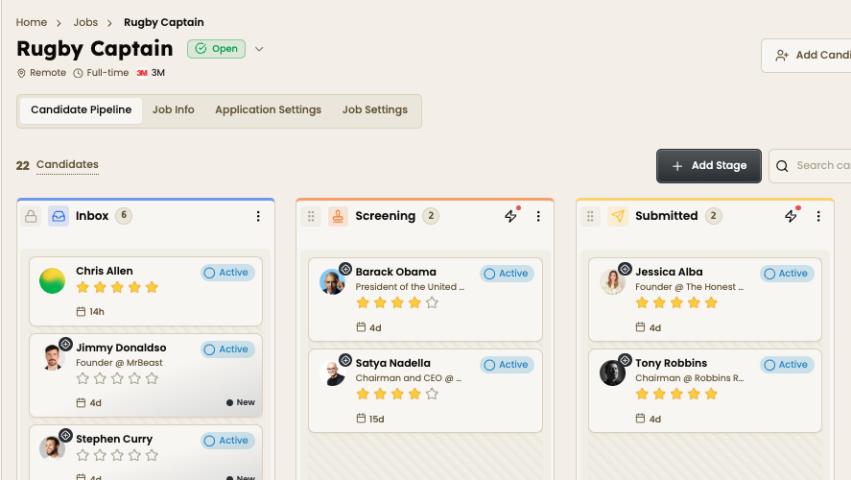
It is more than likely you have already started playing around with tools such as Artificial Intelligence recruitment software or modern hiring software for small businesses that simplifies your hiring duties. Though technology always plays a part in automating mundane tasks, a well-rounded human support system is just as essential for making thoughtful decisions, sustaining favourable emotional state and career development.
Here, we’ll cover some practicum around building a robust support ecosystem when you are the only person running HR.
Understand Why Solo HR Needs a Support System
Their expectations are that you’ll work as an entire department when there’s only one of you. Leadership expects that HR processes will run smoothly but is often only one person responsible for everything.
However, this is just the start of the challenges of solo HR. You are likely to experience decision fatigue, be in constant interruptions and do not have trusted confidants to discuss things that you expect to come from larger organizations where they have many HR professionals. Such discussions might involve validation of policies, brainstorm hiring strategies, or discuss employee cases.
When you are the only HR person in company, creating this structured HR support network is simply not an option, but a way of survival. When the time passes, it will facilitate access to guidance, help allocate responsibilities, and prevent burnout which is very common for solo HR professionals.
Create Strong Internal Alliances between Departments
The first layer of support should be your organization. Even though it is just one person, one can still create relationships to work collaboratively with other managers and department heads. You should intentionally reach out to team leads, finance managers, and leaders of operations.
Everyone else can help with HR tasks to some extent, they can act as back-up during onboarding, help with interview schedules, or make sure all staff members adhere to company policies. With internal alliances, a solo HR Manager can reduce daily workload pressure. In an environment where a given leader understands the life of solo HR, he or she is more likely to perform responsibilities.
After a while, these relationships form a functioning HR support network within the organization, helping make work easy.
Join HR Communities and Professional Associations
Another layer of significant organizational support comes externally. When you are the only HR person in company, it is very valuable. Online communities, professional organizations, and groups in the industry provide one platform where people can share their experiences. Members discuss common arguments such as employment disputes, recruitment strategies, and compliance.
For one-person HR teams, those communities serve as a sort of extended HR department. You get to tap into insights, templates and stories from other career professionals who are familiar with the challenges of going it alone in the HR space.
Almost all HR professionals working alone report significant improvement in confidence and response to problems when joining communities.
Find a Mentor Who Has Managed Solo HR
If you are an HR manager working in isolation, mentorship can help fast-track your success. A mentor with experience working in an HR team of one environment can help you assess complex HR issues.
They can assist you in designing HR processes, establishing realistic priorities and communicating with leadership effectively. Mentors typically impart perspective that keeps small challenges from boiling into big disasters.
If you are a lone HR person in company, mentoring becomes one of the quickest ways to cement your HR support group. For someone who has already walked the path of solo HR, you can now benefit from their experience instead of figuring everything out on your own.
Use Technology to Reduce Isolation
Technology can also function as an extension of your HR team. There are many operational tasks that can be automated by tools including Artificial Intelligence recruitment software and hiring software for small business.
Such tools aid in making candidate sourcing, resume screening, interview scheduling and applicant tracking more efficient. If recruitment processes are automated, a single HR manager can spend more time on strategic activities than on administrative routines.
For an HR person of one, using intelligent tools releases time pressure and lowers the mental load. Technology does not replace human judgment, but rather, it is a vital component of your HR support network.
The point is to select tools to streamline your workflow, not augment it.
Defend Your Time and Mental Bandwidth
Perhaps the biggest risk of being an HR team of one is burnout. Without clear boundaries, HR responsibilities can quickly go beyond the nine-to-five working day.
As an example, you should block time for areas like hiring, policy development and employee relations. Defending these time blocks allows you to concentrate and not be distracted.
By intentionally creating an HR support network, you have avenues for employees and managers to reach out for assistance without bombarding you personally. Having a framework like this helps you as the solo HR manager prioritize effectively and get through the pain points of managing your people in solo mode.
If you want guaranteed ways to solve HR burnout faster, building boundaries and delegating support roles across your network is essential.
Build Long-Term HR Partnerships
Lastly, you want to consider your HR safety net as a long-term career investment and not something that is a stopgap.
All of these people form a positive ecosystem that pushes you to develop, industry contacts, mentors in the industry or at your company, HR communities and supportive managers. For the team of one behind even the most sophisticated HR ecosystem, this cohort is there for moral support, best-practice sharing and tactical insights.
Resourcing yourself is critical when you are the only HR person in company. It derives from establishing the proper relationships and systems that inherently have your back.
A solo HR manager who invests in a strong network can deal with the challenges of working as a solo HR far more effectively and successfully while also preserving performance and well-being.