Interior design in Los Angeles doesn’t always follow a single direction. Some homes lean toward minimal layouts, others carry more layers, but there’s often a shared sense that spaces should feel open without being empty. It’s not always intentional, but the environment—light, climate, architecture—keeps influencing decisions in small ways.
An interior designer Los Angeles projects often involve tends to move between structure and detail without separating them too much. Walls, materials, and lighting are considered early, sometimes before furniture even enters the conversation. That changes how the space develops later on.
Kitchens That Feel More Integrated Over Time
Kitchen spaces in Los Angeles have gradually shifted from being enclosed rooms to something more connected. In projects centered around modern kitchen design Los Angeles, layouts tend to stretch outward, blending into dining or living areas without a clear boundary.
Cabinetry plays a role here, though not always in an obvious way. Storage becomes less visible, finishes stay consistent, and transitions between surfaces soften. This is often where kitchen designers Los Angeles start focusing on alignment—making sure panels, counters, and appliances feel like part of one system rather than separate elements.
It doesn’t always stand out at first. Sometimes it just feels easier to move through the space.
Living Rooms That Don’t Fully Define Themselves
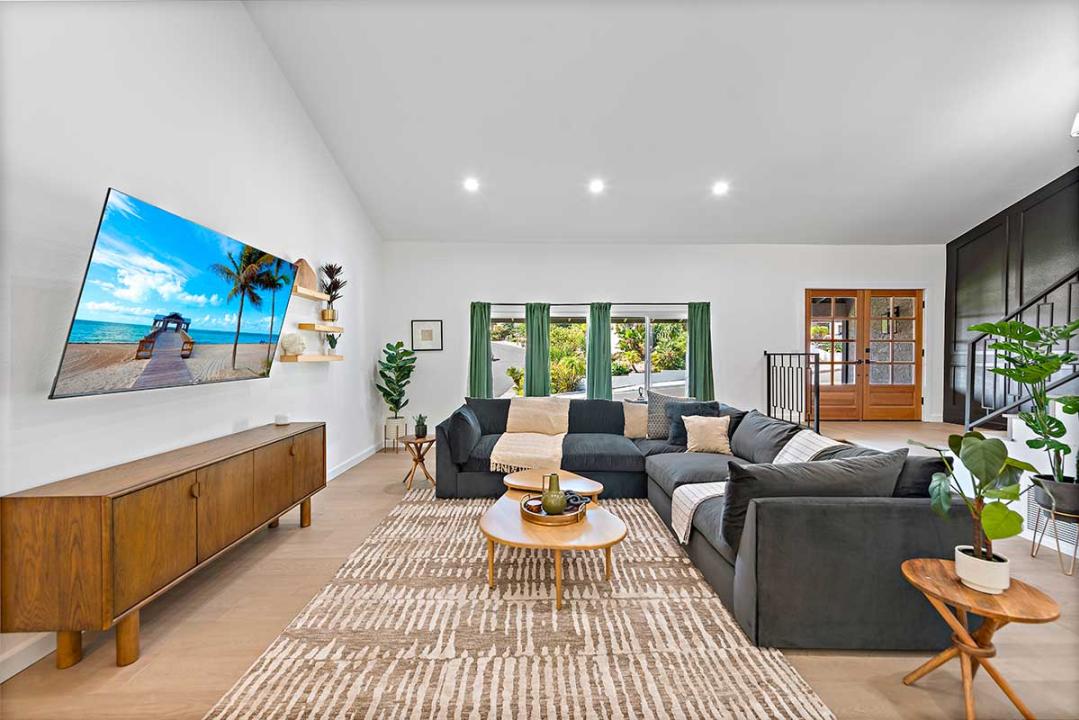
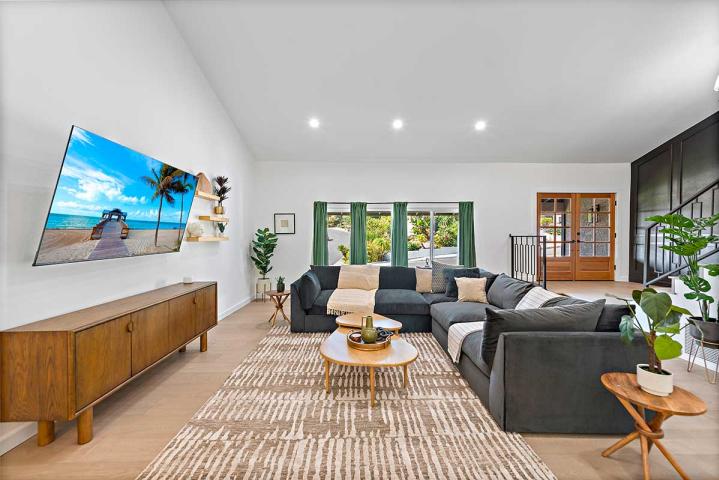
The idea of a Los Angeles living room has changed along with open-plan layouts. These spaces don’t always act as a single zone anymore. Instead, they overlap with kitchens, dining areas, or even workspaces.
Furniture placement can feel slightly informal. Sofas might not face one clear focal point, and shelving or media units often blend into surrounding walls. Materials repeat across the space—wood tones, fabrics, finishes—without creating sharp contrasts.
There’s also a tendency to leave certain areas less defined. Not unfinished, just flexible.
Bedrooms That Stay a Bit More Contained
Bedrooms tend to move in a different direction. While the rest of the home opens up, these spaces stay more controlled. In projects built around luxury bedroom design ideas, the focus shifts toward proportion and layering rather than openness.
Wardrobes are often integrated into walls, sometimes nearly invisible. Lighting comes in layers—overhead, indirect, task-based—but doesn’t draw too much attention. Materials stay within a narrower palette, which changes how the room feels over time.
The idea of luxury interior bedroom design doesn’t always rely on decoration. It leans more toward consistency. If everything aligns—textures, finishes, layout—the space starts to feel settled, even if nothing stands out immediately.
The Overlap Between Function and Aesthetics
One thing that keeps appearing across different spaces is how function and aesthetics start to overlap. Storage solutions affect how a room looks. Lighting decisions influence how materials are perceived. Even small adjustments—like cabinet depth or wall placement—can shift the overall feel.
Designers don’t always separate these decisions. In many cases, they happen at the same time, which is why the final space feels cohesive without clearly showing how it got there.
Materials That Carry Through the Home
Another pattern is how materials move from one room to another. Wood finishes might appear in both cabinetry and furniture. Stone surfaces could extend from kitchens into adjacent spaces. Fabrics and colors repeat, though sometimes in quieter ways.
This doesn’t always create a strong visual statement. Instead, it builds a kind of continuity that becomes more noticeable over time. The home feels connected, even if each room serves a different purpose.
A Few Details That Stay in the Background
Some aspects of interior design don’t get much attention, even though they shape the experience. Alignment between panels, the thickness of surfaces, how light changes throughout the day—these details stay in the background but still affect how the space is perceived.
In Los Angeles homes, where natural light plays a big role, these details tend to shift constantly. A surface that looks flat in the morning might feel textured by the afternoon. It’s not something people always plan for directly, but it becomes part of the design anyway.
Spaces That Don’t Fully Settle
Not every interior feels complete, and that’s probably expected. Some areas remain slightly unresolved, or at least flexible enough to change later. Furniture moves, lighting gets adjusted, new materials get introduced over time.
That doesn’t necessarily take away from the design. If anything, it keeps the space from feeling too fixed. Certain elements stay consistent, others shift, and the overall environment keeps adapting in small ways.
At some point, it stops feeling like a designed space and starts feeling like something that just exists on its own, without needing to explain itself too much.