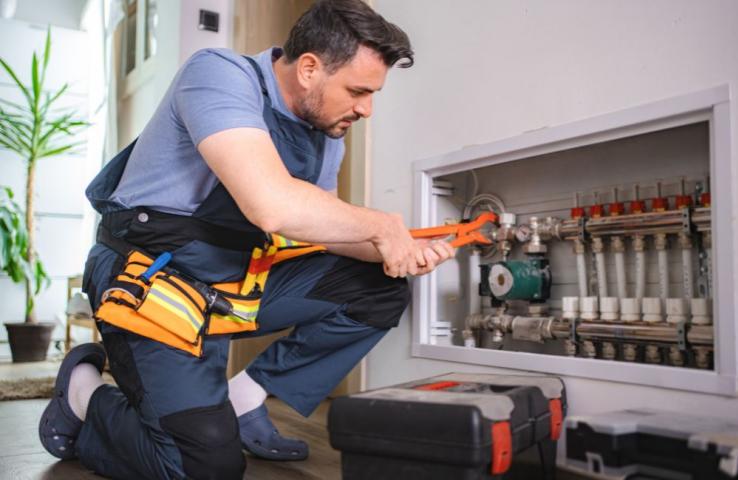
Most plumbing disasters are not sudden. They build up quietly through small leaks, slow drains, mineral deposits, and neglected fixtures. By the time you notice a major issue, the repair cost is already high. The difference between a minor fix and a costly emergency often comes down to routine maintenance.
Homeowners who stay consistent with basic plumbing checks can prevent water damage, reduce utility bills, and extend the lifespan of their system. If you ever feel unsure about a problem, it is always safer to consult professionals offering reliable plumbing services in north las vegas before the issue escalates.
Why Plumbing Maintenance Matters
Ignoring your plumbing system is expensive. Water damage alone can lead to structural issues, mold growth, and ruined flooring or walls. Even something as small as a dripping faucet can waste thousands of liters of water annually.
Routine maintenance helps you:
- Catch leaks early before they spread
- Maintain proper water pressure
- Improve efficiency of fixtures and appliances
- Avoid emergency repair costs
- Extend the life of pipes and systems
The key is not doing everything at once, but building a simple, repeatable checklist.
Monthly Plumbing Checklist
These quick checks take less than 30 minutes but can prevent major issues.
1. Check for Visible Leaks
Inspect under sinks, around toilets, and near appliances like washing machines and dishwashers.
What to look for:
- Damp cabinets
- Water stains
- Musty smell
- Dripping pipes
Even a small leak can worsen fast, so do not ignore it.
2. Test Water Pressure
Low pressure may indicate buildup or leaks. High pressure can damage pipes.
A simple test:
- Turn on a tap fully
- If the flow feels unusually weak or too forceful, it needs attention
3. Inspect Drains
Slow drainage is an early warning sign of clogs.
Watch for:
- Gurgling sounds
- Water backing up
- Foul odors
Avoid chemical cleaners. They often damage pipes over time.
4. Clean Faucet Aerators
Mineral deposits block water flow.
Steps:
- Unscrew the aerator
- Rinse and scrub buildup
- Reattach
This improves flow and water efficiency.
Quarterly Plumbing Checklist
Every three months, take a deeper look.
1. Check Toilet Performance
A running toilet wastes a significant amount of water.
Test it:
- Add a few drops of food coloring in the tank
- Wait 10 minutes without flushing
- If color appears in the bowl, you have a leak
2. Inspect Exposed Pipes
Look at pipes in basements, garages, or utility areas.
Check for:
- Corrosion
- Cracks
- Loose joints
Catching pipe damage early prevents burst pipes later.
3. Test Shut Off Valves
Many homeowners ignore these until an emergency.
- Turn valves off and back on
- Ensure they are not stuck
If a valve fails during a leak, damage multiplies fast.
Seasonal Plumbing Checklist
Different seasons create different risks.
Before Winter
Cold weather can destroy pipes if you are careless.
- Insulate exposed pipes
- Disconnect outdoor hoses
- Shut off exterior water supply
- Check for drafts near plumbing lines
Frozen pipes can burst and cause serious flooding.
Before Summer
Warmer months bring higher water usage.
- Inspect sprinkler systems
- Check outdoor faucets for leaks
- Ensure proper drainage around your home
During Rainy Seasons
Water intrusion becomes a risk.
- Clean gutters and downspouts
- Check sump pump operation
- Ensure proper drainage away from foundation
Annual Plumbing Checklist
Once a year, go deeper and be more thorough.
1. Flush the Water Heater
Sediment buildup reduces efficiency and damages the tank.
- Drain and flush the tank
- Check for unusual noises
- Inspect for rust or leaks
If you skip this, your water heater will fail sooner than expected.
2. Inspect Sewer Lines
Tree roots and debris can clog sewer lines over time.
Warning signs:
- Multiple slow drains
- Sewage smell
- Frequent backups
This is where professional inspection is worth the cost.
3. Check All Appliances
Appliances connected to water lines need attention.
Inspect:
- Washing machine hoses
- Dishwasher connections
- Refrigerator water lines
Replace hoses every few years even if they look fine.
4. Review Your Water Bill
Unexpected increases usually indicate hidden leaks.
If your usage has gone up without reason, investigate immediately.
Common Mistakes Homeowners Make
Most expensive repairs are caused by avoidable mistakes.
Ignoring Small Problems
A dripping tap or slow drain may seem minor. It is not. These are early signals of bigger issues.
Using Chemical Drain Cleaners
They provide temporary relief but weaken pipes over time, especially older plumbing systems.
Overloading Garbage Disposals
Disposals are not designed for grease, fibrous vegetables, or large food scraps.
Skipping Professional Inspections
Some issues cannot be seen without proper tools. Waiting until something breaks is a bad strategy.
When You Should Call a Professional
There is a limit to what DIY maintenance can handle. You should not try to fix everything yourself.
Call a professional if you notice:
- Persistent low water pressure
- Recurring clogs
- Water stains on walls or ceilings
- Unusual pipe noises
- Sudden spikes in water bills
Trying to fix complex plumbing without experience often makes things worse and more expensive.
Simple Habits That Prevent Major Repairs
Consistency beats effort. Small habits make a big difference.
- Do not pour grease down the drain
- Use drain strainers in sinks and showers
- Run water regularly in unused fixtures
- Avoid flushing anything other than toilet paper
- Fix leaks immediately instead of delaying
These are basic, but most homeowners ignore them until something breaks.
Final Thoughts
Plumbing maintenance is not complicated, but it does require discipline. The biggest mistake homeowners make is waiting for a problem instead of preventing it.
If you follow this checklist monthly, quarterly, and annually, you will reduce the risk of emergencies, save money, and keep your home running smoothly. More importantly, you will avoid the kind of repairs that disrupt your life and drain your budget.
Stop treating plumbing as something you deal with only when it fails. Treat it like a system that needs regular attention, just like any other part of your home.