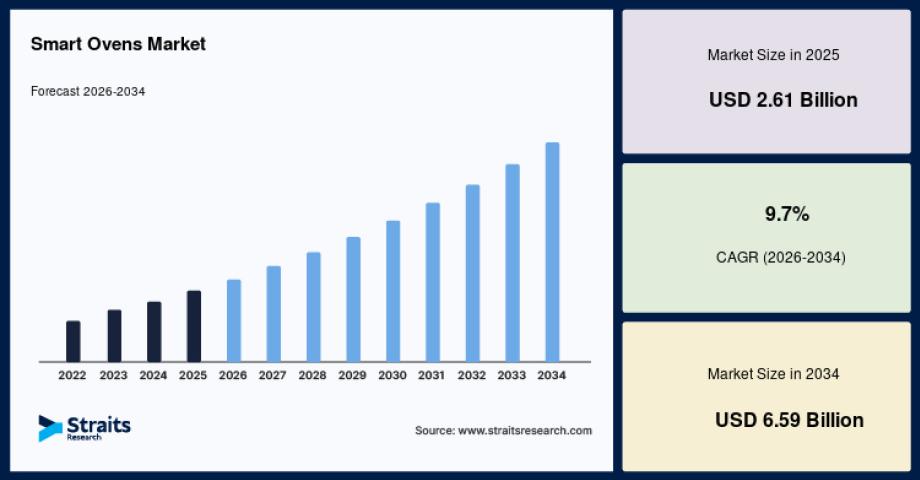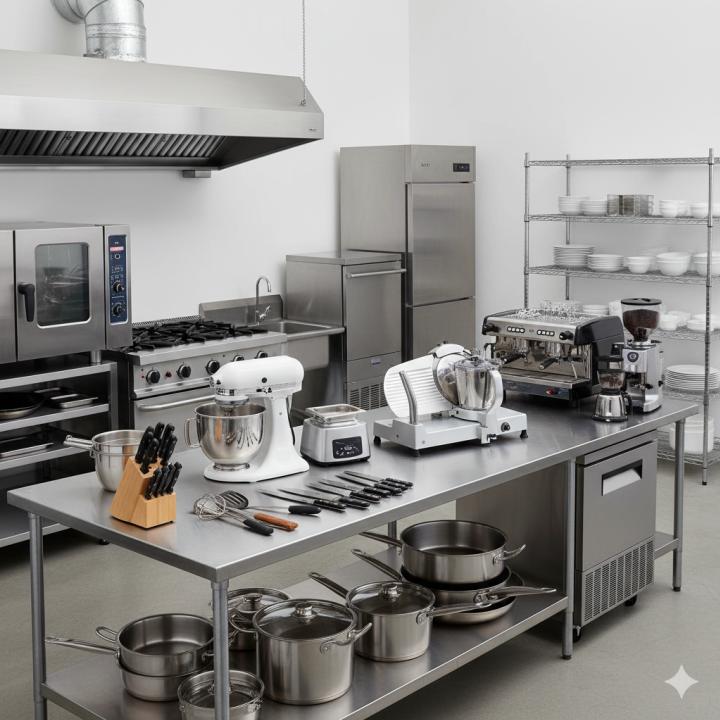
The heart of any high-volume restaurant is its oven. When your kitchen is processing hundreds of orders during a peak dinner rush, the reliability and speed of your cooking equipment determine whether you maintain a seamless flow or descend into operational chaos. Choosing an industrial oven is one of the most significant financial and strategic investments a restaurateur will make. It isn't merely about heat; it is about recovery times, moisture control, and energy efficiency. In a demanding market like Saudi Arabia, where hospitality standards are rising rapidly under Vision 2030, selecting the wrong unit can lead to inconsistent food quality and astronomical utility bills. This guide breaks down the essential factors for choosing an oven that can withstand the rigors of a high-output commercial environment.
Understanding the Core Differences Between Convection and Combi Ovens
The first step in your selection process is deciding on the technology that powers your kitchen. Traditional convection ovens use fans to circulate hot air, ensuring even browning and faster cooking times than standard radiant ovens. These are excellent for high-volume bakeries or restaurants with a focused menu of roasted meats and vegetables. However, many high-volume establishments are transitioning to combi ovens. A combi oven allows you to control both dry heat and steam, giving you the ability to poach, roast, steam, and bake in a single footprint. For a busy restaurant in Riyadh, the versatility of a combi oven means you can prepare delicate seafood in the morning and switch to high-heat roasting for the dinner rush without needing multiple bulky units.
Assessing Throughput and Recovery Times
In a high-volume setting, "throughput" is the only metric that truly matters. You must calculate how many portions your oven can produce per hour. When you open the oven door to load a new tray, the internal temperature drops. High-quality industrial ovens feature advanced insulation and powerful heating elements that offer rapid recovery times. If an oven takes five minutes to return to the target temperature after the door is closed, those lost minutes accumulate, leading to backed-up tickets and frustrated customers. When browsing for kitchen equipment Riyadh suppliers offer, always prioritize units with high-kilowatt ratings or high-BTU gas burners that promise "near-instant" recovery to ensure your kitchen never stops moving.
Energy Efficiency and the Impact of Ambient Heat
Operating a high-volume restaurant in the Middle East presents unique challenges regarding energy consumption. Kitchens already run hot, and adding a massive industrial oven can spike your cooling costs significantly. Modern industrial ovens now come with high-efficiency ratings, such as those meeting SASO or Tarshid standards in Saudi Arabia. Look for triple-paned glass doors and high-density insulation. These features keep the heat inside the cooking chamber where it belongs, rather than leaking it into the kitchen. This not only saves on your electricity or gas bill but also reduces the load on your HVAC system, creating a more comfortable and productive environment for your chefs.
The Role of Automation and Programmable Menus
Consistency is the hallmark of a successful restaurant brand. In a high-volume environment, you cannot always rely on manual monitoring for every dish. High-end industrial ovens now feature touchscreen interfaces that allow chefs to program multi-stage cooking cycles. For example, a chef can program a cycle that starts with high-moisture steam to keep a chicken breast juicy and finishes with high-dry heat for a crispy skin—all at the touch of a button. This level of automation ensures that the food tastes the same whether your head chef or a junior line cook is operating the station. If you are currently researching
Maintenance and Self-Cleaning Functionality
A high-volume oven works hard, which means it gets dirty fast. Carbon buildup and grease are the primary causes of oven failure and fire hazards. In the past, deep-cleaning an industrial oven was a labor-intensive task that required hours of scrubbing after closing. Today, many premium industrial ovens come with integrated self-cleaning systems. These systems use specialized detergent tabs or liquid cleaners to run a wash cycle similar to a dishwasher. While these units have a higher upfront cost, the savings in labor hours and the extension of the oven’s lifespan make them a far more economical choice for busy restaurants that cannot afford downtime.
Durability and Local Technical Support
Finally, you must consider the "after-sales" reality of your purchase. An industrial oven is a mechanical beast with moving parts, sensors, and gaskets that will eventually wear out. Before committing to a specific brand, investigate the availability of spare parts and certified technicians in your region. In a city like Riyadh, having a service center that can respond within four to six hours is the difference between a minor inconvenience and a lost weekend of revenue. Ensure that your supplier provides a comprehensive warranty and a clear maintenance schedule to keep your heavy-duty equipment running at peak performance for years to age.
Conclusion: Making the Right Investment for Your Menu
The right industrial oven is not the one with the most buttons, but the one that aligns perfectly with your menu requirements and volume expectations. By focusing on recovery times, energy efficiency, and ease of maintenance, you ensure that your kitchen remains a profit center rather than a bottleneck. Whether you are upgrading an existing facility or starting a brand-new venture, the quality of your cooking platform is the foundation of your culinary reputation. Are you ready to equip your kitchen with world-class technology? Explore the best selection of kitchen equipment Riyadh has to offer and find the perfect oven to power your restaurant's growth.