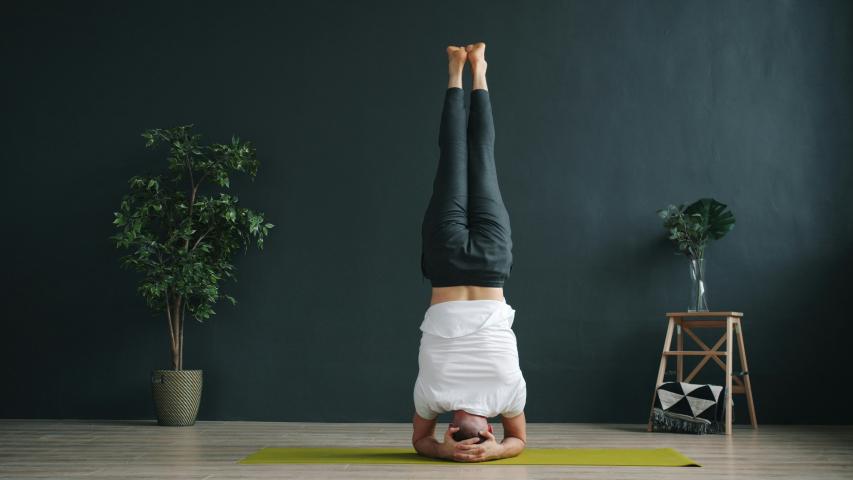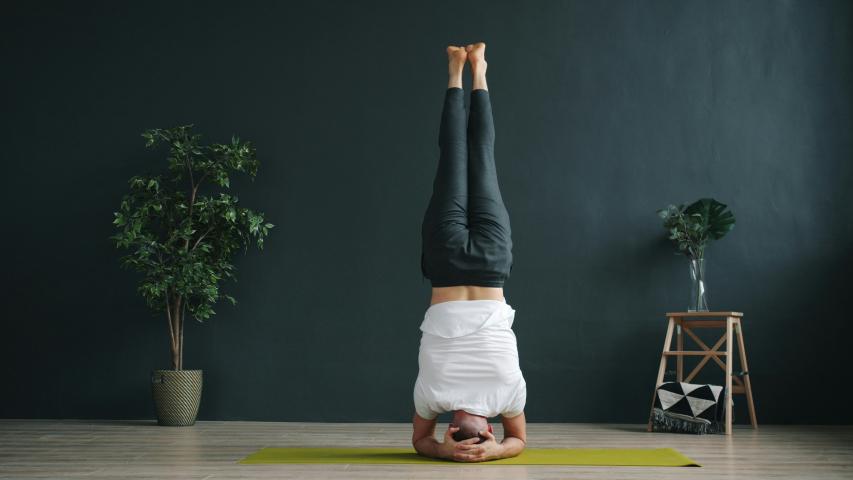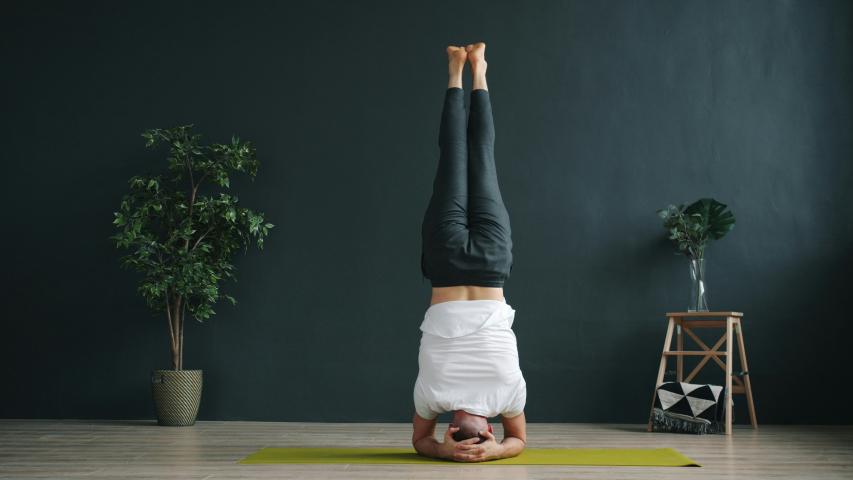
Why Iyengar Yoga is Perfect for Beginners
Iyengar Yoga is one of the most effective and beginner-friendly >, this yoga >
Unlike fast-moving yoga >
Iyengar Yoga is ideal for beginners because it breaks down each posture into simple, manageable steps. It emphasizes learning the correct alignment from the beginning, which helps prevent injuries and builds confidence.
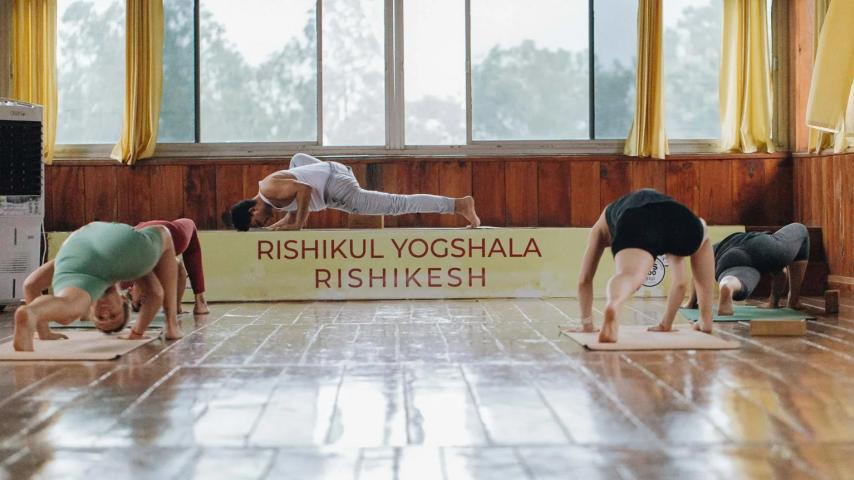
The slower pace of practice allows beginners to focus on breath and body awareness. Props play an important role in supporting the body, ensuring that each pose is performed safely and effectively. This makes Iyengar Yoga inclusive for people of all ages and fitness levels.
Core Principles of Iyengar Yoga
Before starting with poses, beginners should understand the key principles of Iyengar Yoga:
- Alignment: Proper positioning of every part of the body
- Precision: Attention to detail in each movement
- Timing: Holding poses to build endurance
- Use of Props: Supporting the body for correct posture
- Awareness: Developing focus and mindfulness
These principles ensure a safe and rewarding yoga practice.
Essential Iyengar Yoga Poses for Beginners
1. Tadasana (Mountain Pose)
This foundational pose teaches proper posture and alignment.
How to Practice:
Stand straight with feet together, distribute weight evenly, and keep your spine aligned.
Benefits:
- Improves posture
- Strengthens legs
- Enhances body awareness
2. Vrikshasana (Tree Pose)
A balancing pose that builds concentration.
How to Practice:
Stand on one leg and place the other foot on your inner thigh or calf.
Benefits:
- Improves balance
- Strengthens legs
- Increases focus
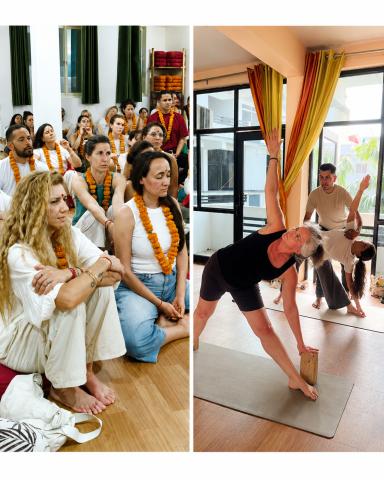
3. Trikonasana (Triangle Pose)
A standing pose that stretches the body sideways.
How to Practice:
Stand with legs wide apart, extend one arm toward your foot, and lift the other upward.
Benefits:
- Enhances flexibility
- Strengthens legs and hips
- Opens chest and shoulders
4. Adho Mukha Svanasana (Downward Dog)
A classic pose that stretches the entire body.
How to Practice:
Form an inverted V shape by lifting your hips upward and pressing your hands and feet into the ground.
Benefits:
- Relieves back tension
- Improves circulation
- Strengthens arms and legs
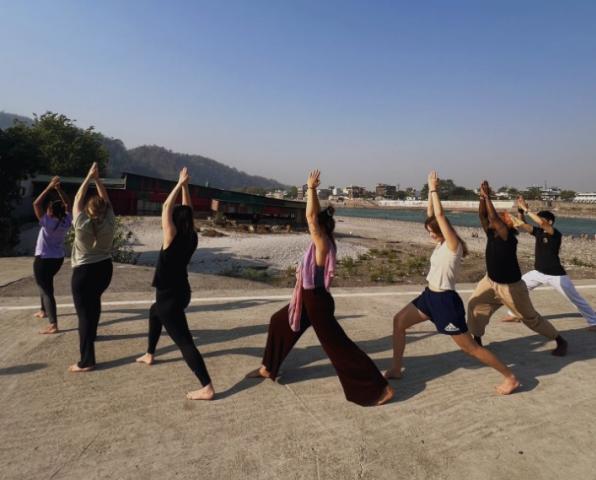
5. Virabhadrasana I (Warrior I Pose)
A powerful pose that builds strength and stability.
How to Practice:
Step one foot forward, bend the knee, and raise your arms overhead.
Benefits:
- Strengthens legs and arms
- Improves balance
- Boosts confidence
6. Paschimottanasana (Seated Forward Bend)
A calming forward bend that stretches the spine.
How to Practice:
Sit with legs extended and bend forward to reach your feet.
Benefits:
- Improves digestion
- Stretches spine and hamstrings
- Reduces stress
7. Setu Bandhasana (Bridge Pose)
A gentle backbend suitable for beginners.
How to Practice:
Lie on your back, bend your knees, and lift your hips upward.
Benefits:
- Strengthens the back
- Improves flexibility
- Reduces anxiety
8. Savasana (Corpse Pose)
The final relaxation pose that completes the session.
How to Practice:
Lie flat on your back with your body relaxed and eyes closed.
Benefits:
- Promotes deep relaxation
- Reduces stress
- Improves mental clarity
Importance of Props in Iyengar Yoga
Props are an essential part of Iyengar Yoga, especially for beginners. They make poses easier and safer to perform while ensuring proper alignment.
- Blocks help support the hands in standing poses
- Straps assist in stretching and reaching
- Blankets provide cushioning and support
- Bolsters enhance comfort in restorative poses
Using props allows beginners to practice without strain and gradually improve flexibility and strength.
Physical Benefits of Iyengar Yoga for Beginners
Iyengar Yoga helps beginners develop strength, flexibility, and balance in a gradual and safe manner. The focus on alignment ensures that muscles are engaged correctly, reducing the risk of injury.
Regular practice improves posture and relieves stiffness, especially in the back, neck, and shoulders. Holding poses also builds endurance and stability over time.
Mental and Emotional Benefits
The slow and mindful nature of Iyengar Yoga promotes mental clarity and emotional balance. Beginners often experience reduced stress and improved focus through regular practice.
By concentrating on alignment and breath, practitioners develop mindfulness and stay present. This helps reduce anxiety and promotes a sense of calm and relaxation.
Common Mistakes to Avoid
Beginners should be aware of common mistakes while practicing Iyengar Yoga:
- Rushing through poses instead of holding them
- Ignoring proper alignment
- Avoiding the use of props
- Overstretching the body
- Holding the breath
Avoiding these mistakes ensures a safe and effective practice.
Tips for Beginners
To make the most of Iyengar Yoga, beginners should follow these tips:
- Start with basic poses and progress gradually
- Focus on alignment rather than flexibility
- Use props whenever needed
- Practice regularly
- Listen to your body and avoid strain
Learning under a trained instructor can also help improve technique and confidence.
Conclusion
Iyengar yoga poses for beginners offer a structured and safe approach to learning yoga. With its emphasis on alignment, precision, and mindful awareness, this >
Developed by B. K. S. Iyengar, Iyengar Yoga is suitable for everyone, regardless of age or fitness level. Its use of props and detailed instructions makes it especially beneficial for beginners.
With regular practice, beginners can experience improved posture, increased strength, reduced stress, and a deeper connection with their body and mind. Iyengar Yoga is not just about performing poses—it is about creating balance, awareness, and harmony in everyday life.