
Introduction: The Growing Need to Hire Computer Vision Engineers
In today’s data-driven world, businesses are increasingly relying on visual data to gain insights, automate processes, and improve decision-making. The ability to interpret images and videos using artificial intelligence has opened new opportunities across industries such as healthcare, retail, automotive, manufacturing, and security. This is where the demand to hire computer vision engineers becomes critical.
Organizations are investing in advanced AI solutions that can analyze visual inputs in real time, detect objects, recognize patterns, and generate actionable insights. To build such intelligent systems, skilled computer vision engineers are essential. These professionals combine expertise in machine learning, deep learning, and image processing to develop applications that can “see” and understand the world much like humans do.
As the adoption of visual AI continues to grow, companies that hire computer vision engineers are better positioned to innovate, automate operations, and stay ahead in competitive markets.
Understanding the Role When You Hire Computer Vision Engineers
When businesses decide to hire computer vision engineers, they are bringing in specialists who design, develop, and deploy systems capable of interpreting visual data. These engineers work with technologies such as convolutional neural networks (CNNs), object detection algorithms, image segmentation techniques, and deep learning frameworks.
Their responsibilities typically include training models on large datasets, fine-tuning algorithms for accuracy, and integrating computer vision systems into real-world applications. Whether it’s developing facial recognition systems, quality inspection tools, or autonomous navigation solutions, computer vision engineers play a crucial role in turning visual data into meaningful insights.
Hiring the right professionals ensures that AI models are not only accurate but also scalable, efficient, and aligned with business objectives.
Why Businesses Should Hire Computer Vision Engineers
Organizations across industries are recognizing the value of visual intelligence, which is why the decision to hire computer vision engineers is becoming increasingly important. These engineers help automate tasks that traditionally required human vision and manual effort.
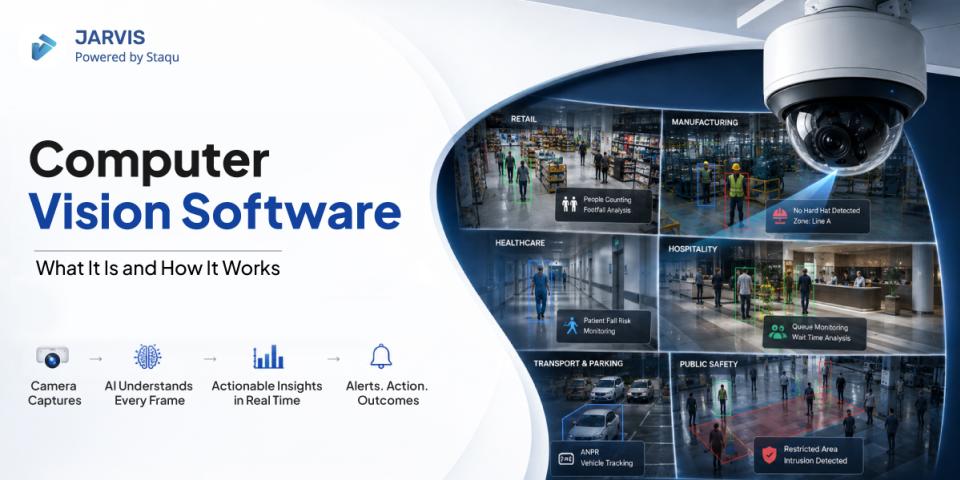
For example, in manufacturing, computer vision systems can detect defects in products on assembly lines. In retail, they can analyze customer behavior and optimize store layouts. In healthcare, they assist in medical imaging analysis and diagnostics. By hiring skilled engineers, companies can leverage these capabilities to improve efficiency, reduce errors, and enhance overall productivity.
Moreover, computer vision engineers help businesses build custom solutions tailored to their specific use cases, ensuring better performance compared to generic off-the-shelf tools.
Key Skills to Look for When You Hire Computer Vision Engineers
When looking to hire computer vision engineers, it is essential to evaluate both technical and practical skill sets. These professionals should have a strong foundation in programming languages such as Python or C++, along with experience in machine learning frameworks like TensorFlow or PyTorch.
A deep understanding of image processing techniques, neural networks, and data preprocessing is crucial. In addition to technical expertise, problem-solving ability and experience with real-world datasets are important for building robust systems. Familiarity with deployment tools, cloud platforms, and edge computing can also be valuable depending on the project requirements.
Soft skills such as collaboration, communication, and adaptability are equally important, as computer vision engineers often work with cross-functional teams including data scientists, developers, and product managers.
Industries That Benefit When You Hire Computer Vision Engineers
Computer vision is being widely adopted across multiple industries, making it essential for organizations in different sectors to hire computer vision engineers.
In healthcare, computer vision helps in analyzing medical images such as X-rays, MRIs, and CT scans for early disease detection. In retail, it supports inventory tracking, customer behavior analysis, and cashier-less checkout systems. In automotive, it plays a key role in developing autonomous driving technologies and driver assistance systems.
Manufacturing companies use computer vision for quality control and defect detection, while the security sector relies on it for surveillance, facial recognition, and threat detection. Each of these industries benefits significantly from engineers who can build and maintain advanced visual AI systems tailored to their needs.
Challenges Businesses Face When Hiring Computer Vision Engineers
While the decision to hire computer vision engineers brings many advantages, it also comes with certain challenges. One of the primary challenges is the limited availability of highly skilled professionals in this niche field. Computer vision requires specialized knowledge, which can make hiring competitive and time-consuming.
Another challenge is evaluating candidates effectively, as the role demands both theoretical understanding and practical experience. Businesses must also consider the cost of hiring experienced engineers, which can be relatively high depending on expertise and location.
Additionally, retaining talent can be difficult due to high demand in the AI industry. Organizations need to offer competitive compensation, growth opportunities, and engaging projects to attract and retain top computer vision talent.
Best Practices to Hire Computer Vision Engineers Successfully
To successfully hire computer vision engineers, businesses should adopt a structured hiring approach. Clearly defining project requirements and expected outcomes is the first step. This helps in identifying candidates with relevant experience and skill sets.
Conducting technical assessments and real-world problem-solving exercises can provide insights into a candidate’s capabilities. Reviewing portfolios, GitHub repositories, and previous projects is also helpful in evaluating practical experience.
Collaboration with specialized AI recruitment agencies or technology partners can simplify the hiring process. These partners often have access to pre-vetted talent pools, making it easier to find qualified engineers. Additionally, offering competitive benefits and a positive work environment can help attract top talent in this competitive field.
Cost Considerations When You Hire Computer Vision Engineers
The cost to hire computer vision engineers can vary depending on factors such as experience level, geographic location, and project complexity. Senior engineers with extensive experience in deep learning and large-scale deployments typically command higher salaries.
Organizations must also consider additional costs such as training, infrastructure, and software tools required for developing computer vision solutions. While the initial investment may be significant, the long-term benefits in terms of automation, efficiency, and innovation often outweigh the costs.
Many businesses choose flexible hiring models such as full-time hiring, outsourcing, or dedicated development teams to manage costs while still accessing specialized expertise.
Future Trends Driving the Demand to Hire Computer Vision Engineers
The demand to hire computer vision engineers is expected to grow as new technologies continue to emerge. Advances in deep learning, edge AI, and real-time processing are expanding the capabilities of computer vision systems.
Applications such as autonomous vehicles, smart cities, augmented reality, and industrial automation are driving the need for more sophisticated visual AI solutions. As more industries adopt these technologies, the demand for skilled engineers who can design and implement them will continue to rise.
Businesses that invest early in building strong computer vision teams will be better equipped to leverage these advancements and stay competitive in the evolving digital landscape.
Conclusion: Building the Future with Computer Vision Talent
The decision to hire computer vision engineers is a strategic move for organizations looking to harness the power of visual data. These professionals enable businesses to build intelligent systems that can analyze, interpret, and act on images and videos in real time.
From improving operational efficiency to enabling innovative applications, computer vision is transforming industries at a rapid pace. While hiring challenges exist, a well-planned approach can help organizations find the right talent to meet their goals.
As the adoption of AI continues to grow, computer vision engineers will remain at the forefront of technological innovation, helping businesses unlock new possibilities and create smarter, more efficient solutions for the future.