Description:
Learn why ball control is the most important skill for
young players and how it builds confidence, consistency, and long-term success
in soccer.
Category:
Youth Soccer Training
Introduction
Goals get the applause, but they do not tell you much
about a young player. Watch the first touch instead. That quiet moment when the
ball arrives, and the player either settles it or lets it run away, says far
more. In Soccer lessons for beginners in New York, good coaches spend most of
their attention there. Not on the finish, not on the celebration, but on what
happens a second earlier. It is less exciting, sure, but it is where the game
actually begins to make sense for a child.
What
Coaches Look for First
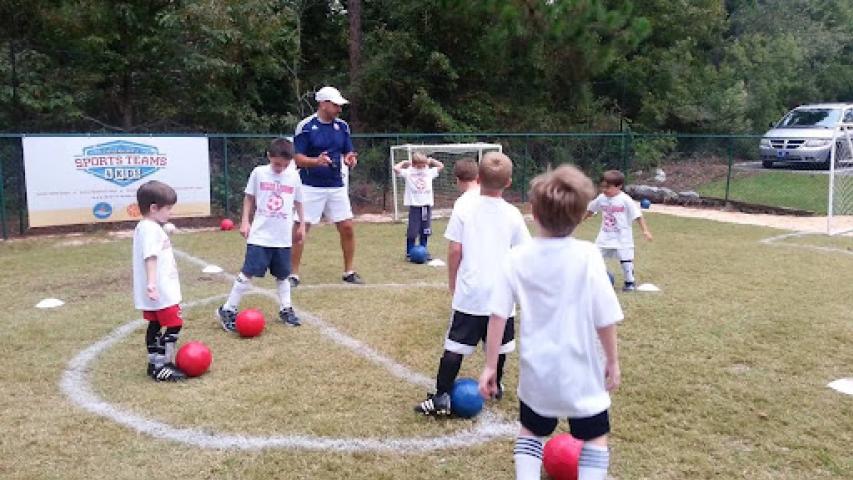
A beginner who can control the ball, even imperfectly,
stays in the play. That alone separates them. The ball does not bounce off and
disappear. They get a second touch, maybe even a third. That extra time allows
decisions to happen instead of reactions. In Soccer lessons for
beginners in New York, sessions are built around this idea. Receiving
with the inside of the foot, adjusting body position, and keeping the ball
within reach. It sounds basic, and it is, but most of the game rests on getting
these basics right.
How
Ball Control Builds Confidence
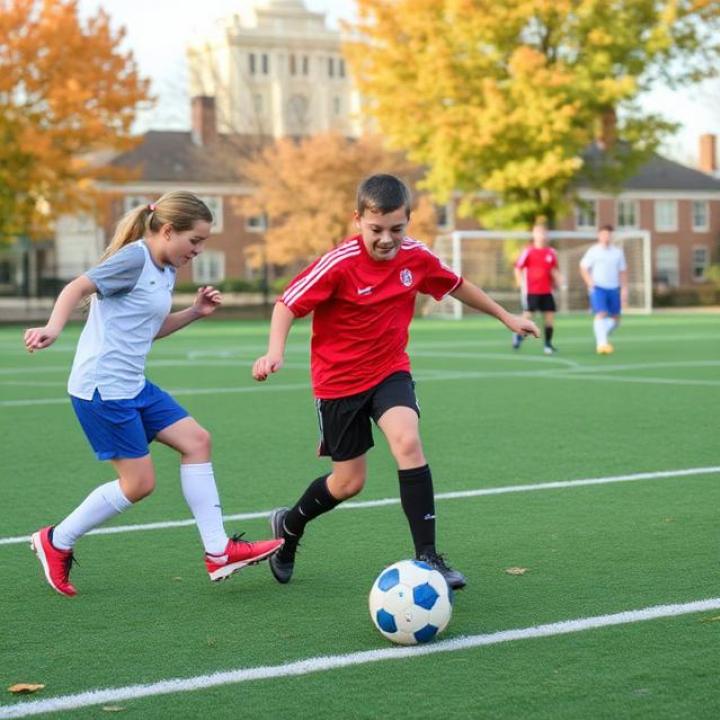
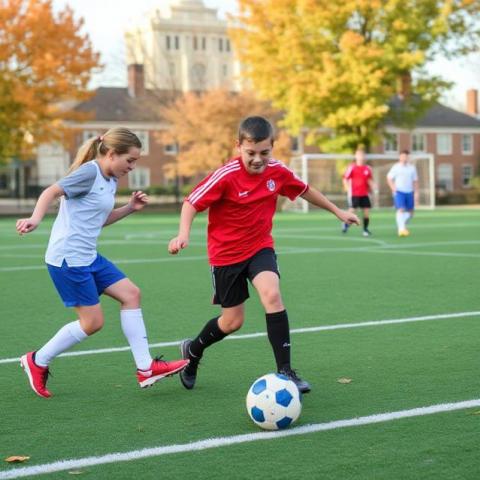
You can see confidence change in real time. A child
who was hesitant starts asking for the ball. They stop looking at their feet
every second. They take a touch and lift their head, even if only for a moment.
That shift does not come from scoring a goal out of nowhere. It comes from
repetition that works. Clean touches, small corrections, and the feeling that
the ball is finally doing what they expect it to do. Once that happens,
everything else starts to open up.
Why
Scoring Comes Later
At the beginner level, goals can be misleading. A ball
deflects, a defender misses it, and suddenly there is a goal. It feels like
progress, but it is hard to repeat because nothing underneath it has changed.
Coaches who have been around long enough know this. They hold the line on
fundamentals, even when parents are hoping to see more scoring. At S3A
Strategic Smart Soccer, the sessions reflect that patience. Players spend
more time learning how to receive and move than rushing toward the goal. It
pays off, just not instantly.
The
Role of Repetition in Skill Development
There is no shortcut here. Ball control comes from
doing the same things again and again, with small adjustments each time. A
softer touch, a better angle, a quicker reaction. It is not flashy work, and
some kids find it slow at first. Then, almost without noticing, it clicks. The
ball stays closer. Movements feel smoother. For families signing up for fall soccer classes in New
York, this is the stage where progress becomes visible. Not dramatic,
but real and consistent.
Long-Term
Impact on the Game
Once a player is comfortable controlling the ball, the
rest of the game becomes manageable. Passing improves because the ball is set
up properly. Decisions come quicker because there is time to make them. Even
scoring changes. It becomes intentional instead of accidental. You start to see
players who are not just involved, but actually thinking through what they are
doing on the field. That is when development starts to feel solid.
Conclusion
By concentrating on the aspect of the game that
provides your child control, both physically and symbolically, you may increase
the likelihood that your child will love playing soccer and continue to play
it. The goals will come at a later time, and when they do, they will have a
greater significance. To begin, put the foundation in place. Participate in a
starter session and pay close attention to what happens. Within a week, you
will be able to determine whether or not your youngster is actually constructing
something.