The way people approach health and fitness has changed permanently. What began as a pandemic-driven necessity has evolved into a life>
The Current State of the Fitness App Market
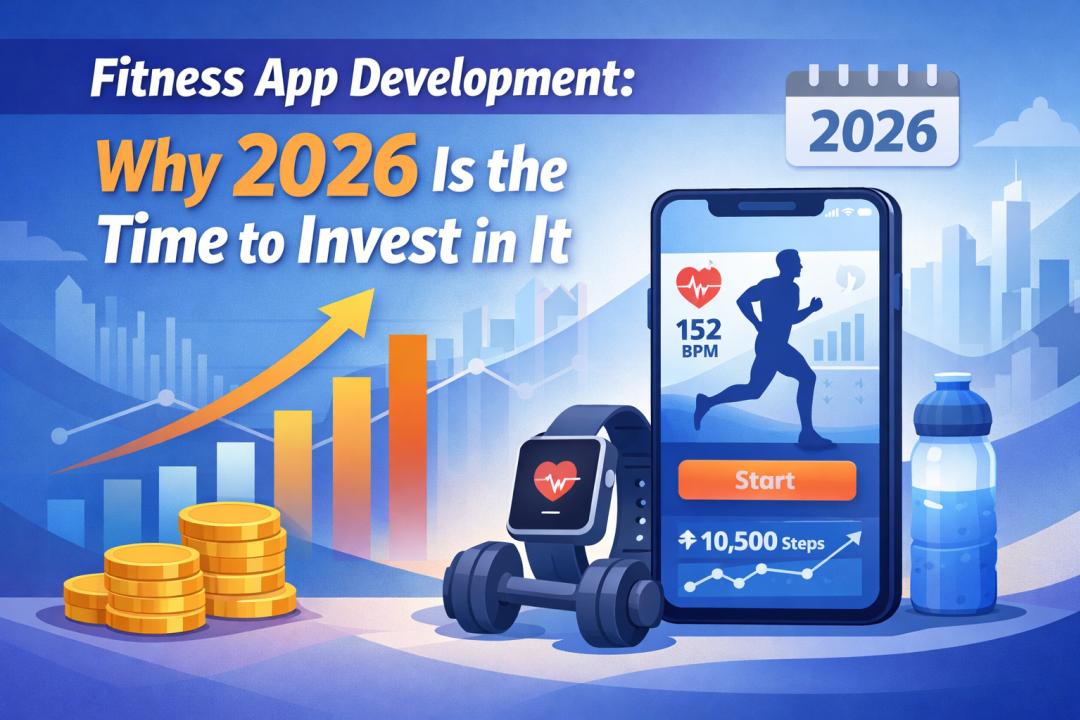
The global fitness app market is projected to surpass $30 billion in 2026, growing at a compound annual rate of over 17%. Downloads continue to climb across every major category, from strength training and yoga to mental wellness and sports recovery. What is most significant, however, is not just the size of the market but its depth. Users are no longer satisfied with basic step counters or generic workout libraries. They want personalized, intelligent, and socially connected experiences. This shift in expectation is exactly what makes today such a compelling moment to build or invest in a fitness product.
Key Drivers Pushing Growth in 2026
Several converging forces are fueling this expansion. First, health consciousness among millennials and Gen Z has reached an all-time high. These demographics do not separate physical fitness from mental wellness, and they expect apps to reflect that holistic view. Second, wearable technology has gone mainstream. Smartwatches, fitness rings, and biosensors are now owned by a significant portion of the global middle class, and users expect their apps to integrate seamlessly with these devices. Third, corporate wellness programs have moved decisively online. Employers are investing in digital health platforms as a benefit, creating a lucrative B2B channel for fitness app developers. Fourth, the line between telehealth and fitness is blurring rapidly, opening doors to medically adjacent use cases that were unthinkable five years ago.
Emerging Technologies Reshaping the Space
Technology is not just supporting fitness app growth in 2026, it is actively redefining what is possible. Artificial intelligence now powers adaptive workout plans that evolve based on a user's performance, recovery data, and goals. Computer vision allows apps to analyze exercise form in real time using just a smartphone camera, eliminating the need for expensive wearables. Augmented reality is creating immersive training environments where users can run virtual trails or attend live classes projected into their living rooms. Generative AI is being used to create dynamic coaching conversations, custom meal plans, and motivational content tailored to individual psychology. Any forward-thinking Fitness App Development Company that is building with these technologies today is positioning itself well ahead of competitors still relying on static content libraries.
Business Models That Are Winning
The most successful fitness apps in 2026 are not relying on a single revenue stream. The freemium subscription model remains effective, offering free entry and premium tiers for advanced features. However, the real growth is happening in B2B2C models, where apps are sold to employers, health insurers, and gym chains who then distribute them to their members or employees. Marketplace models, connecting certified trainers with users seeking personalized coaching, are also performing strongly. Additionally, partnerships with healthcare providers and health insurance companies are becoming a standard monetization layer, rewarding users for meeting fitness goals with reduced premiums or reimbursements.
Niche Opportunities Worth Pursuing
While major players dominate the general fitness space, enormous opportunities exist in underserved niches. The senior fitness segment is one of the fastest-growing and least crowded. Women's health, particularly apps that account for hormonal cycles in workout and nutrition recommendations, is attracting serious investment. Mental fitness apps that combine mindfulness, breathwork, and cognitive training with physical exercise are gaining strong user loyalty. Rehabilitation and physiotherapy apps are entering the mainstream as healthcare systems look for ways to reduce clinic visits. Entrepreneurs and investors who build for these specific audiences, rather than trying to compete head-on with giants, are finding faster traction and stronger retention.
Challenges to Acknowledge Honestly
No investment conversation is complete without acknowledging risk. The fitness app space is crowded, and standing out requires more than a good idea. User retention is the industry's most persistent challenge. Studies consistently show that a majority of fitness app users abandon the product within the first month. Data privacy is another serious concern. Apps that collect health and biometric data must navigate complex regulations including HIPAA in the United States and GDPR in Europe. Content accuracy and liability around health advice are also growing concerns as apps venture deeper into medical territory. These challenges are real, but they are surmountable with the right development partner and a clear product strategy.
What Investors Are Looking For
In 2026, sophisticated investors are looking beyond download numbers. They want to see strong retention metrics, meaningful daily active usage, and a clear path to monetization beyond subscriptions. They are particularly excited by apps that demonstrate genuine AI differentiation, regulatory compliance readiness, and scalability across geographies and platforms. Founders who can show cross-device compatibility, meaningful community features, and partnerships with healthcare or insurance entities are attracting the most attention. Accessing on demand app development services has made it easier than ever for startups to build fast and iterate quickly, which investors view favorably as evidence of lean, agile execution.
How to Build Successfully in 2026
The path to a successful fitness app in 2026 starts with radical niche focus. Define your user persona precisely before writing a single line of code. Validate your concept with real users before building the full product. Invest heavily in onboarding, because the first seven days determine whether a user stays or leaves forever. Build gamification and community features from the start, not as afterthoughts. Partner with certified professionals to ensure your content is credible and defensible. And plan for compliance from day one, because retrofitting privacy and data security is far more expensive than building it in correctly from the beginning.
Conclusion
The fitness app market in 2026 sits at a rare intersection of mature consumer demand, transformative technology, and expanding monetization channels. The users are there, the technology is ready, and the business models are proven. Whether you are an entrepreneur looking to build, a brand seeking to expand its digital footprint, or an investor searching for the next high-growth vertical, the case is clear. Partnering with an experienced Fitness App Development Company or leveraging on demand app development services gives you the speed and expertise to capitalize on this moment. The market is growing, the opportunity is real, and the best time to act is now.