
What's the Difference Between a Limo and an Uber or Lyft?
limo vs Uber or Lyft Chino is one of the most useful comparisons a traveler can make before booking transportation, because the two options can look similar from a distance while working very differently in real life. Both can take you from one point to another. Both can sometimes be scheduled in advance. Both can be used for airport rides, dinners, hotel pickups, and nights out. But the service model, the trip experience, and the level of predictability are not the same.
That difference matters because many customers choose based on label alone. Some assume a limo is always excessive and overpriced. Others assume Uber or Lyft is always cheaper and good enough. Neither assumption is reliably true. The better answer depends on what the trip requires. A quick local ride for one passenger is a different problem than a pre-dawn airport departure, a client pickup, a wedding transfer, or a family ride with several bags. Once the trip gets more time-sensitive or more presentation-sensitive, the comparison changes fast.
In Chino and nearby Inland Empire areas, this question comes up often because travelers use transportation for very different reasons. Some want an easy ride to Ontario International Airport. Some need a business-ready vehicle for corporate transportation. Some are deciding how to move a family without dealing with parking. Some are choosing between convenience and predictability. Others are simply trying to avoid the risk of opening a rideshare app at the wrong moment and seeing long wait times or limited options.
The most useful way to compare these services is not to ask which one is universally better. The most useful question is what each one is designed to do well. Uber and Lyft are strong for flexible, app-based, often lower-cost transportation. A limo or chauffeured service is stronger when the ride needs to be prearranged, more controlled, more consistent, or better matched to a specific occasion. The smarter booking usually comes from understanding that difference before travel day, not after something goes wrong.
limo vs Uber or Lyft Chino: short answer
Uber and Lyft are usually app-matched rideshare services that connect riders with drivers through a platform, often using personal vehicles or platform-approved vehicles. A limo service is usually prearranged chauffeur transportation booked directly for your trip, often with a more defined vehicle category, more direct coordination, and a more controlled service experience. The rideshare model is often better for casual, flexible, lower-stakes trips. The limo model is often better for airport transportation, business travel, special events, group coordination, and trips where timing or presentation matters more than paying the absolute lowest fare.
That said, the line is not perfectly simple anymore. Uber Reserve and Lyft scheduled rides mean rideshare is not purely on-demand, and premium rideshare options can look closer to chauffeur service than standard UberX or basic Lyft. But even with that overlap, the services still tend to solve different problems. The real difference is less about whether both can move a passenger, and more about how the trip is booked, how predictable it feels, and how much control the customer has over the transportation details.
What Uber and Lyft usually are in practice
Uber and Lyft are usually the transportation choice people reach for when they want speed, convenience, and app-based flexibility. The basic customer experience is simple. You open the app, request a ride, see a price estimate or upfront price, wait for a driver match, and go. For many short local trips, that system works well. It is fast, familiar, and often easier than calling a company directly for routine point-to-point travel.
What makes rideshare attractive is not luxury. It is flexibility. You do not always need to plan far ahead, and you do not need to talk to a dispatcher. That is a real advantage for ordinary daily travel. If you are going to dinner, heading home from a friend’s house, or avoiding parking for a quick local outing, Uber or Lyft may be the most practical option.
But rideshare also depends on marketplace conditions. The availability, ETA, driver assignment, and sometimes the final comfort of the ride can vary depending on time, location, airport demand, and the specific product tier you book. For a casual trip, that is often acceptable. For a trip where reliability carries more weight, that variability becomes a bigger part of the comparison.
What a limo service usually is
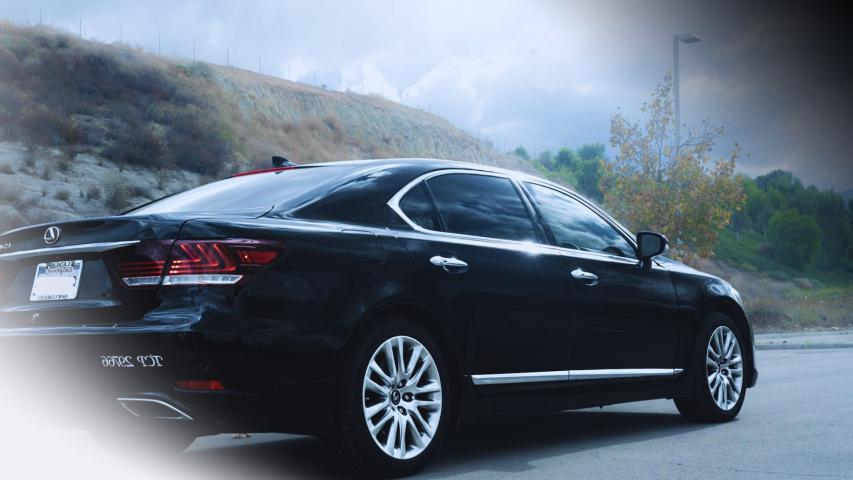
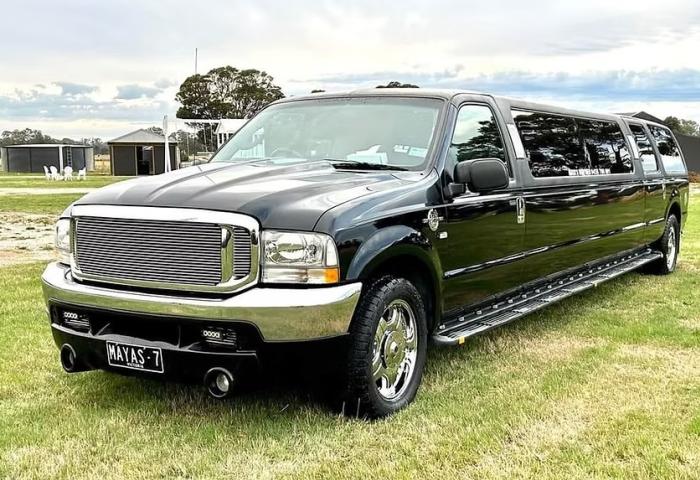
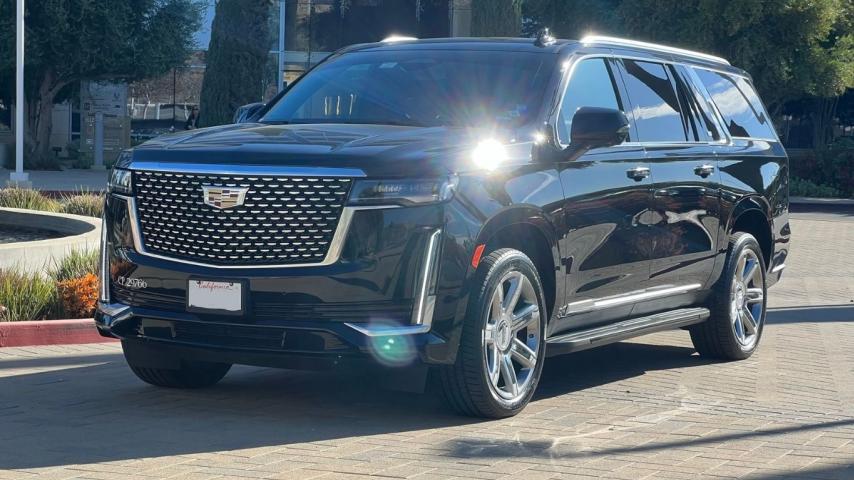
A limo service is usually not defined by stretch limousines alone, even though many customers still picture it that way. In common California transportation use, limousine service can include prearranged sedan, SUV, or more formal limousine transportation booked for the exclusive use of an individual or group. That is why many airport and corporate rides are still described as limo service even when the actual vehicle is a sedan or SUV rather than a long stretch vehicle.
What matters most is the service structure. A limo or chauffeured service is typically built around a reservation, a known trip, a specific pickup time, a defined vehicle category, and a more direct coordination process. The booking is supposed to fit your trip, not just match you to whatever driver happens to be available nearby. For customers who care about predictability, luggage planning, client-facing presentation, or controlled pickup details, that difference is important.
This is one reason people comparing premium transportation often look beyond the vehicle name and focus on the experience itself. Helpful internal resources for that broader comparison include benefits of hiring a chauffeured car service, professional chauffeur services in Chino Hills, corporate limo services in Chino, and limo service across Southern California.
The biggest practical differences between a limo and Uber or Lyft
1. Booking model
Uber and Lyft are platform-based matching services. A limo service is usually a direct prearranged reservation. That sounds minor, but it changes the entire feel of the trip. App-based matching is excellent for flexibility. Prearranged booking is stronger for planning and control.
2. Vehicle expectations
With standard rideshare, the exact vehicle can vary by product level and driver availability. With a limo service, the vehicle category is usually clearer upfront. That matters when luggage space, client presentation, or group comfort matters more than convenience alone.
3. Service tone
Uber and Lyft are usually transportation-first. A limo service is often transportation-plus-service. The difference can show up in how pickup is coordinated, how the ride is presented, and how much the company is trying to shape the experience around the trip rather than just fulfill the trip request.
4. Predictability
Rideshare can be very convenient, but it is still linked to driver availability and app conditions. A limo reservation is usually better for travelers who want more certainty around timing, vehicle type, and direct coordination. That does not make a limo infallible. It means the service model is built for prearranged reliability instead of instant matching.
5. Pricing logic
Uber and Lyft often win on price for simple trips, especially short local rides. A limo usually costs more. But a limo quote is also often easier to evaluate as a defined transportation product rather than a ride request influenced by changing demand or product tiers. The better value depends on the trip, not just the sticker price.
6. Airport usefulness
Both can work for airports. But rideshare and chauffeur service often feel different at airports because pickup instructions, waiting logic, and flight coordination matter more there than on ordinary local rides. Airport transportation is one of the clearest situations where a prearranged service can feel more useful than a casual ride request.
7. Business and event fit
For business travel, client pickup, weddings, formal dinners, and event transportation, a limo service often aligns more naturally with the tone of the trip. Uber or Lyft can still be perfectly adequate for some of these uses, but the more the ride is tied to presentation or predictability, the more the limo model tends to make sense.
8. Who the trip is designed around
Rideshare is designed for flexible platform efficiency across many riders and drivers. A limo service is usually designed more specifically around your reservation. That difference can feel small for a ten-minute local ride and much larger for a 4:30 a.m. airport departure with three passengers and several bags.
9. What happens when the trip is high stakes
The higher the consequences of delay or confusion, the more people tend to value direct planning. That is why airport runs, executive pickups, formal events, and family departures often push customers toward a reserved chauffeur service rather than a purely app-based ride.
When Uber or Lyft is usually the better choice
A balanced guide should say this clearly. Uber or Lyft is often the better choice for everyday, low-stakes, flexible trips. If you need a quick local ride, you are traveling solo, the route is simple, and price matters more than presentation or coordination, rideshare is hard to beat. For those situations, using an app can be faster and more economical than booking a dedicated transportation company.
Rideshare may also be a better fit when your schedule is fluid. If you do not know exactly when you are leaving dinner, when a meeting will end, or when you want to head home from a casual outing, opening an app when you are ready can be more practical than prearranging a vehicle window in advance.
There is also a psychological benefit. Many people are already used to rideshare. They know the interface, they know roughly what to expect, and they do not want to overthink transportation for an ordinary trip. That familiarity matters. Convenience is not a minor benefit. For many daily-use scenarios, it is the main reason rideshare exists.
So yes, Uber or Lyft often wins when the trip is short, the budget is tighter, the stakes are lower, and flexibility matters more than controlled service.
When a limo is usually the better choice
A limo or chauffeured service tends to win when the transportation needs to feel more deliberate. Airport trips are one of the clearest examples. If your ride starts before dawn, involves luggage, includes family members, or cannot tolerate much uncertainty, a prearranged chauffeur service often feels more appropriate than hoping the app conditions line up at the right time.
Business transportation is another strong use case. If you are picking up a client, moving an executive, or trying to keep a travel day polished and predictable, the presentation and coordination of a limo service often fit the job better. The vehicle is not necessarily more extravagant. It is simply better matched to a higher-control environment.
Special events are an even clearer example. Weddings, anniversaries, milestone dinners, prom nights, and formal evenings out are often about more than just getting there. The transportation is part of the experience. That is one of the classic reasons people choose a limo service over rideshare.
A limo can also make more sense for family airport transportation, group movement, or occasions where you want one clear vehicle plan rather than multiple app decisions. The more pieces there are to manage, the more a planned service can reduce friction.
What about scheduled rides and airport pickups?
This is where the comparison needs nuance. A lot of people still think the main difference is that a limo can be scheduled and Uber or Lyft cannot. That is no longer true in simple terms. Uber Reserve and Lyft scheduled rides both allow riders to plan ahead, which means rideshare is not purely on-demand anymore.
But scheduled rideshare is still not the same as chauffeur service. It narrows the gap, but it does not erase it. With rideshare scheduling, you are still working through a platform system designed around app-based fulfillment. With a limo service, the trip is usually built around a direct reservation and a more defined service structure from the start.
That difference becomes more important at airports. Airport transportation is not just about the drive. It is about pickup timing, terminal logic, flight changes, luggage, wait time, and clear communication. Both rideshare and limo service can handle airport rides. The more important question is how much direct control and predictability you want built into that process.
If your airport ride is casual and low-risk, scheduled rideshare may be enough. If the trip matters more, or if you want the vehicle and trip coordination to feel less marketplace-dependent, a limo service may still be the stronger fit.
What about Uber Black?
This is an important exception because it narrows some of the usual gap. Standard Uber and Lyft comparisons often focus on everyday rideshare tiers. But Uber Black is not positioned the same way as basic rideshare. Uber says Uber Black matches riders with top-rated drivers in luxury vehicles for a higher price, and its driver requirements include professional drivers, commercial auto insurance, and required local permits.
That means if someone is comparing a limo service with Uber Black rather than with a standard rideshare tier, the conversation becomes more nuanced. The difference may be less about basic service quality and more about whether you want a direct chauffeur-company relationship, a specific vehicle >
In short, premium rideshare reduces the gap, but it does not eliminate the difference in service model.
Quick comparison table
| Category | Uber or Lyft | Limo service |
|---|---|---|
| Main strength | Fast, flexible, app-based transportation | Prearranged, more controlled transportation |
| Best for | Casual local trips, quick rides, budget-sensitive travel | Airport transfers, business travel, events, higher-stakes rides |
| Vehicle expectation | Varies by product and driver availability | Usually clearer at booking |
| Scheduling | Available through Reserve or scheduled rides in many cases | Core part of the service model |
| Price pattern | Often lower for simple trips | Usually higher, but more intentional service |
| Business and event fit | Adequate to strong, depending on tier | Usually stronger for presentation and coordination |
A practical Chino angle
For Chino travelers, the best way to think about this comparison is by trip type. If you are taking a short, ordinary local ride and do not care much about vehicle category or trip presentation, Uber or Lyft may be exactly what you need. If you are going to ONT, LAX, a hotel, a conference, a corporate meeting, or a formal event, the comparison becomes more serious because the ride itself starts carrying more consequence.
That is especially true for airport transportation. A local traveler may be perfectly fine using rideshare to get across town but still prefer a prearranged vehicle for a very early departure, a late-night return, or a family trip with multiple bags. The more the ride needs to feel controlled rather than improvised, the more a limo or chauffeur service starts to make sense.
Customers often compare local providers across public profiles before booking. That can include checking how a company presents itself on Yelp, Facebook, Pinterest, and Google Maps to see whether contact details, service tone, and local presence are consistent.
For many Chino-area riders, the smartest move is not to treat one option as universally superior. It is to use rideshare when the trip is simple and use a limo service when the trip deserves more structure.
Takeaway
limo vs Uber or Lyft Chino is really a question of service model, not just transportation category. Uber and Lyft are usually better for flexible, ordinary, app-based trips where convenience and price matter most. A limo service is usually better when the trip is preplanned, time-sensitive, presentation-sensitive, or simply important enough that you want more control around the ride.
The key is not to overbuy and not to underplan. If you only need a quick local ride, rideshare may be the smarter answer. If you need airport transportation, business travel support, formal event transportation, or a ride that should feel more reliable and tailored, a limo service may be the better investment. For readers comparing local chauffeur options, Chino Limo Service is one example of the type of provider people review when they want a more structured alternative to standard rideshare in this area.
Frequently Asked Questions
Is a limo always more expensive than Uber or Lyft?
Usually yes for simple local trips, but the comparison depends on vehicle type, trip timing, airport logistics, and whether you are comparing basic rideshare or premium rideshare. The better question is whether the additional control and service matter for your trip.
Can I schedule Uber or Lyft the way I schedule a limo?
You can schedule rides with Uber Reserve and Lyft scheduled rides in many situations, but the service model still differs from a traditional prearranged chauffeur reservation. Scheduling narrows the gap, but it does not make the two services identical.
Which is better for airport transportation?
Either can work, but a limo service often fits airport travel better when timing, luggage, family coordination, or presentation matters more. Rideshare may still be perfectly fine for lower-stakes airport trips.
What if I want something closer to a limo but still through Uber?
Uber Black is the clearest example of a rideshare option that narrows the gap. It uses luxury vehicles and professional-driver standards that are closer to chauffeur service than basic rideshare tiers are.
What should I compare before choosing?
Compare trip importance, passenger count, luggage, airport complexity, departure time, business or event tone, and how much predictability you want. Those factors matter more than the app or vehicle label by itself.